Botanical field guide
Ampelopsis glandulosa
Porcelainberry
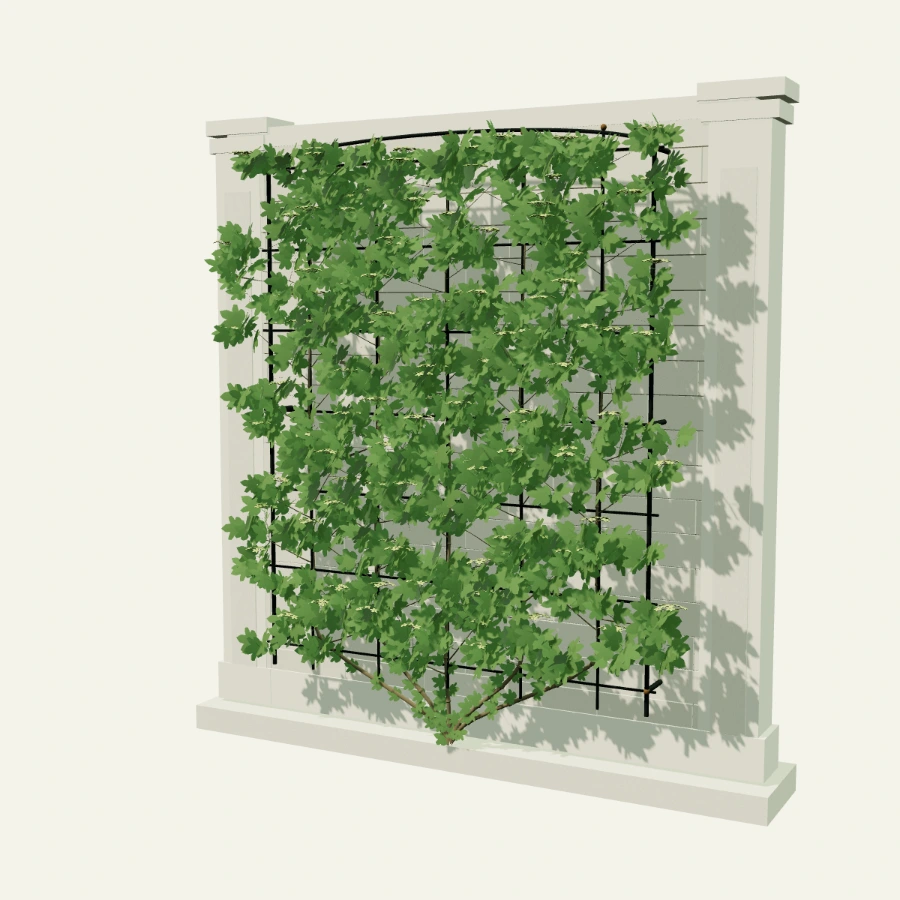
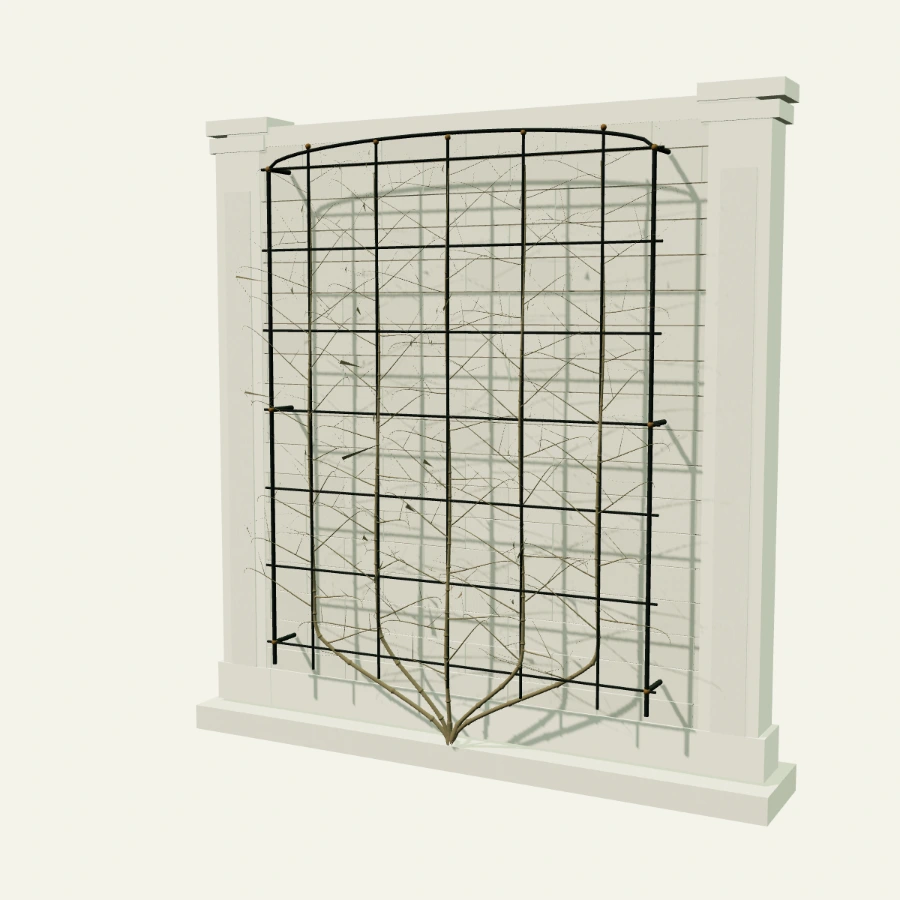
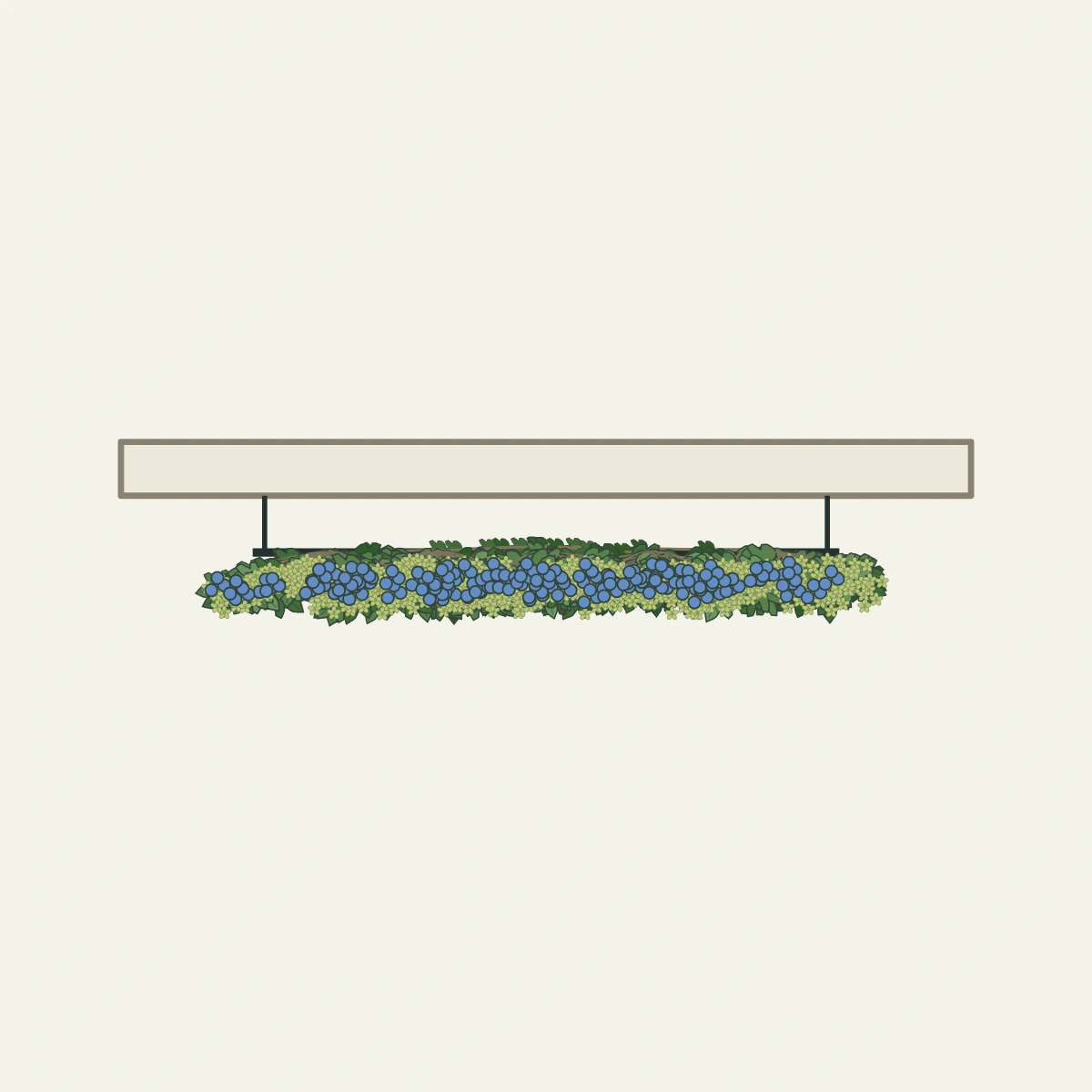
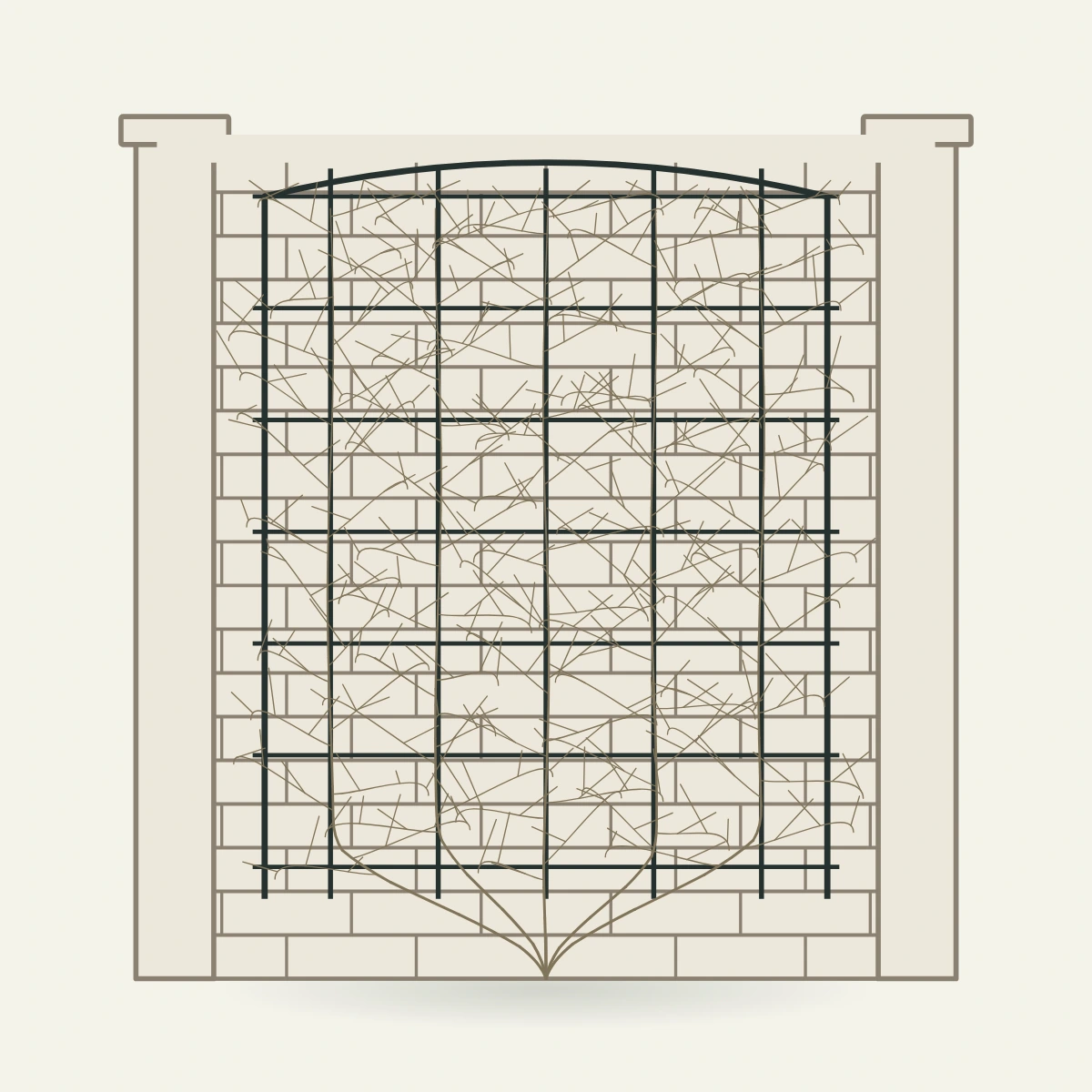
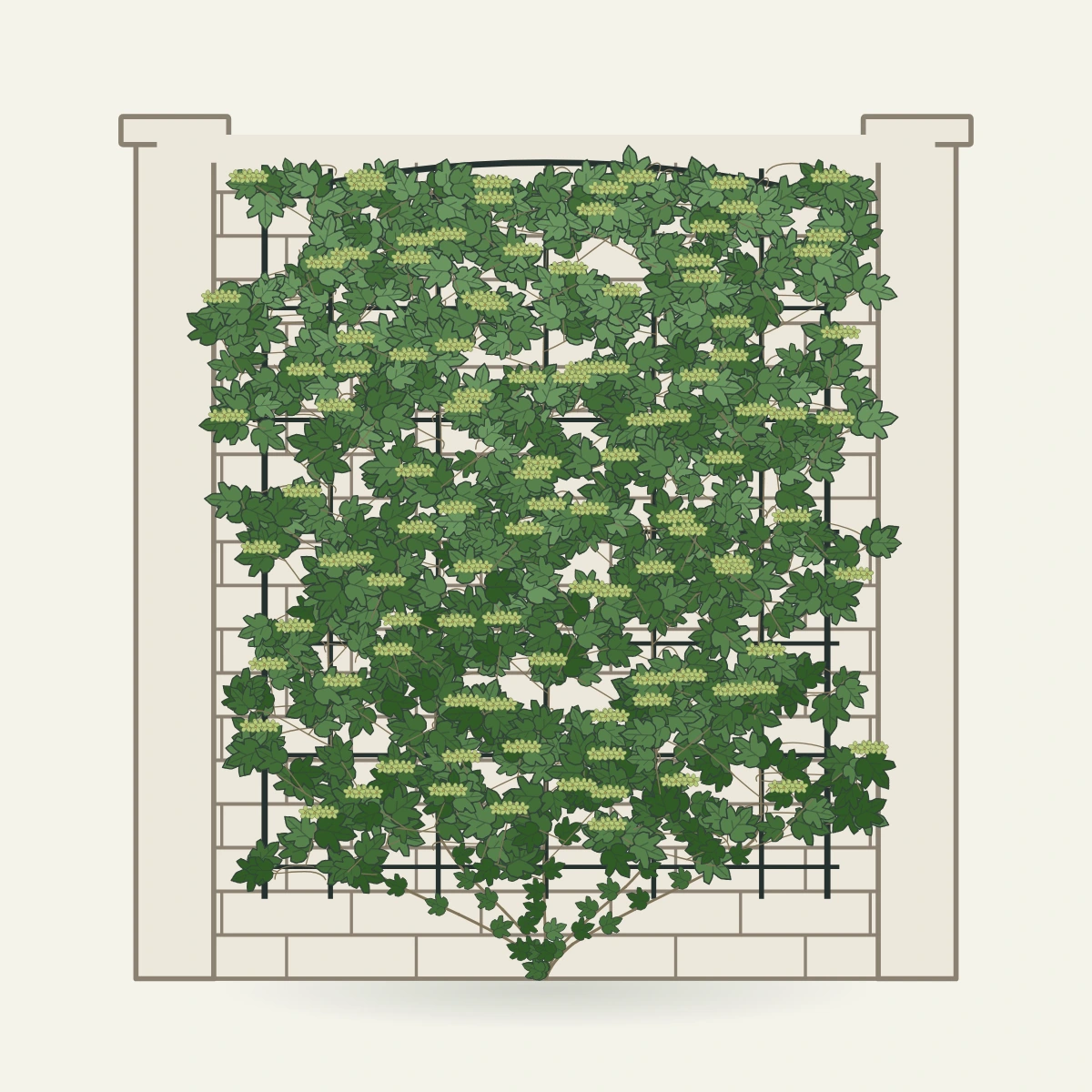
Climber / Vitaceae
The plant, in detail
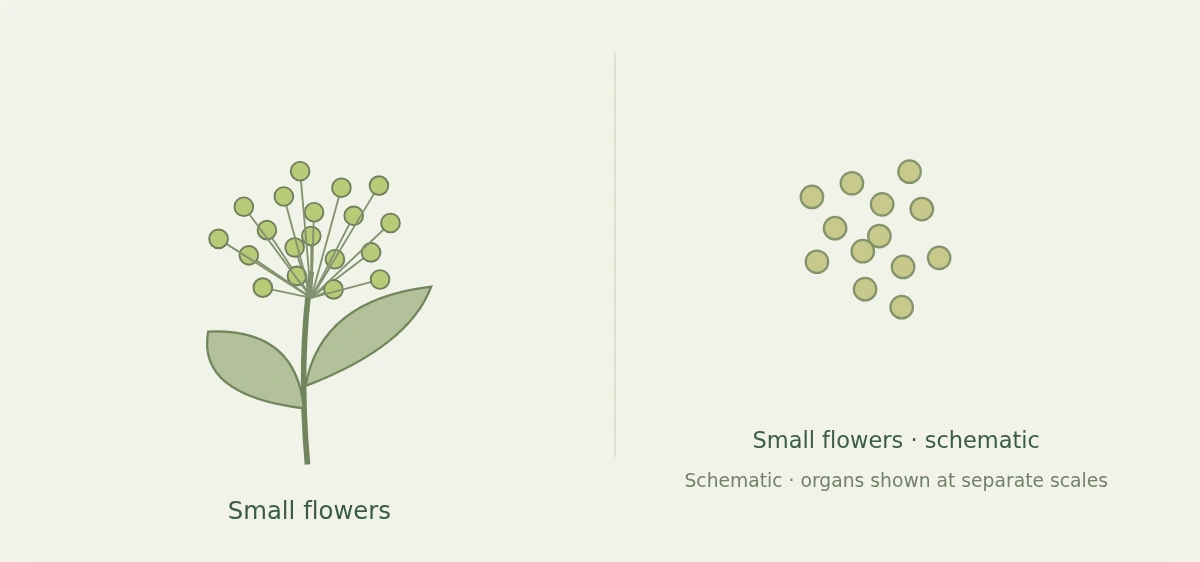
Alternate, heart-based blades vary from unlobed to three- or five-lobed, with sharp marginal teeth and five basal veins. Small greenish flowers form branched clusters. Berries change through pale, pink, blue and lilac states; the cited 5–8 mm is whole-fruit diameter.
- Reference height
- Not documented
- Foliage habit
- Deciduous
- USDA zones
- Not documented
- Light
- Not documented
Species-level size and USDA bounds are not established by the selected references; variety-specific recommendations are not transferred to the whole species.
Crown
Slender stems climb with branched tendrils and spread over a support; this plant does not form a self-supporting tree crown.
Branching
Alternate, heart-based blades vary from unlobed to three- or five-lobed, with sharp marginal teeth and five basal veins.
Bark
Young branchlets have longitudinal ridges; mature climbing stems become woody.
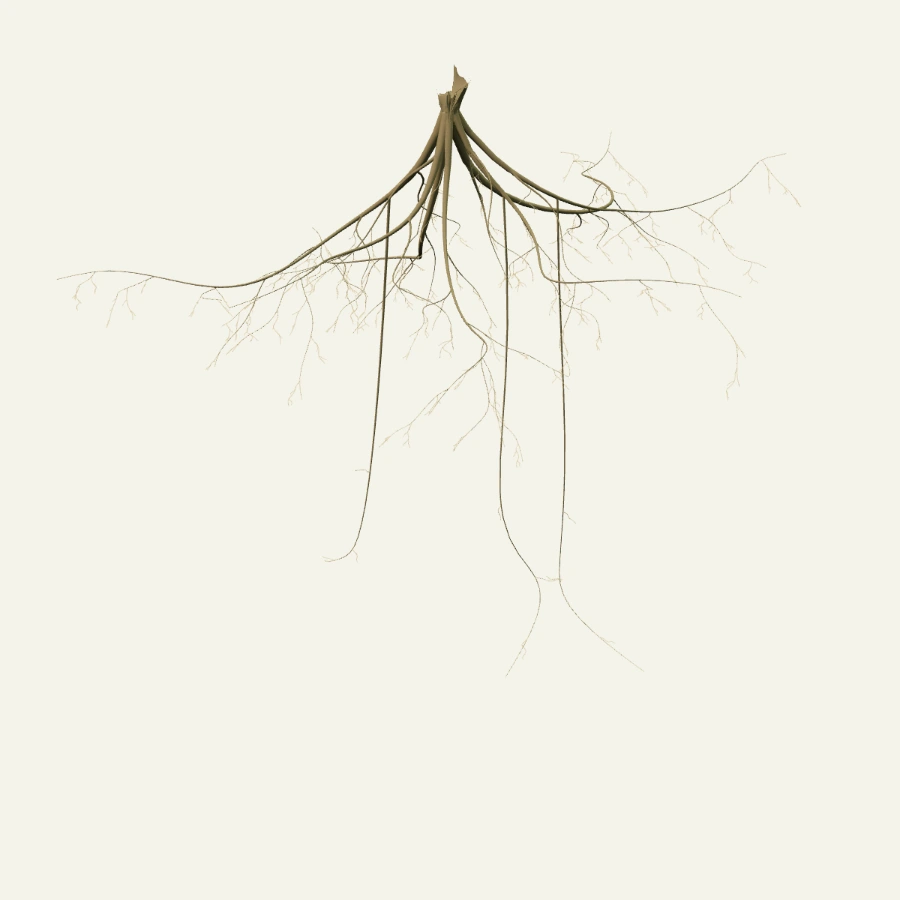
Roots
Illustrative lateral roots with descending axes. Soil depth, drainage and competition determine the actual root system.
02 / Seasons
Through the seasons
Four portraits. One plant.
Read the crown, foliage and reproductive structures together. The four views compare seasonal appearances; the reference notes explain what is actually documented.
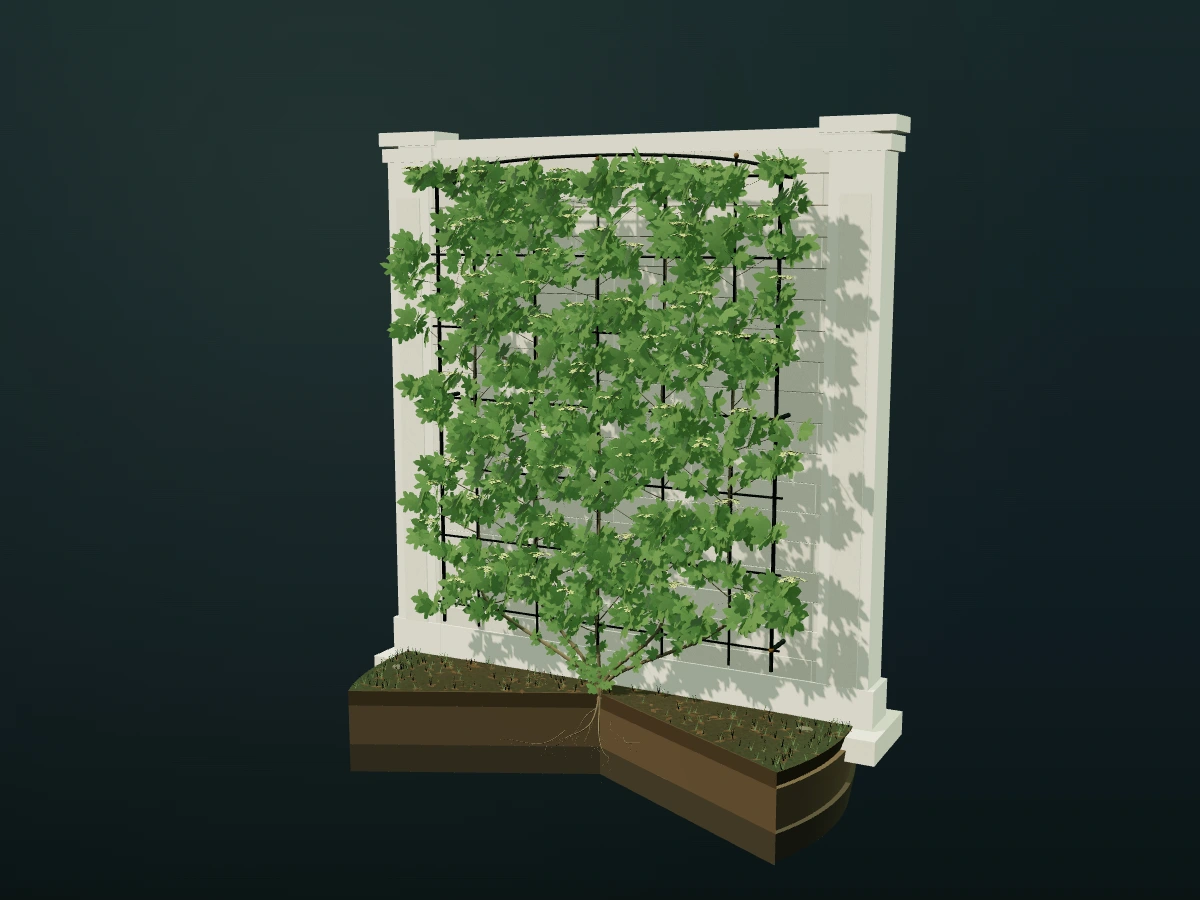
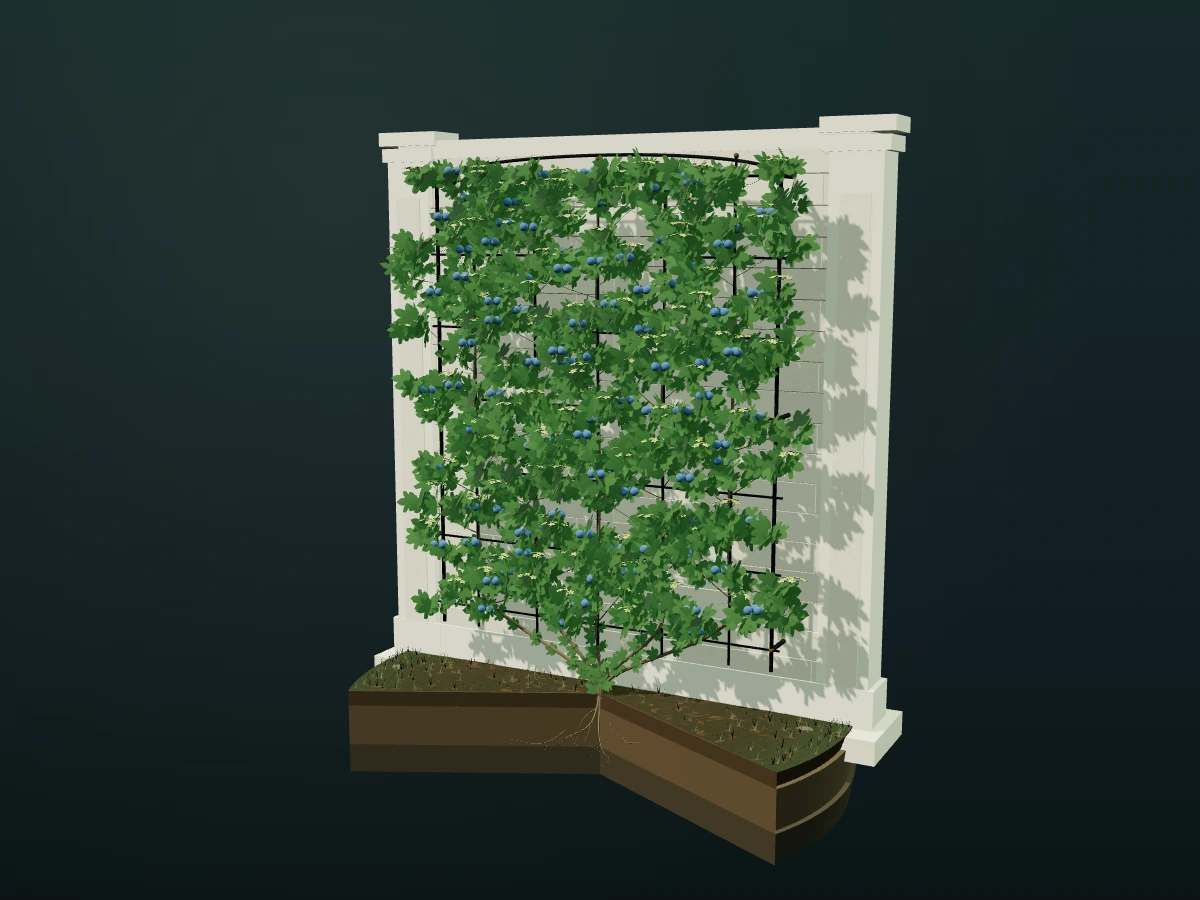
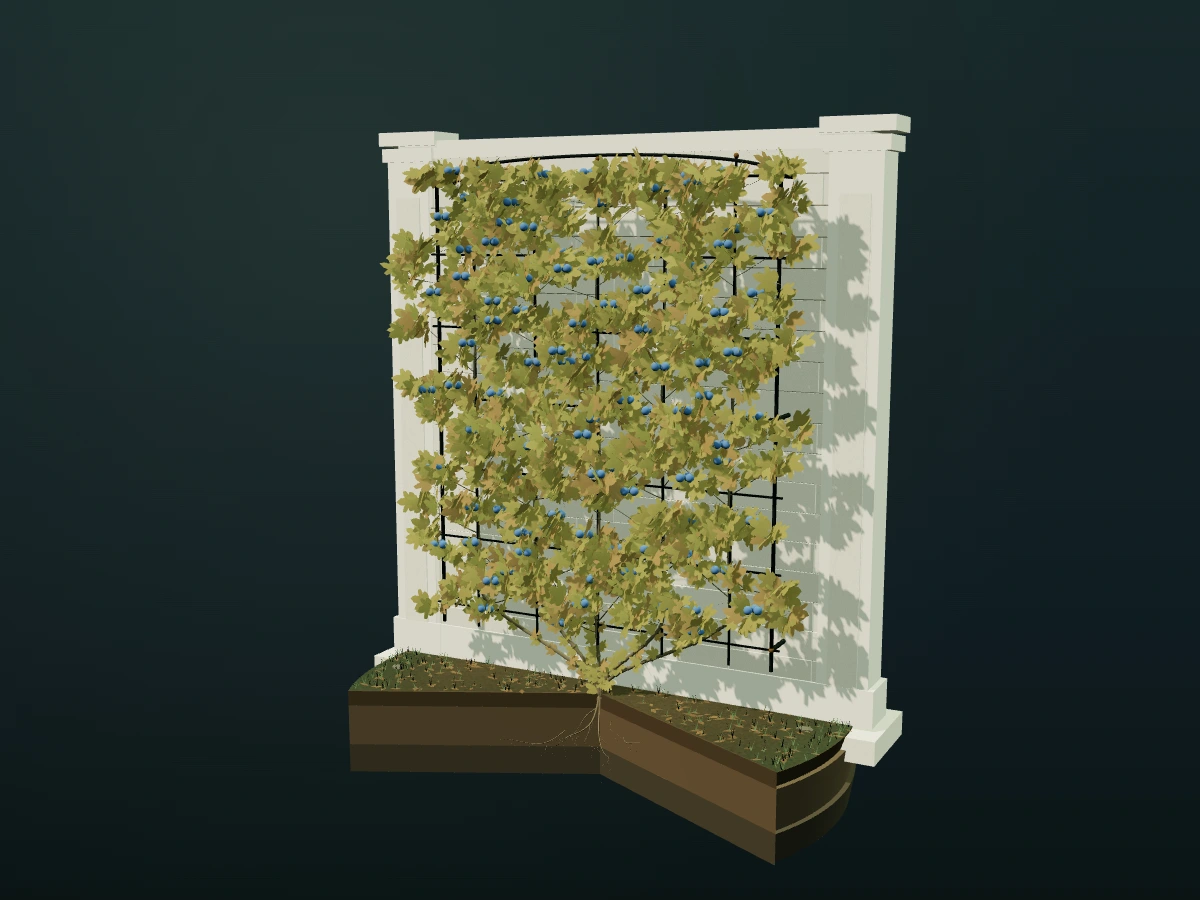

Seasonal illustration; the same plant, age and camera across four views.
Seasonal record
Regional observations from the source; no fixed calendar forecast
Leaf renewal
The record describes a deciduous plant: foliage is renewed after a leafless or reduced-leaf phase. The named views illustrate that cycle without fixing its dates at a planting site.
Reading these views
Season names organize these four views, not a universal calendar. Hemisphere, local climate, cultivar and management can change timing; months are shown only when explicitly recorded.
The views emphasize crown structure. Buds, small flowers, individual retained leaves and fine reproductive changes may be unresolved; model age and fruit count are not production forecasts.
No separate on-tree fruit display is configured for this record.
Seasonal references
- Flora of China · Ampelopsis glandulosa ↗efloras.org
- Flora of North America · Ampelopsis glandulosa ↗www.efloras.org
03 / Leaves & flowers
A closer look at the organs
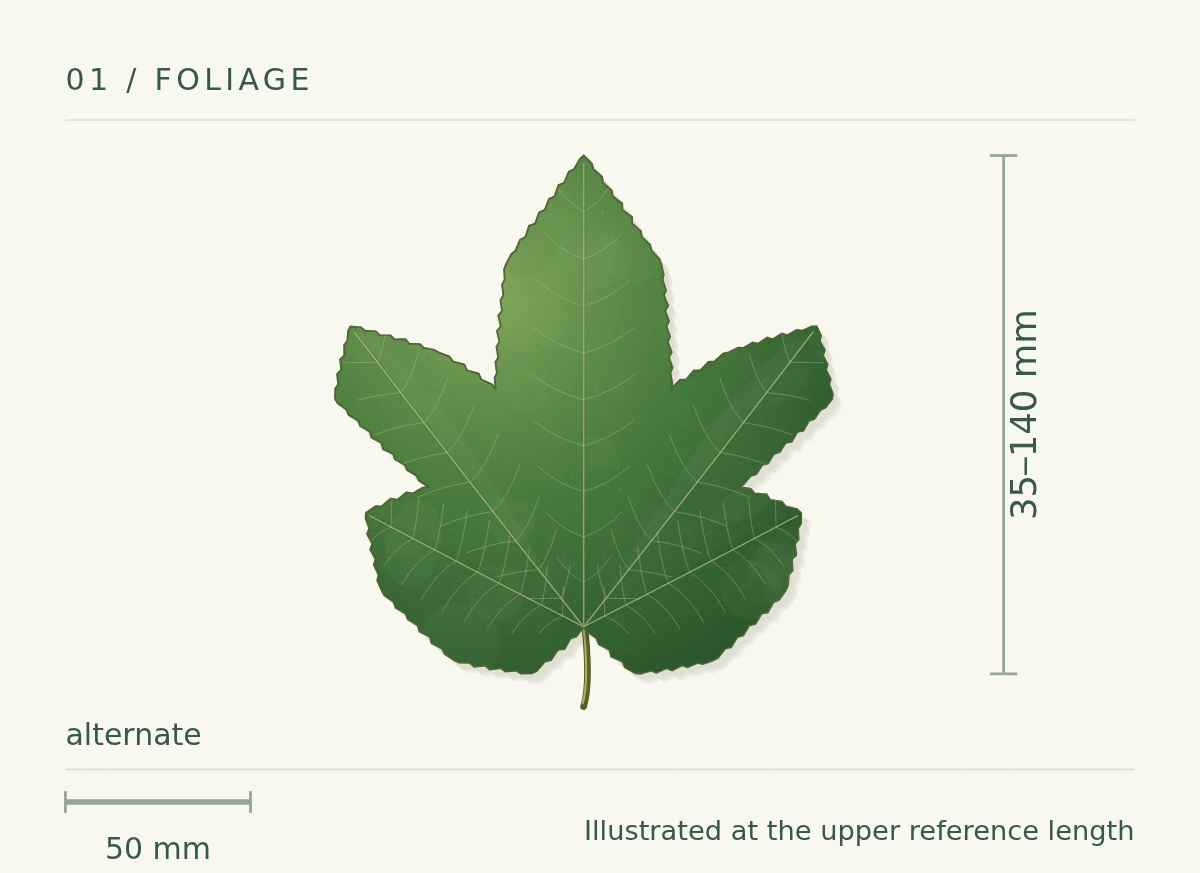
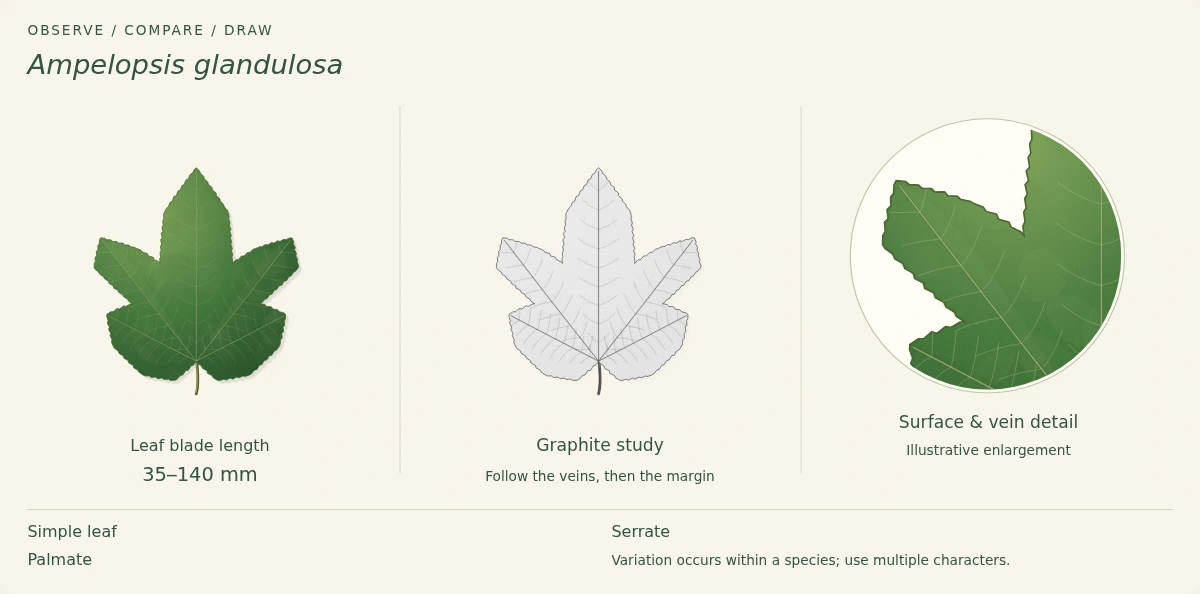
Leaves
- Leaf blade length
- 35–140 mmSource notes
Alternate, heart-based blades vary from unlobed to three- or five-lobed, with sharp marginal teeth and five basal veins.
Simple leaf · Serrate · Palmate · alternate
Seasonal notes
Autumn colour varies with genotype, light and weather. These colours illustrate reported possibilities, not a dated forecast.
- Flowering reference
- Spring · Summer
04 / Fruit & seed
Named structures, separate scales
Fruit / dispersal unit
- Berry diameter · whole fruit
- 5–8 mmSource notes
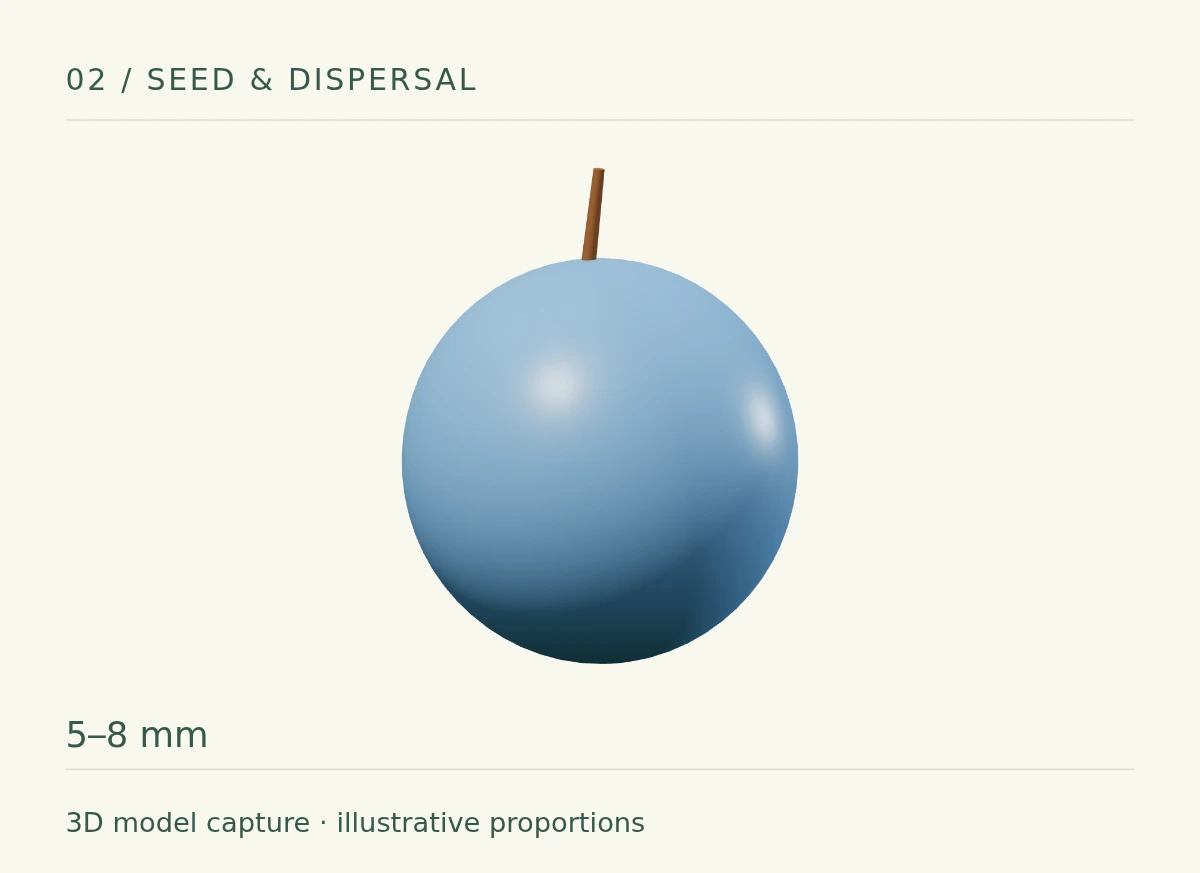
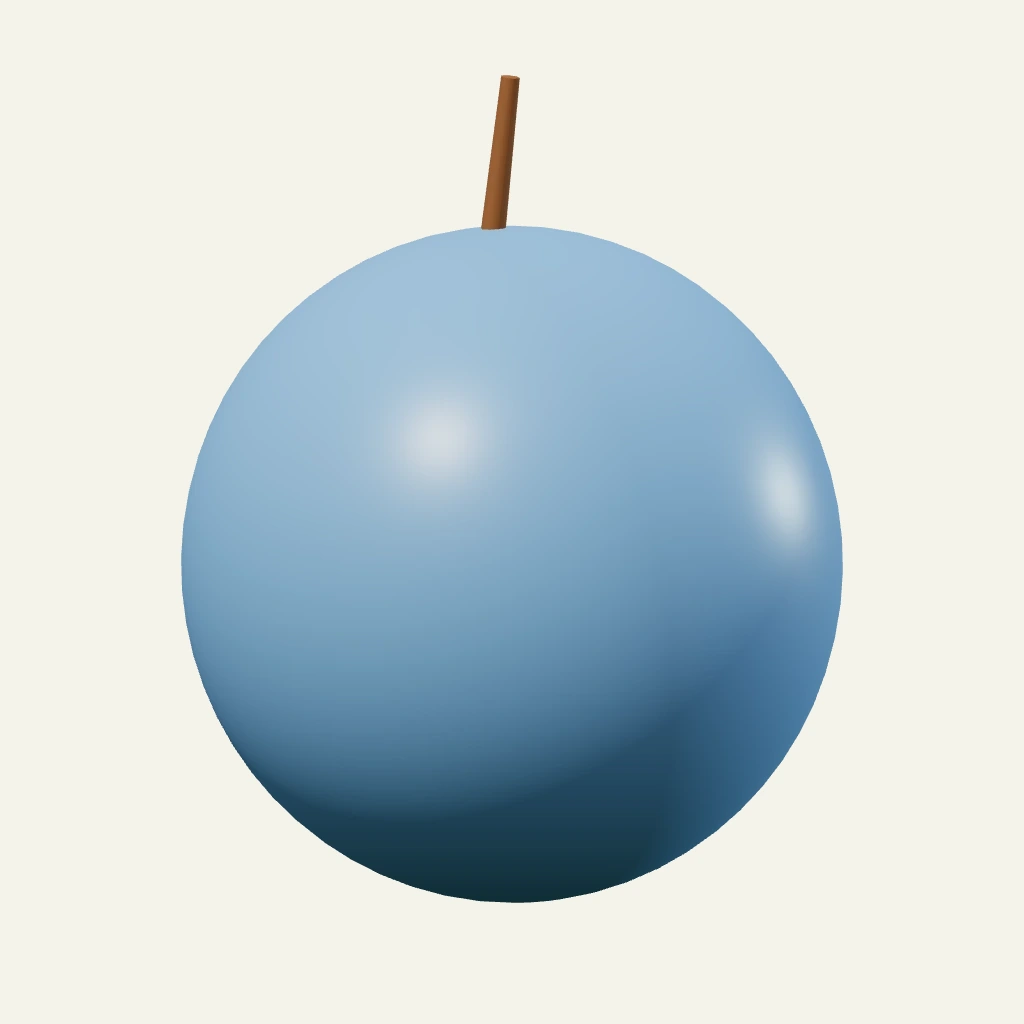
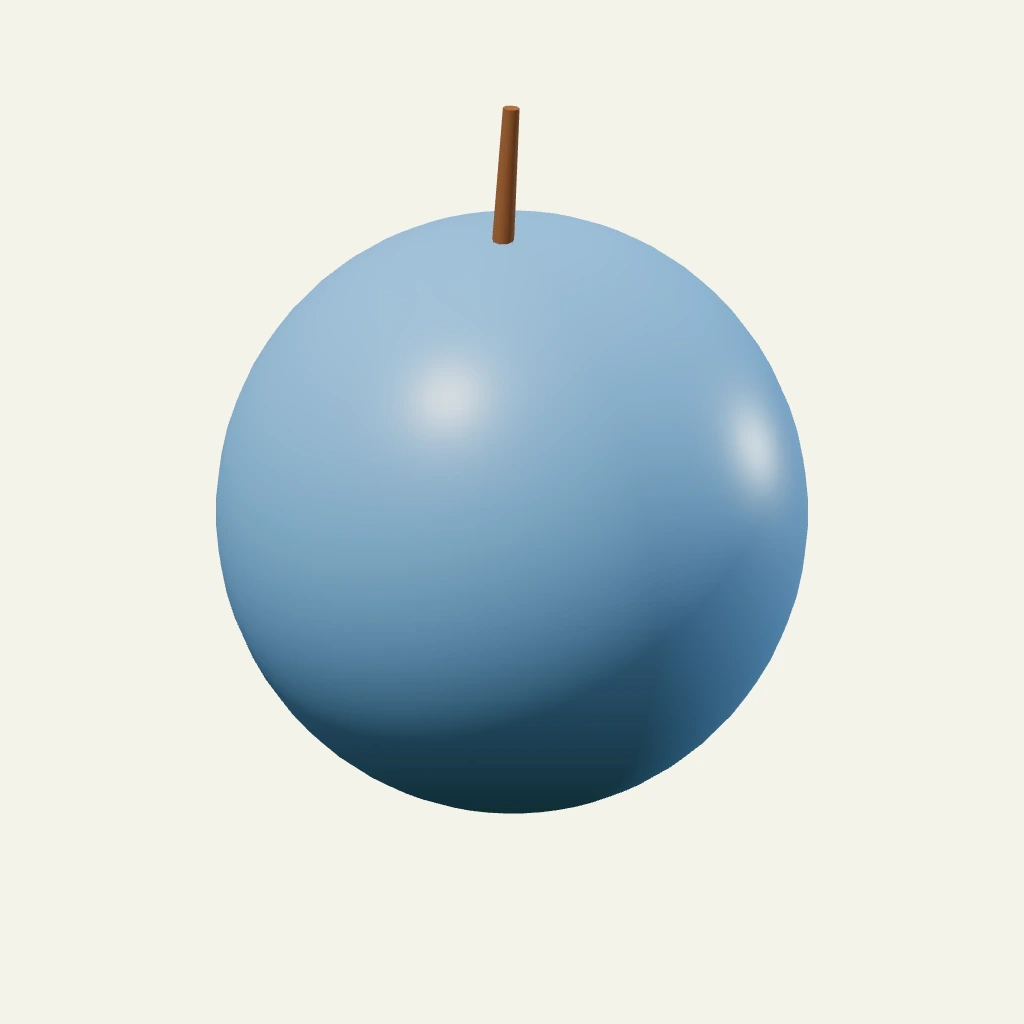
Small greenish flowers form branched clusters. Berries change through pale, pink, blue and lilac states; the cited 5–8 mm is whole-fruit diameter.
- Fruiting reference
- Summer · Autumn
Organs are enlarged independently. Refer to the named measurement, not image size.
05 / Habitat
Native range & growing context
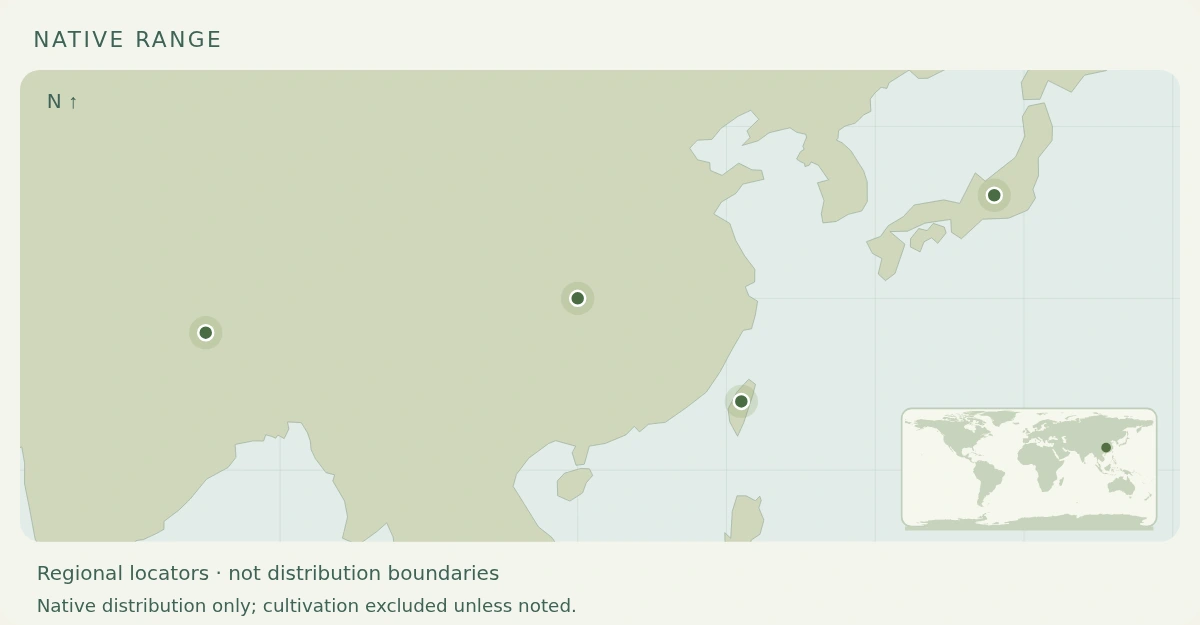
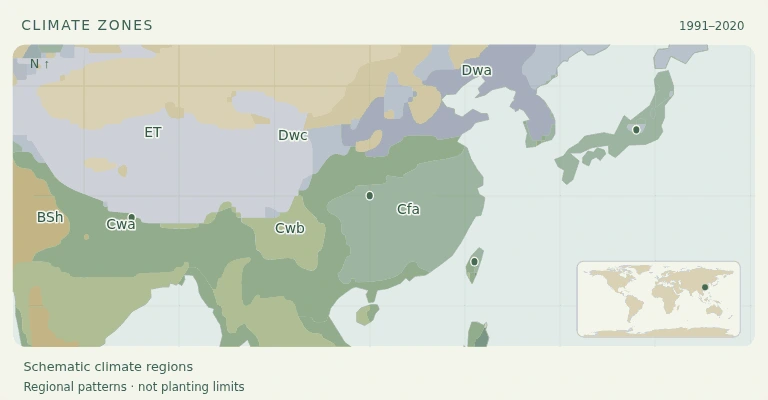
Native range & growing context
Eastern and southern Asia, including China, the Himalaya, Japan, Taiwan and parts of Southeast Asia.
- Reference spread
- Not documented
- Moisture
- Not documented
- Growth tendency
- Growth rate is not quantified in the selected references.
- Life span
- No numerical lifespan is assigned. Model years control the illustration, not a survival forecast.
Regional context, not a measured occurrence or suitability map.
06 / Sources & interpretation
Read the evidence behind the illustration
Names & classification
- Family
- Vitaceae
- Genus
- Ampelopsis
- Synonyms
- Vitis glandulosa
- Slender stems climb with branched tendrils and spread over a support; this plant does not form a self-supporting tree crown.
- Alternate, heart-based blades vary from unlobed to three- or five-lobed, with sharp marginal teeth and five basal veins.
- Small greenish flowers form branched clusters. Berries change through pale, pink, blue and lilac states; the cited 5–8 mm is whole-fruit diameter.
- The accepted spelling is Ampelopsis glandulosa. Naturalised plants can spread aggressively outside their native range; the species includes several variable varieties.
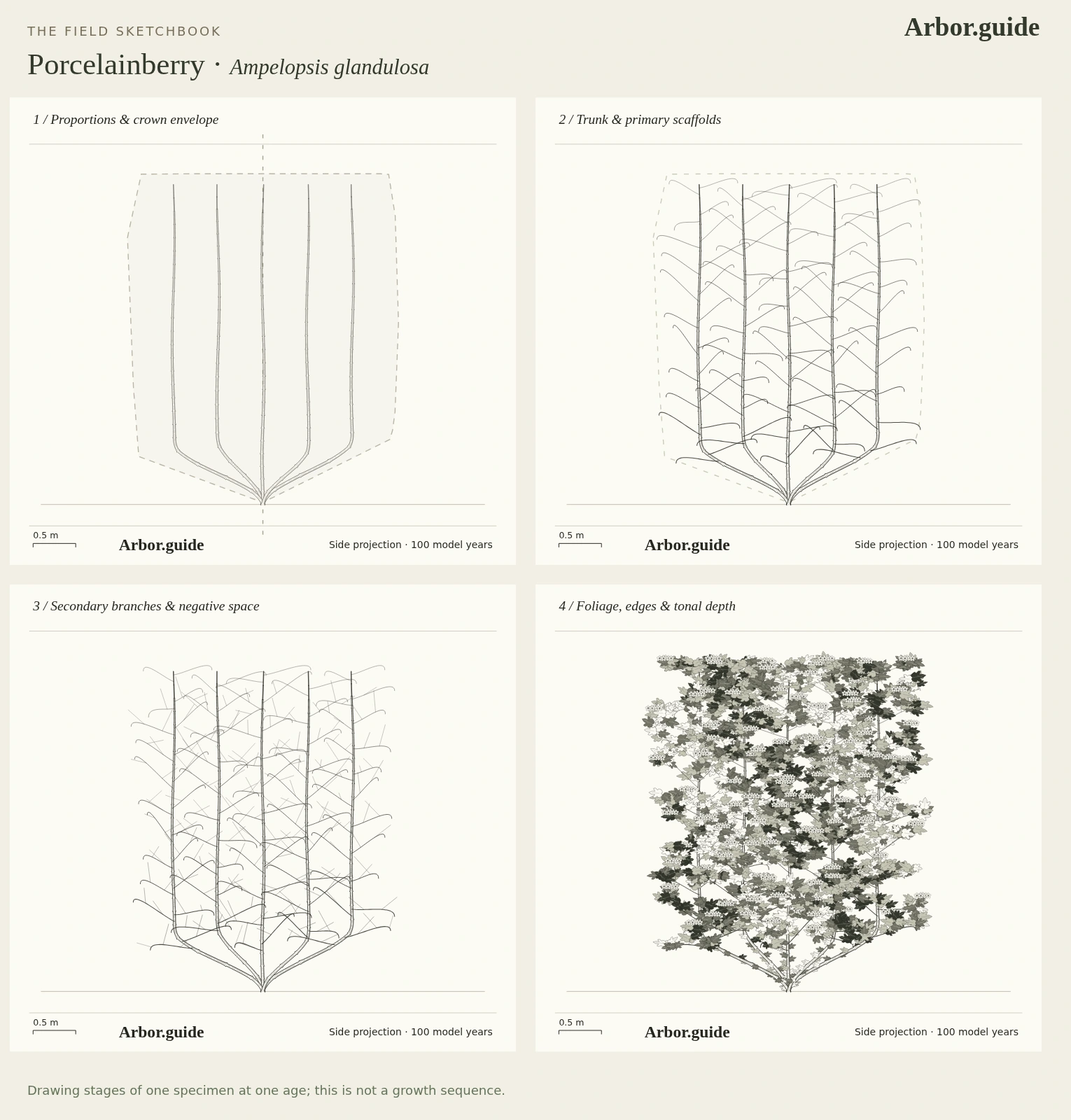
Source-informed illustration. Branches, roots, growth ages and colour proportions are schematic; individual trees vary with site and provenance.
Source-informed illustration. Branches, roots, growth ages and colour proportions are schematic; individual trees vary with site and provenance.
- Flora of China · Ampelopsis glandulosa ↗efloras.org
- Flora of North America · Ampelopsis glandulosa ↗www.efloras.org
- Kew POWO · Ampelopsis glandulosa ↗powo.science.kew.org
Plant data and references · 6
| Heightm | [null, null]Species-level size and USDA bounds are not established by the selected references; variety-specific recommendations are not transferred to the whole species.efloras.org |
|---|---|
| Spreadm | [null, null]Species-level size and USDA bounds are not established by the selected references; variety-specific recommendations are not transferred to the whole species.efloras.org |
| Nativerange | Eastern and southern Asia, including China, the Himalaya, Japan, Taiwan and parts of Southeast Asia.Named organ and taxonomic scope are retained; unknown bounds stay null.efloras.org |
| Hardinesscategory | {"system": "USDA", "zones": [null, null], "zoneLabels": [null, null], "source": "foc", "basis": "undefined"}Named organ and taxonomic scope are retained; unknown bounds stay null.efloras.org |
| Atlas botany organs leaf lengthmm | [35, 140]Named organ and taxonomic scope are retained; unknown bounds stay null.efloras.org |
| Atlas botany organs seed lengthmm | [5, 8]Named organ and taxonomic scope are retained; unknown bounds stay null.efloras.org |