Botanical field guide
Lonicera japonica
Japanese honeysuckle
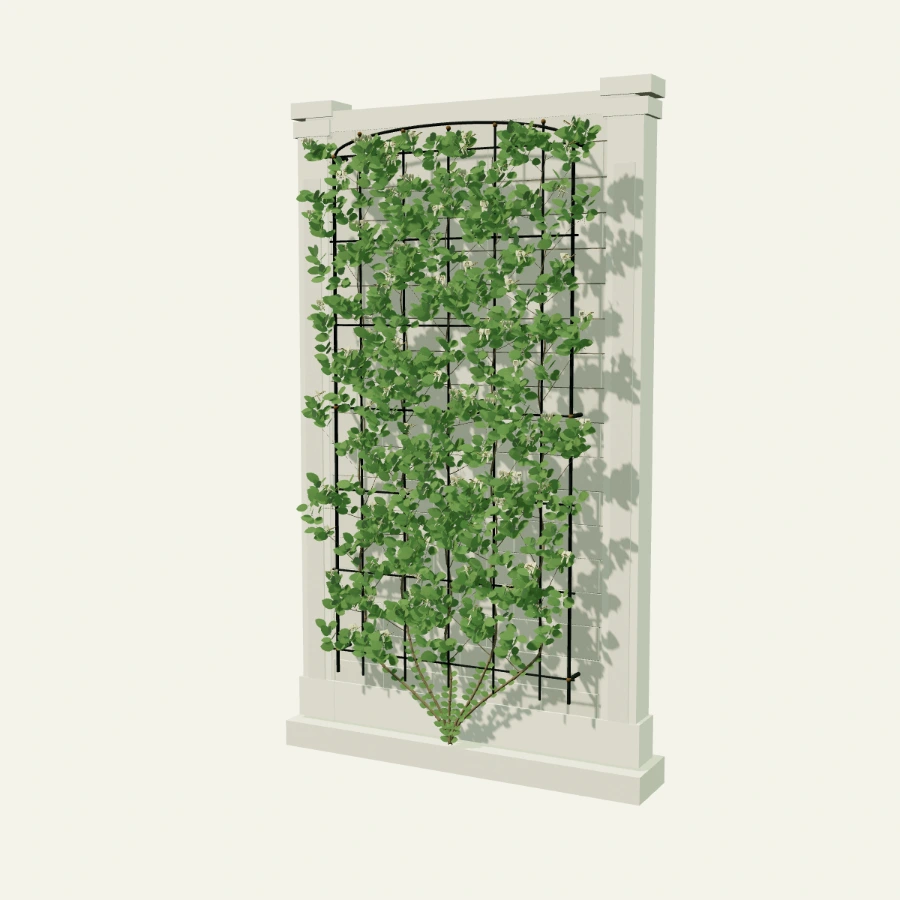
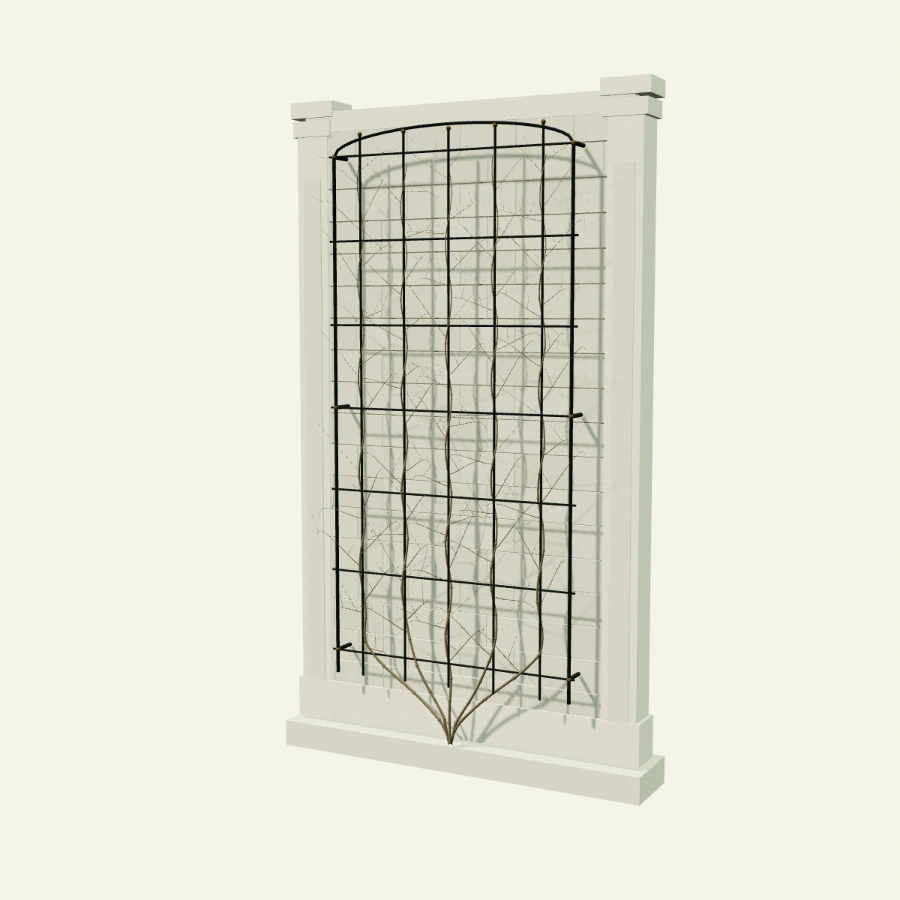
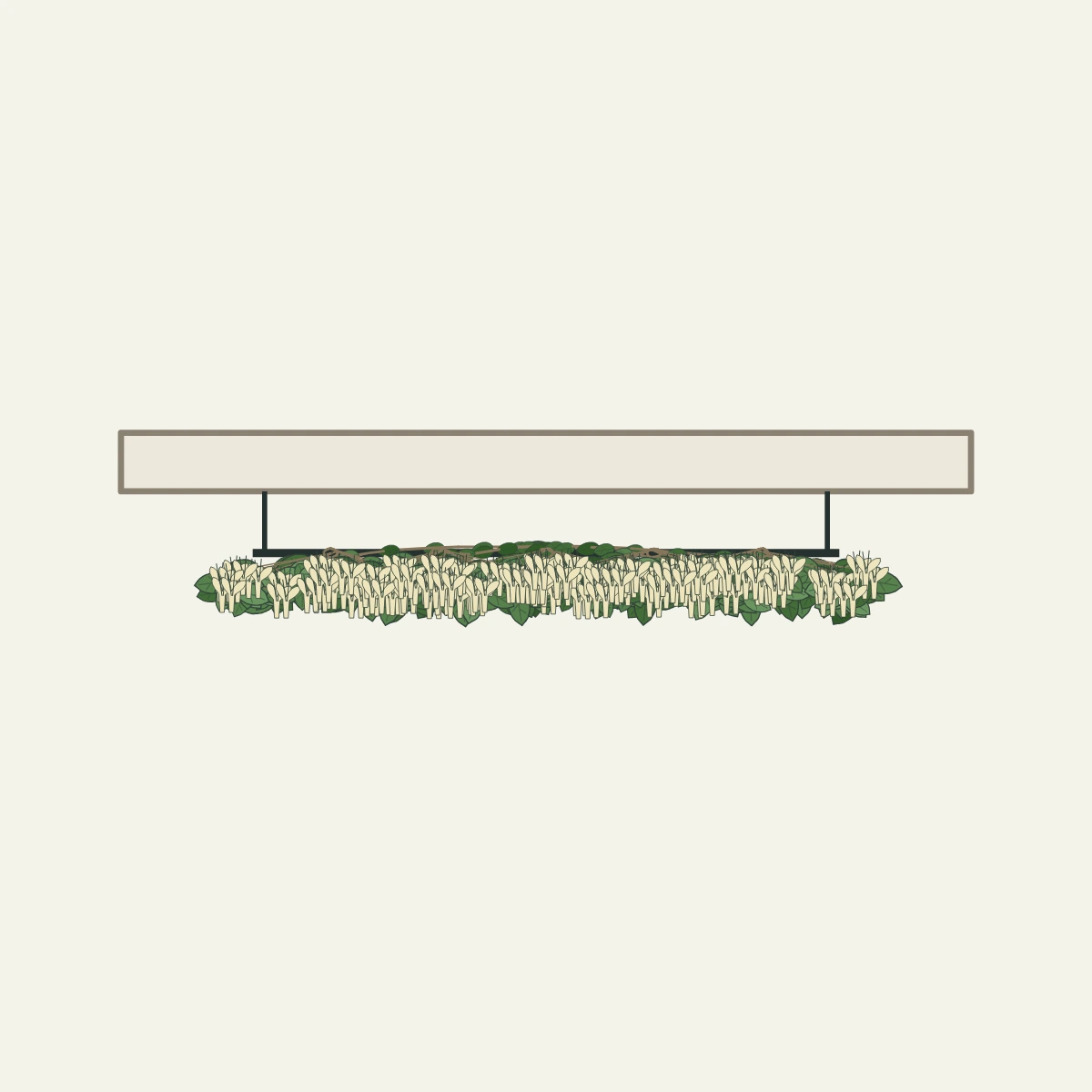
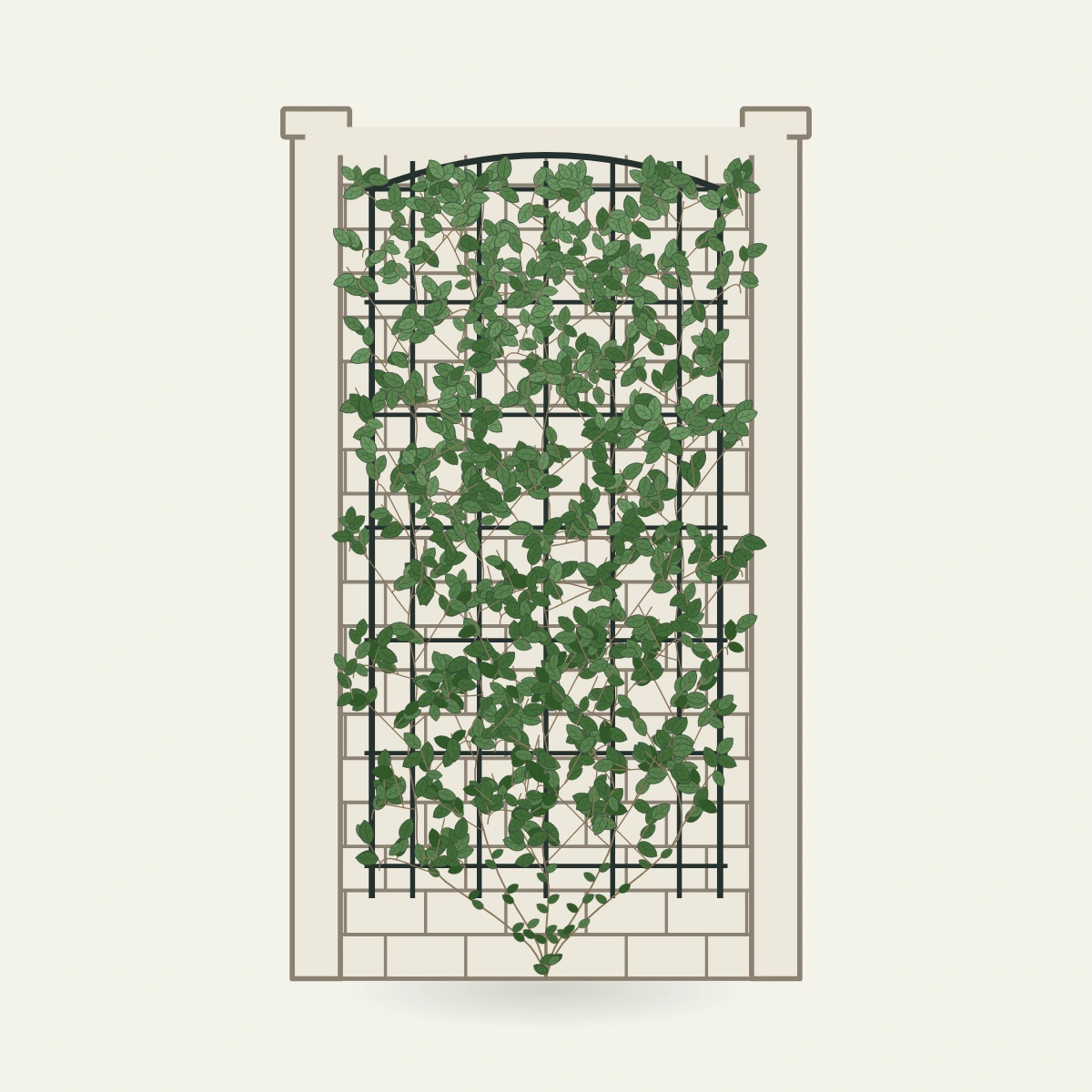
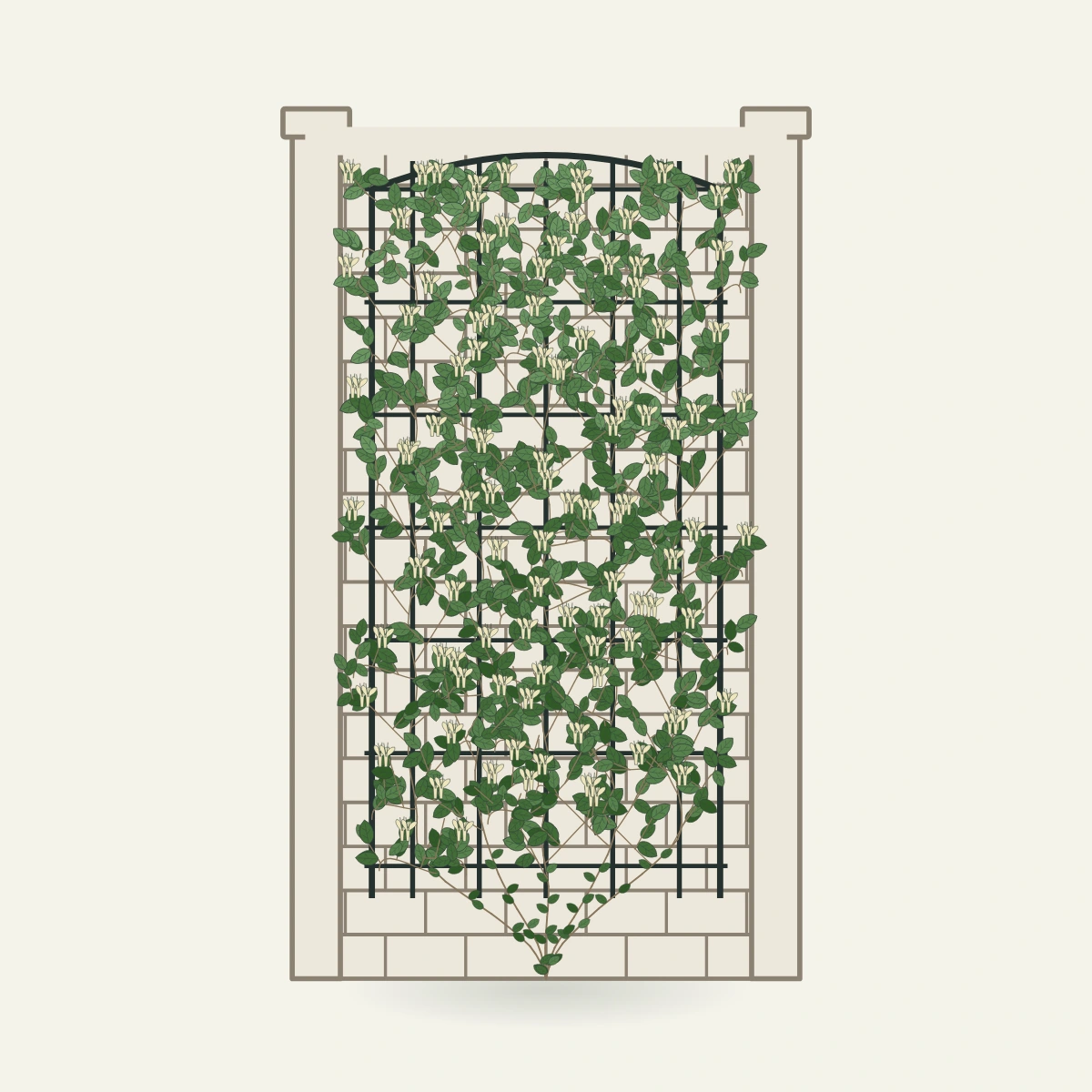
Climber / Caprifoliaceae
The plant, in detail
Opposite ovate to oblong blades have mostly entire margins. Early leaves can be lobed, and the degree of hairiness varies. Paired axillary flowers open white or cream and age yellow, with a two-lipped tube and protruding stamens. Ripe berries are black, 4–7 mm across.
- Reference height
- 4.9–9 m
- Foliage habit
- Semi-evergreen
- USDA zones
- 5a–8b
- Light
- Full sun · Partial shade
Published garden dimensions describe the cited growing context, not an absolute species maximum. Model dimensions are illustrative.
Crown
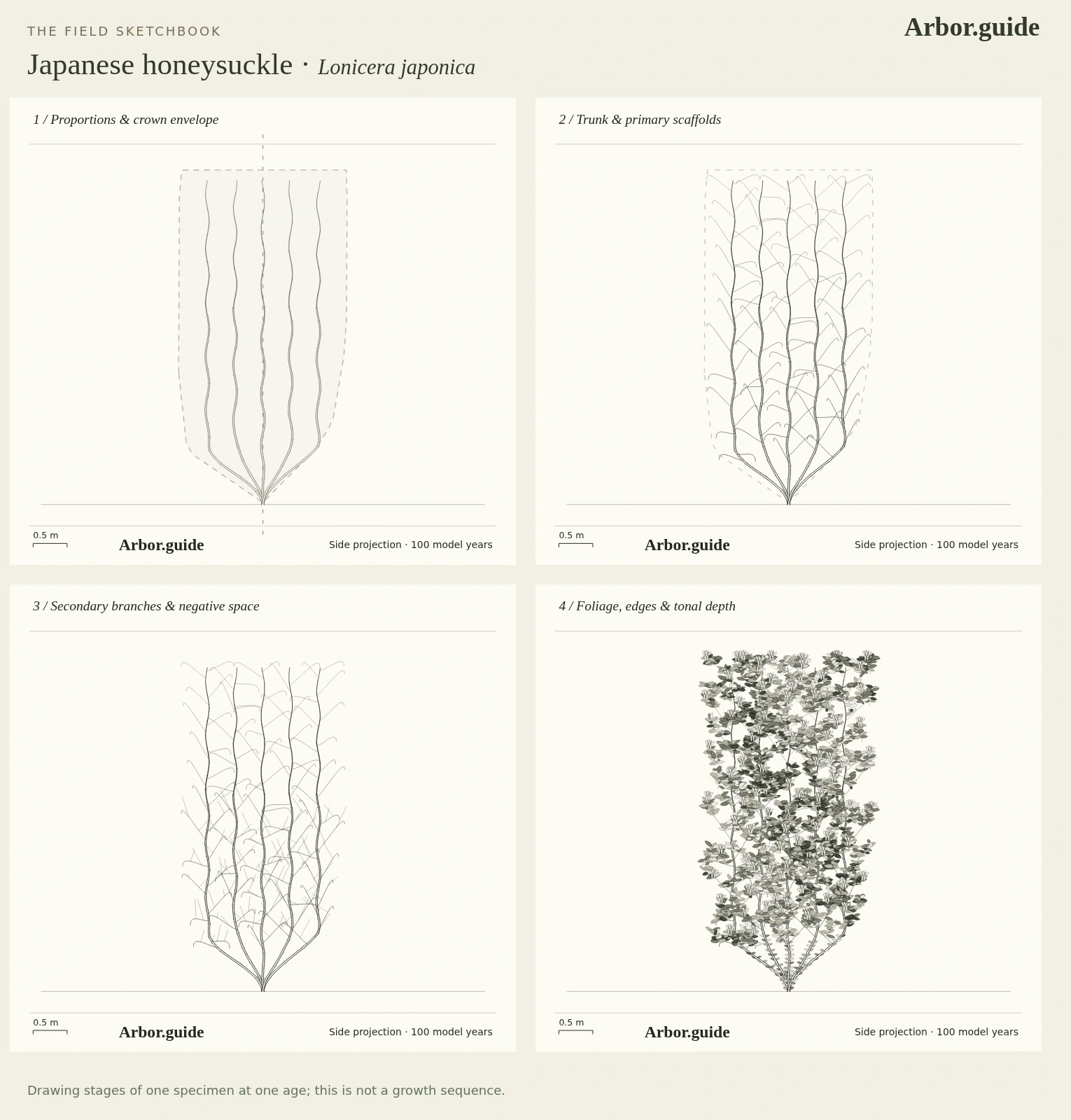
Twining stems climb through a support and produce long leafy side shoots; unsupported growth can trail along the ground.
Branching
Opposite ovate to oblong blades have mostly entire margins. Early leaves can be lobed, and the degree of hairiness varies.
Bark
Young shoots may be reddish and hairy, becoming smoother as they age.
Roots
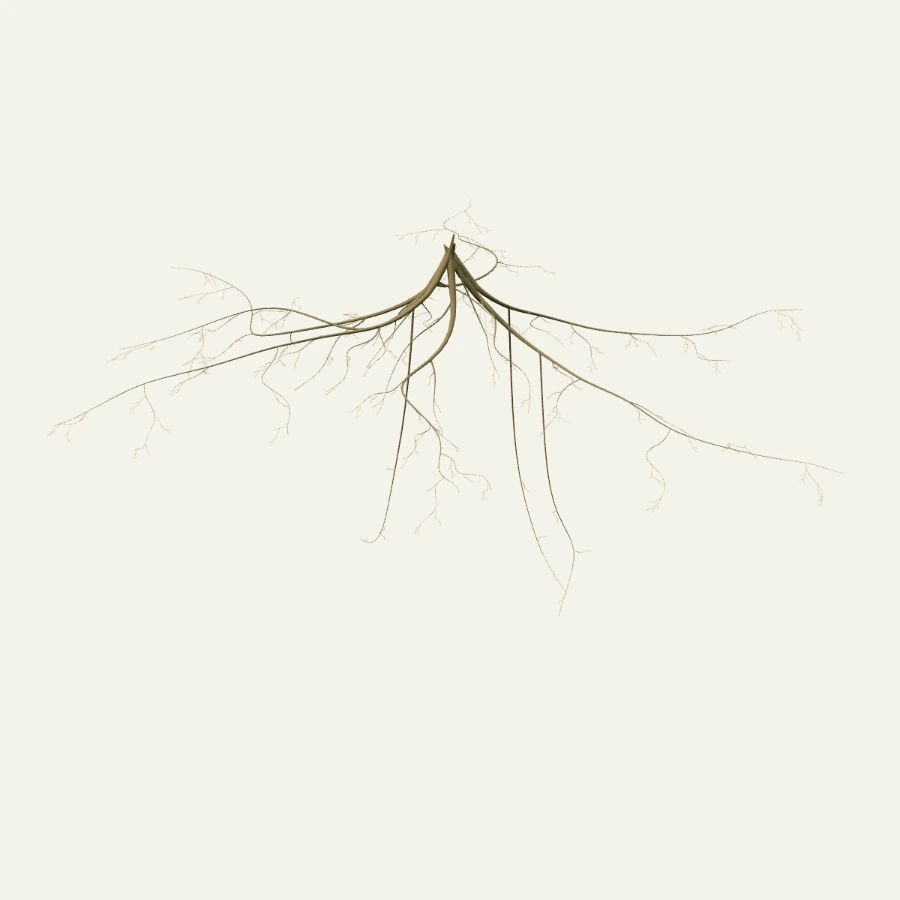
Illustrative lateral roots with descending axes. Soil depth, drainage and competition determine the actual root system.
02 / Seasons
Through the seasons
Four portraits. One plant.
Read the crown, foliage and reproductive structures together. The four views compare seasonal appearances; the reference notes explain what is actually documented.
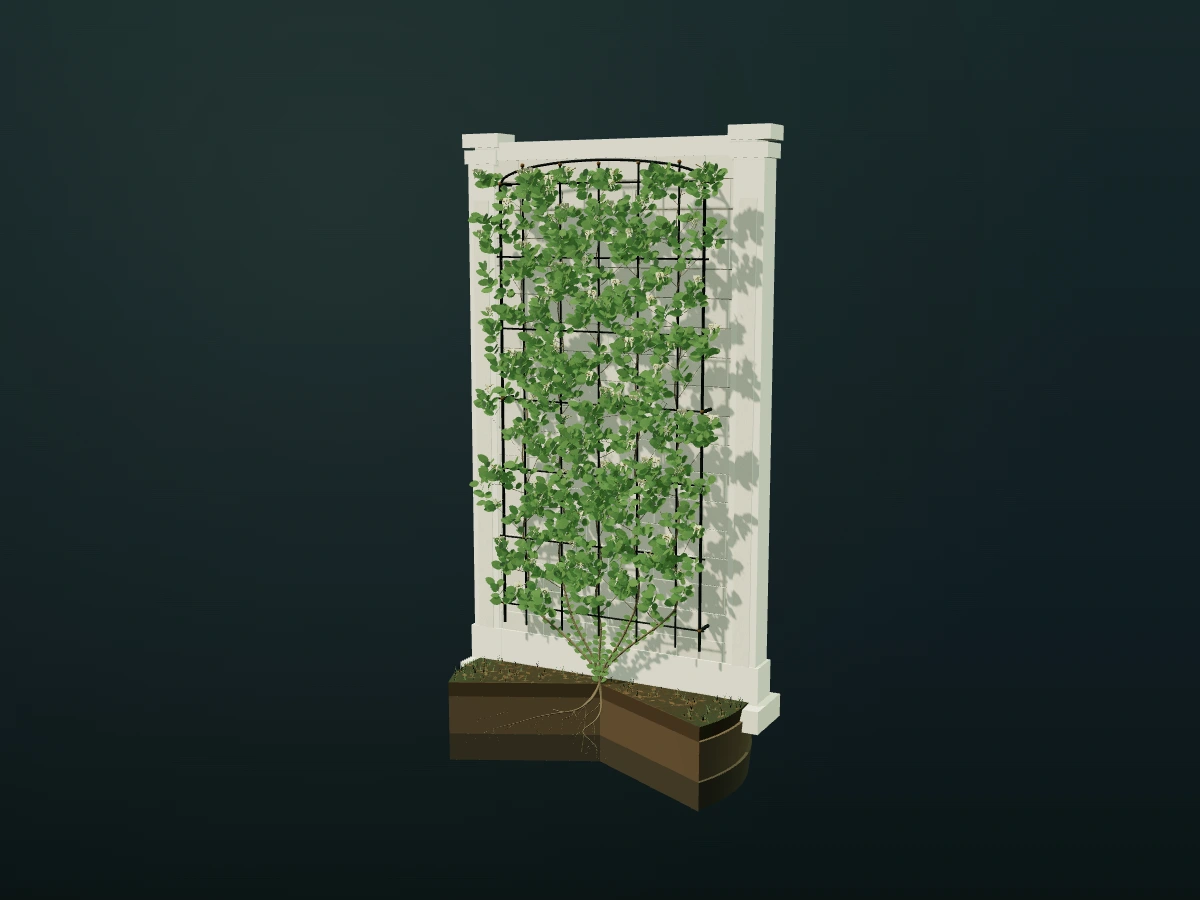
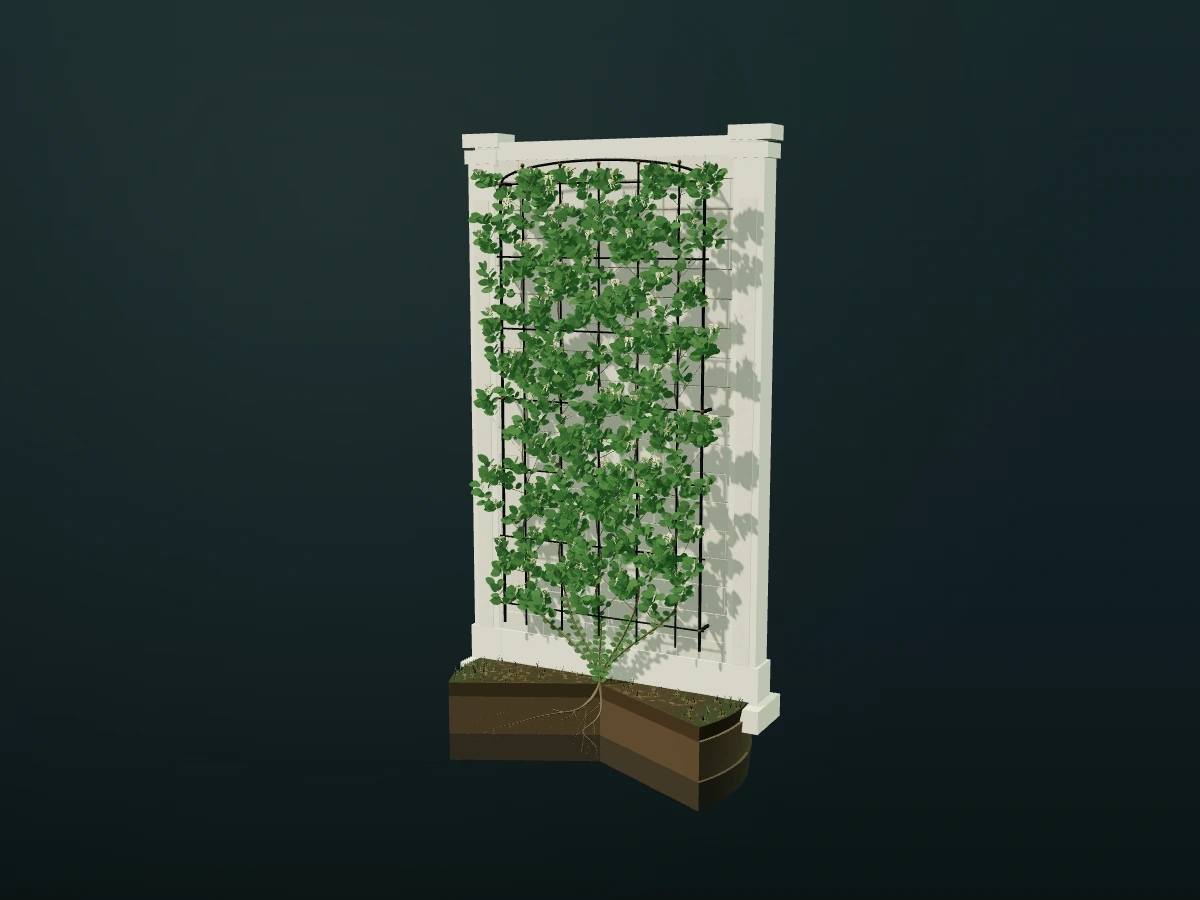
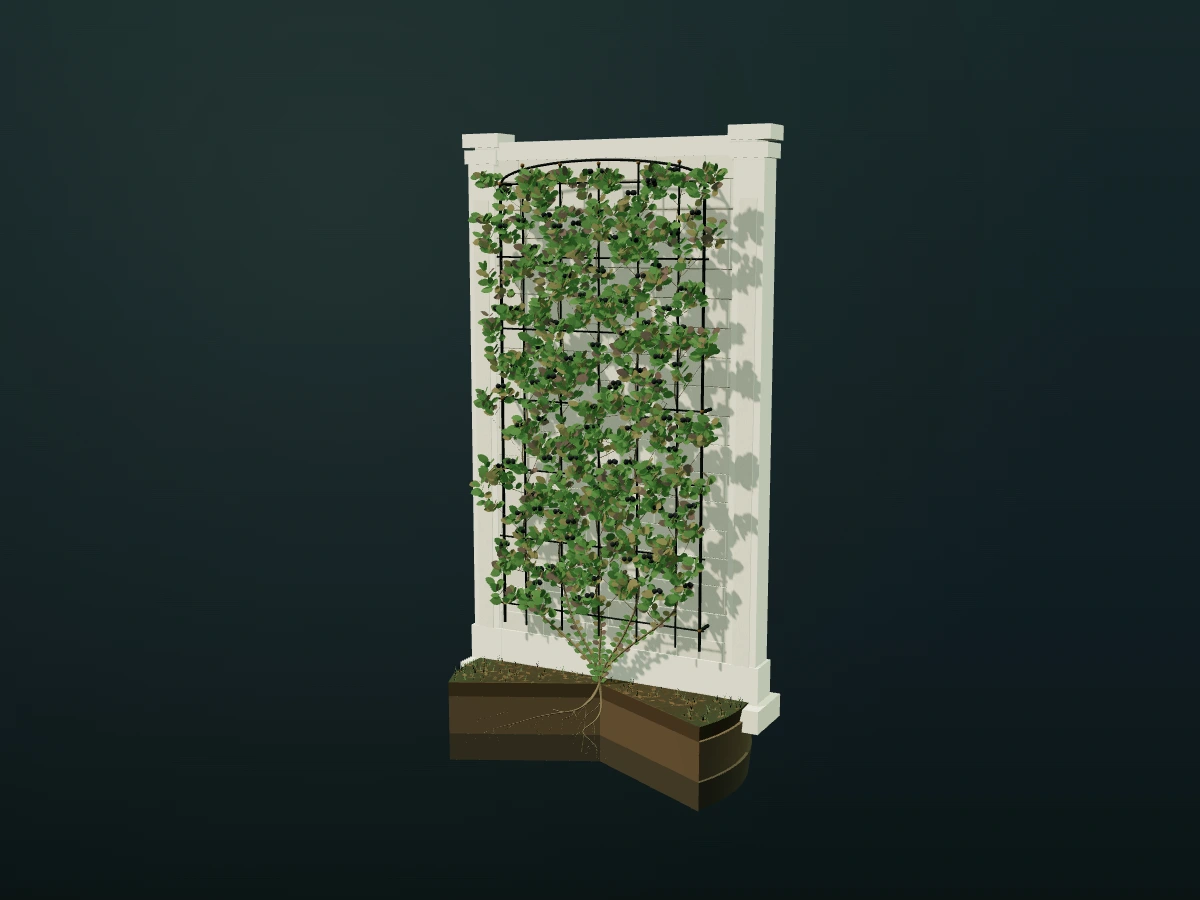
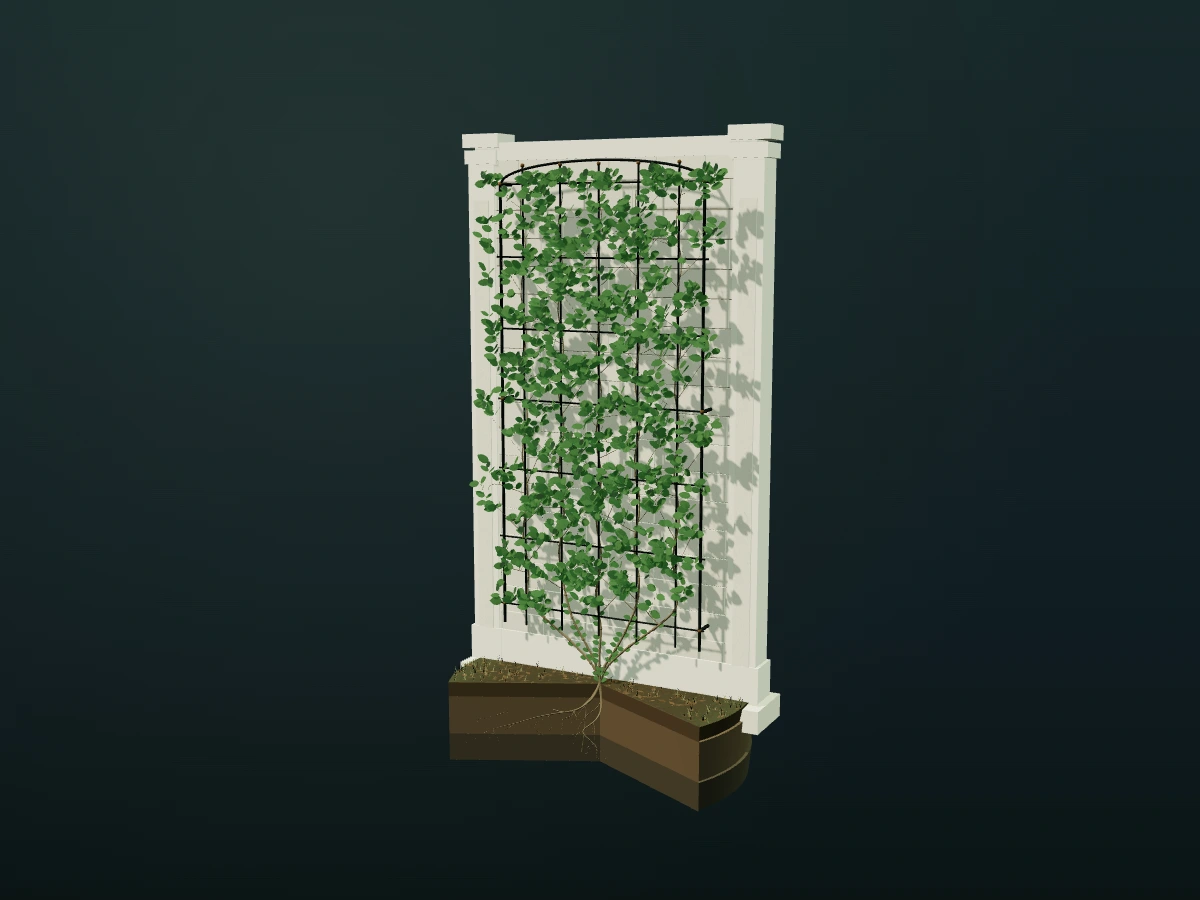
Seasonal illustration; the same plant, age and camera across four views.
Seasonal record
Regional observations from the source; no fixed calendar forecast
Leaf renewal
Variable leaf retention[1] [2]
Leaf retention varies with climate, moisture or provenance. A partially leafy or bare view is one possible condition, not a promise that every plant follows the same winter pattern.
Reading these views
Season names organize these four views, not a universal calendar. Hemisphere, local climate, cultivar and management can change timing; months are shown only when explicitly recorded.
The views emphasize crown structure. Buds, small flowers, individual retained leaves and fine reproductive changes may be unresolved; model age and fruit count are not production forecasts. The model uses one authored partial-retention scenario. No measured percentage of winter leaf retention is assigned.
No separate on-tree fruit display is configured for this record.
Seasonal references
- University of Florida IFAS · Lonicera japonica ↗plant-directory.ifas.ufl.edu
- NC State Extension · Lonicera japonica ↗plants.ces.ncsu.edu
03 / Leaves & flowers
A closer look at the organs
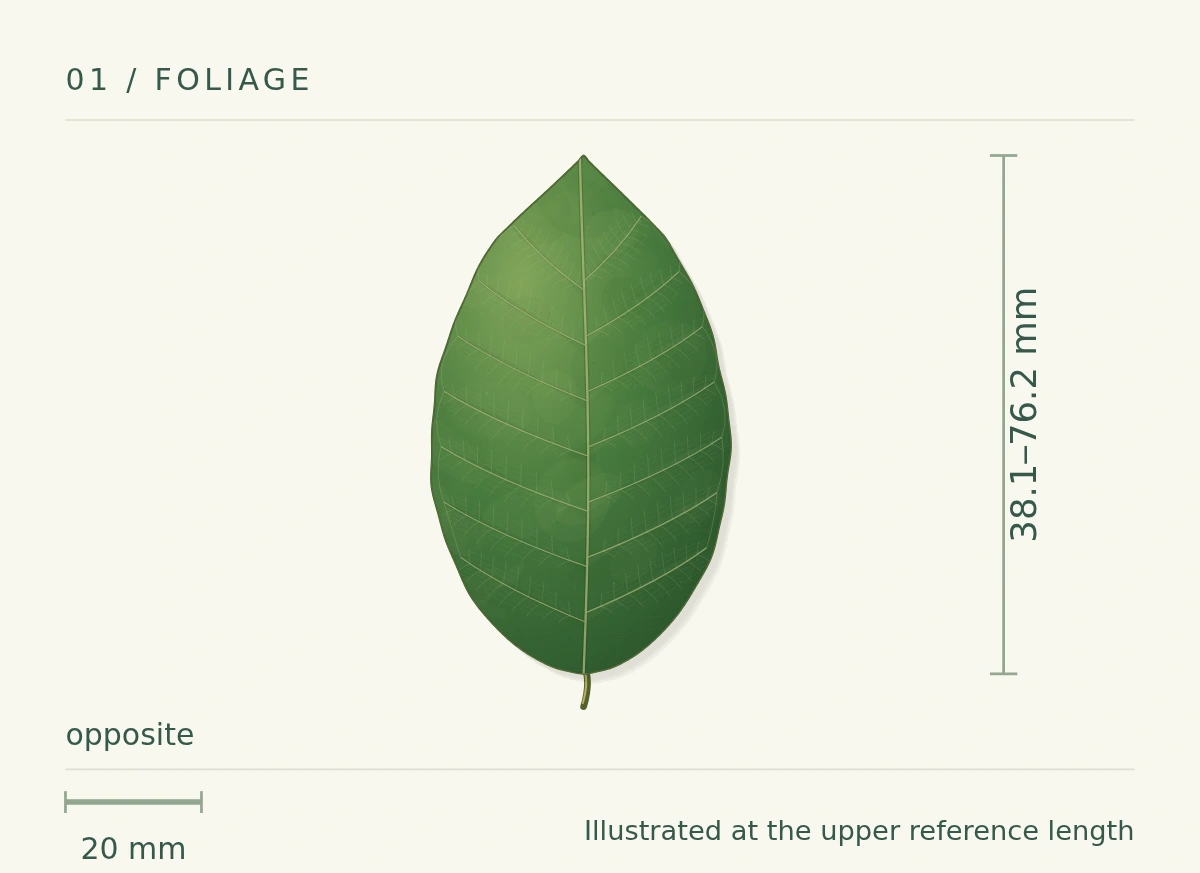
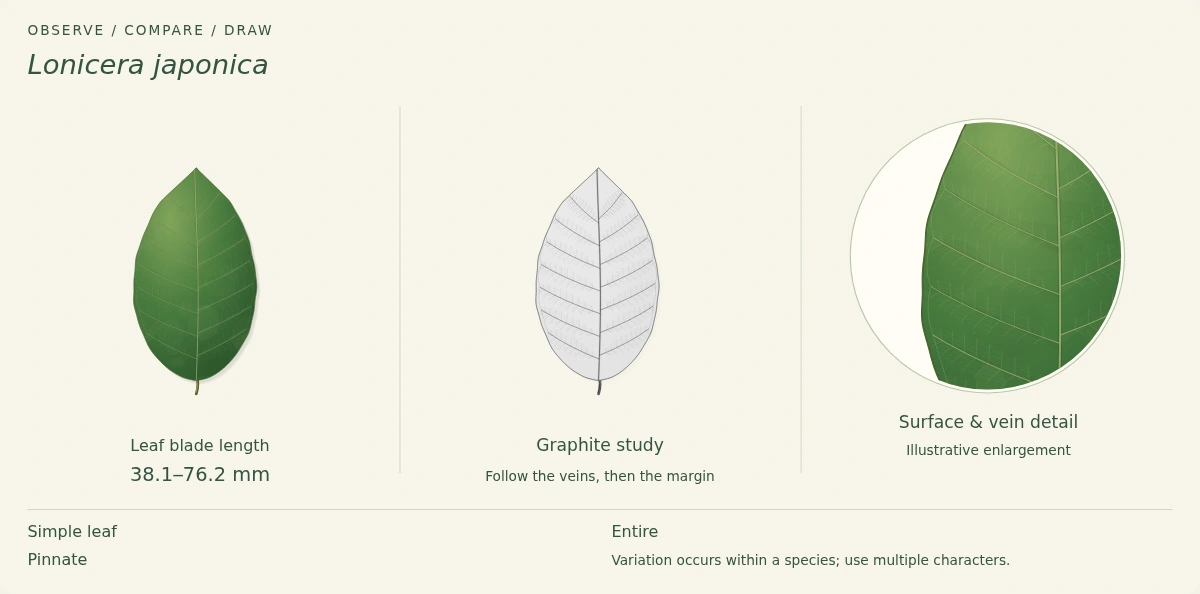
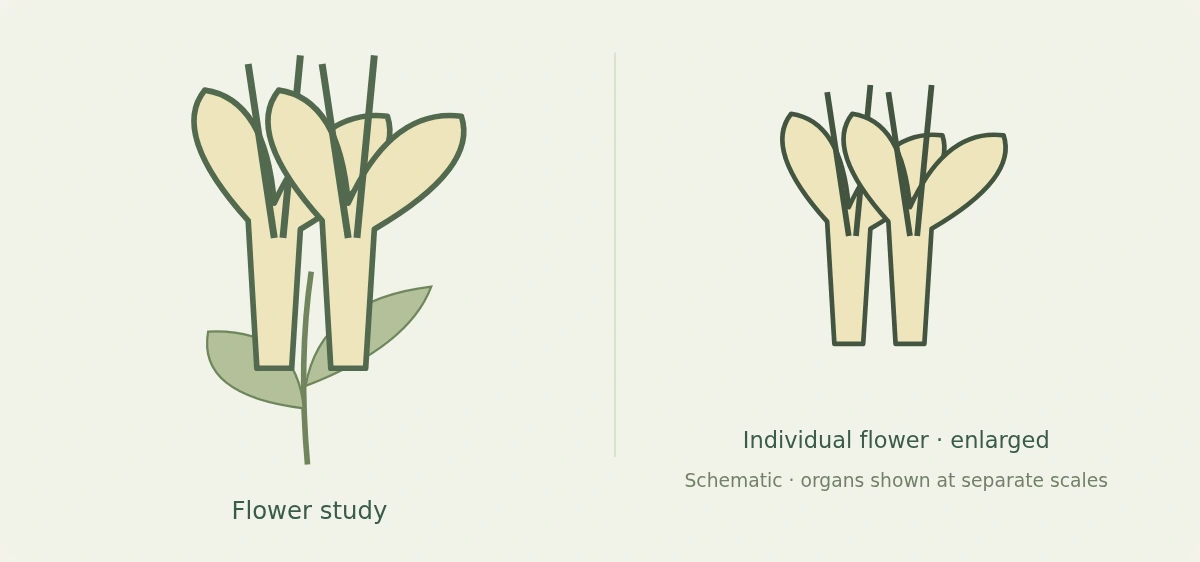
Leaves
- Leaf blade length
- 38.1–76.2 mmSource notes
Opposite ovate to oblong blades have mostly entire margins. Early leaves can be lobed, and the degree of hairiness varies.
Simple leaf · Entire · Pinnate · opposite
Seasonal notes
Foliage may persist in mild climates and fall in colder or drier conditions. The model shows one possible retained-leaf state.
- Flowering reference
- Spring · Summer
04 / Fruit & seed
Named structures, separate scales
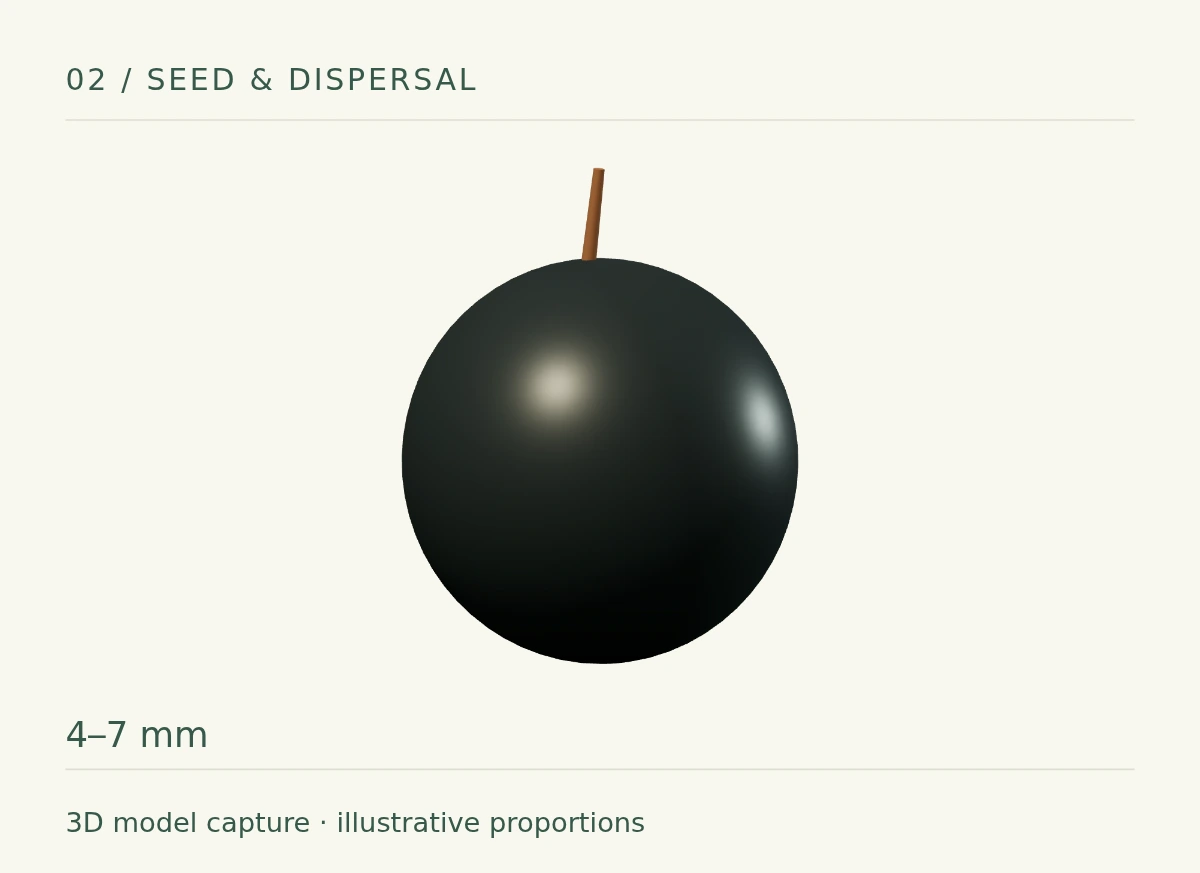
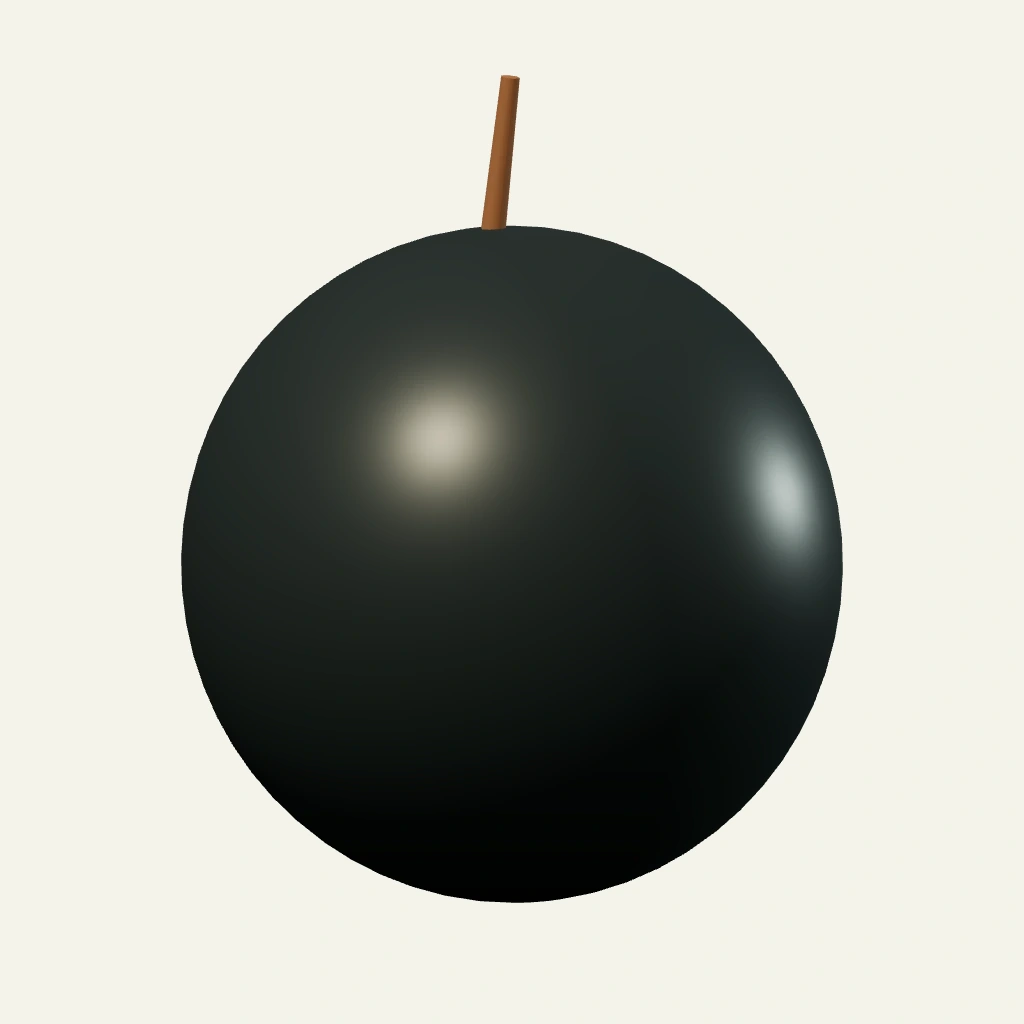
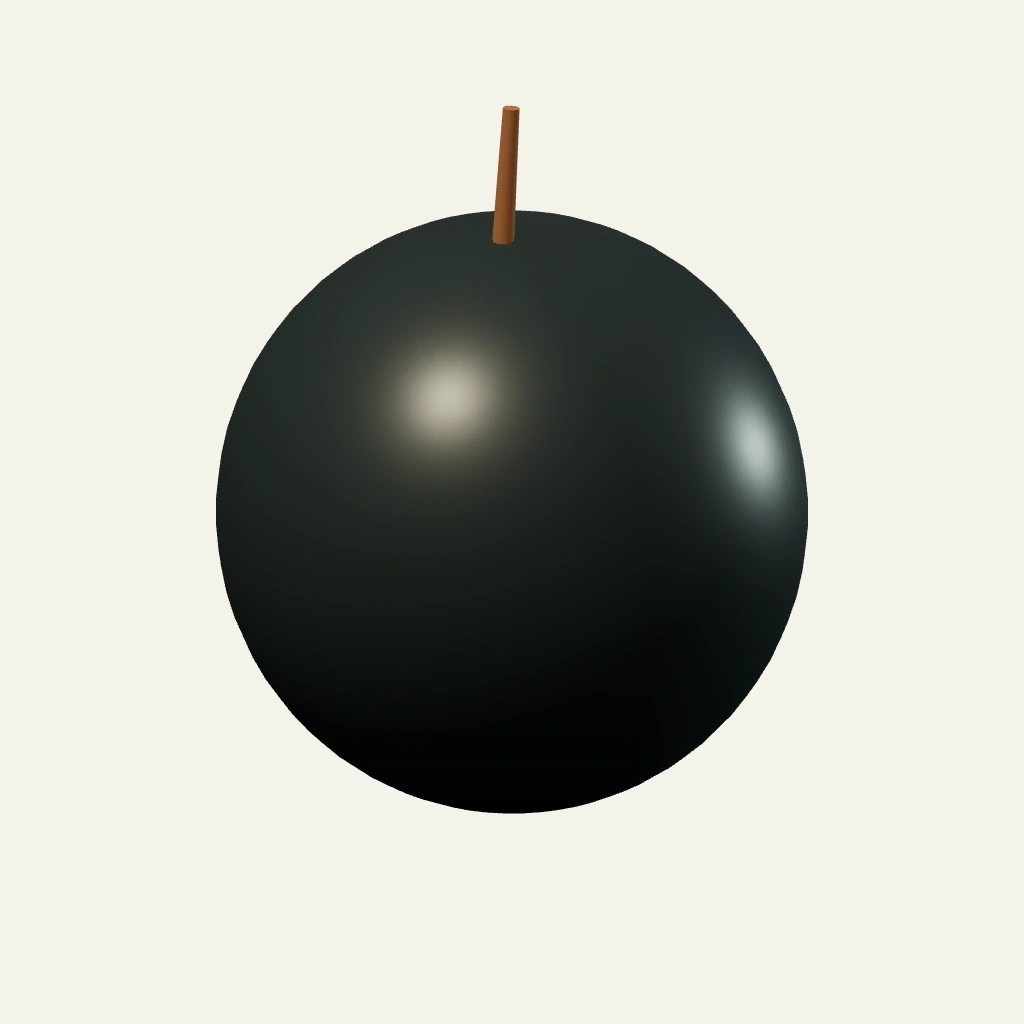
Fruit / dispersal unit
- Berry diameter · whole fruit
- 4–7 mmSource notes
Paired axillary flowers open white or cream and age yellow, with a two-lipped tube and protruding stamens. Ripe berries are black, 4–7 mm across.
- Fruiting reference
- Autumn
Organs are enlarged independently. Refer to the named measurement, not image size.
05 / Habitat
Native range & growing context
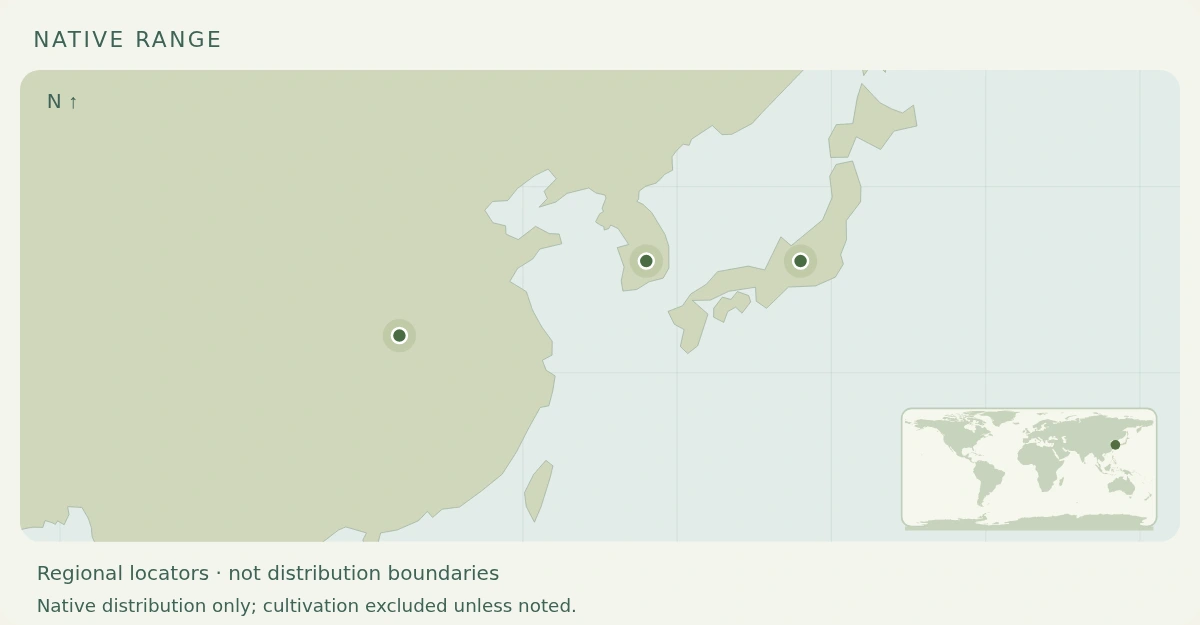
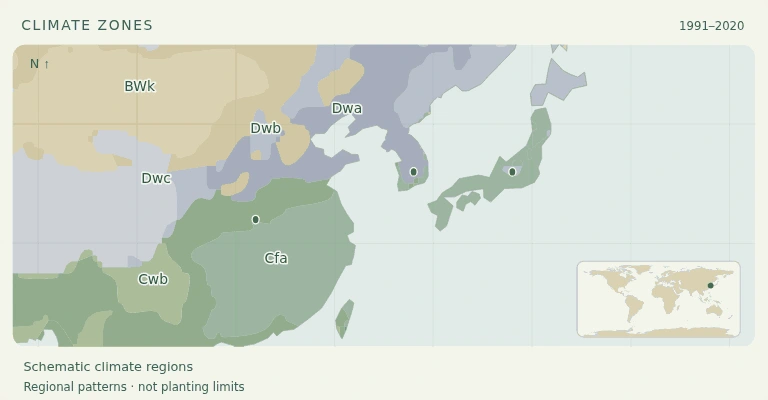
Native range & growing context
China, Japan and Korea.
- Reference spread
- 0.91–1.8 m
- Moisture
- Moist · drained
- Growth tendency
- Growth rate is not quantified in the selected references.
- Life span
- No numerical lifespan is assigned. Model years control the illustration, not a survival forecast.
Regional context, not a measured occurrence or suitability map.
06 / Sources & interpretation
Read the evidence behind the illustration
Names & classification
- Family
- Caprifoliaceae
- Genus
- Lonicera
- Synonyms
- —
- Twining stems climb through a support and produce long leafy side shoots; unsupported growth can trail along the ground.
- Opposite ovate to oblong blades have mostly entire margins. Early leaves can be lobed, and the degree of hairiness varies.
- Paired axillary flowers open white or cream and age yellow, with a two-lipped tube and protruding stamens. Ripe berries are black, 4–7 mm across.
- Invasive in many introduced regions, where vigorous stems can smother native vegetation. This record describes the species, not a planting recommendation.
- Foliage may persist in mild climates and fall in colder or drier conditions. The model shows one possible retained-leaf state.
Source-informed illustration. Branches, roots, growth ages and colour proportions are schematic; individual trees vary with site and provenance.
Source-informed illustration. Branches, roots, growth ages and colour proportions are schematic; individual trees vary with site and provenance.
- NC State Extension · Lonicera japonica ↗plants.ces.ncsu.edu
- University of Florida IFAS · Lonicera japonica ↗plant-directory.ifas.ufl.edu
Plant data and references · 6
| Heightm | [4.8768, 8.9916]Published garden dimensions describe the cited growing context, not an absolute species maximum. Model dimensions are illustrative.plants.ces.ncsu.edu |
|---|---|
| Spreadm | [0.9144, 1.8288]Published garden dimensions describe the cited growing context, not an absolute species maximum. Model dimensions are illustrative.plants.ces.ncsu.edu |
| Nativerange | China, Japan and Korea.Named organ and taxonomic scope are retained; unknown bounds stay null.plants.ces.ncsu.edu |
| Hardinesscategory | {"system": "USDA", "zones": [5, 8], "zoneLabels": ["5a", "8b"], "source": "ncsu", "basis": "reported-range"}Named organ and taxonomic scope are retained; unknown bounds stay null.plants.ces.ncsu.edu |
| Atlas botany organs leaf lengthmm | [38.1, 76.2]Named organ and taxonomic scope are retained; unknown bounds stay null.plant-directory.ifas.ufl.edu |
| Atlas botany organs seed lengthmm | [4, 7]Named organ and taxonomic scope are retained; unknown bounds stay null.plant-directory.ifas.ufl.edu |