Botanical field guide
Quercus rotundifolia
Quercus rotundifolia
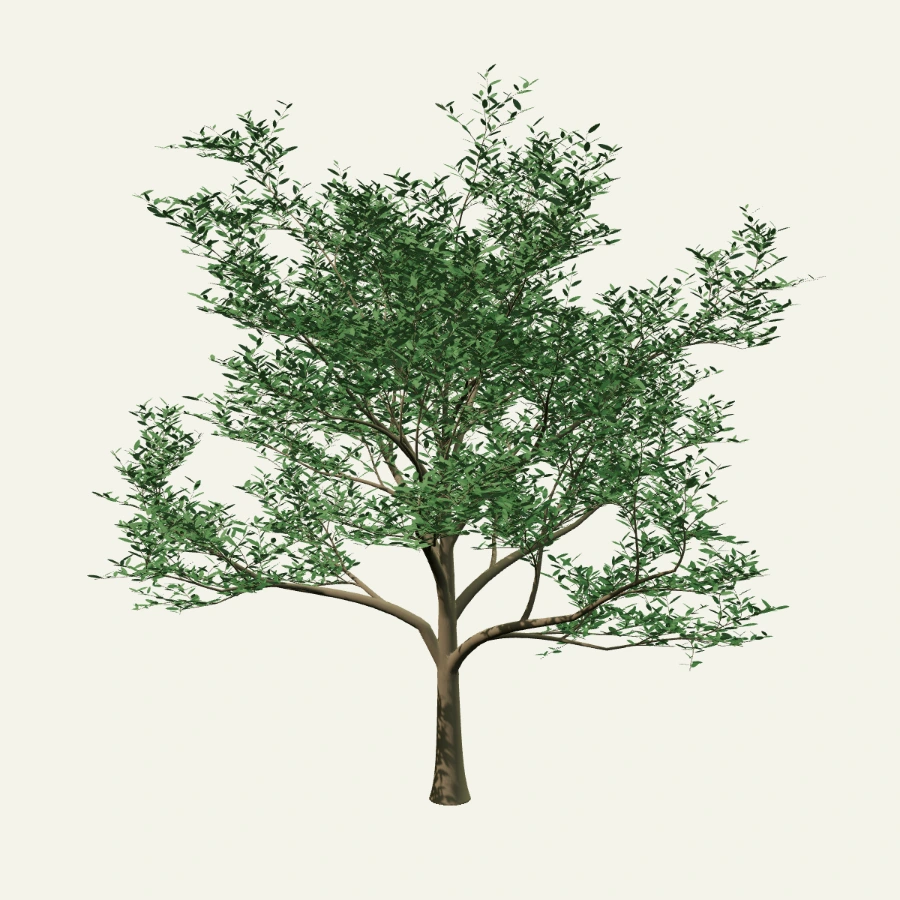
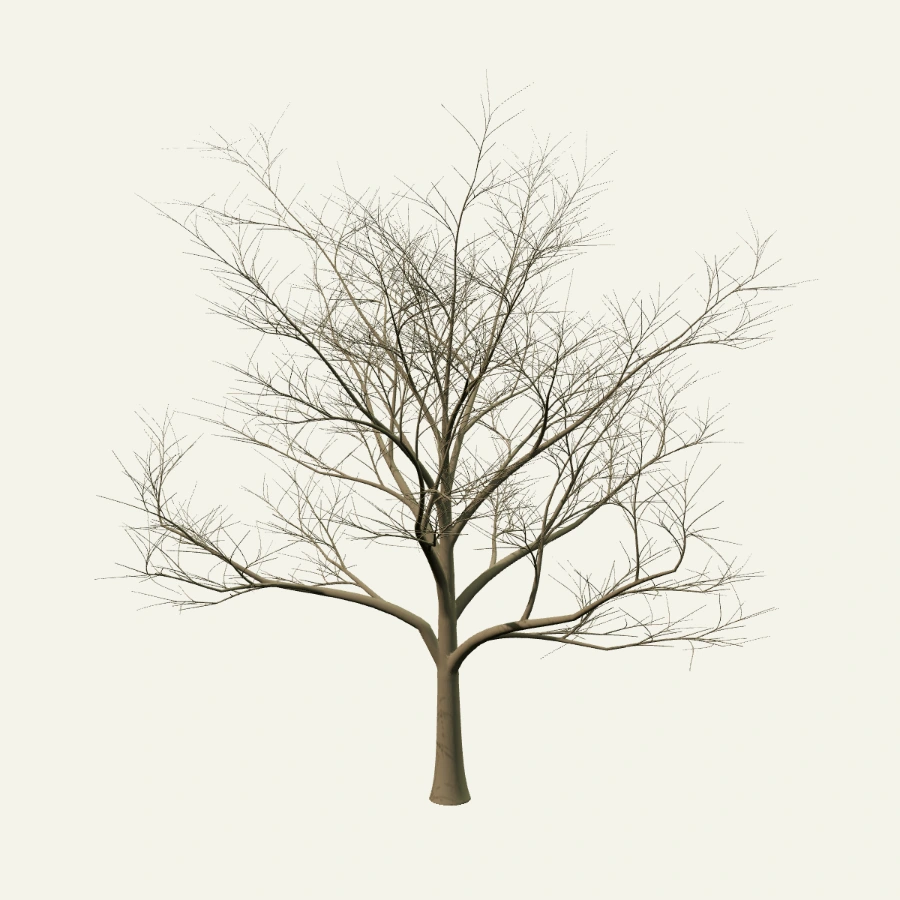
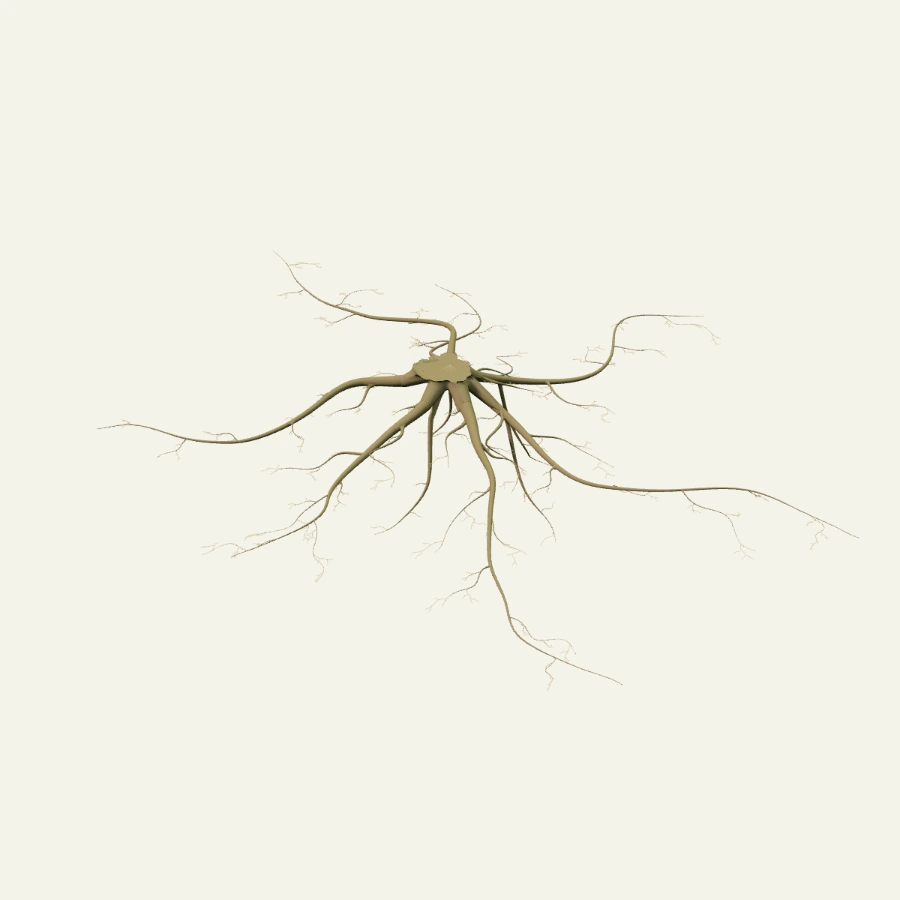
Tree / Fagaceae
The plant, in detail
Forest habitats.
- Reference height
- 8–15 m
- Foliage habit
- Evergreen
- USDA zones
- Min 7 · maximum not documented
- Light
- Not documented
Usually 8–12 m; the account includes occasional trees to 15 m.
Crown
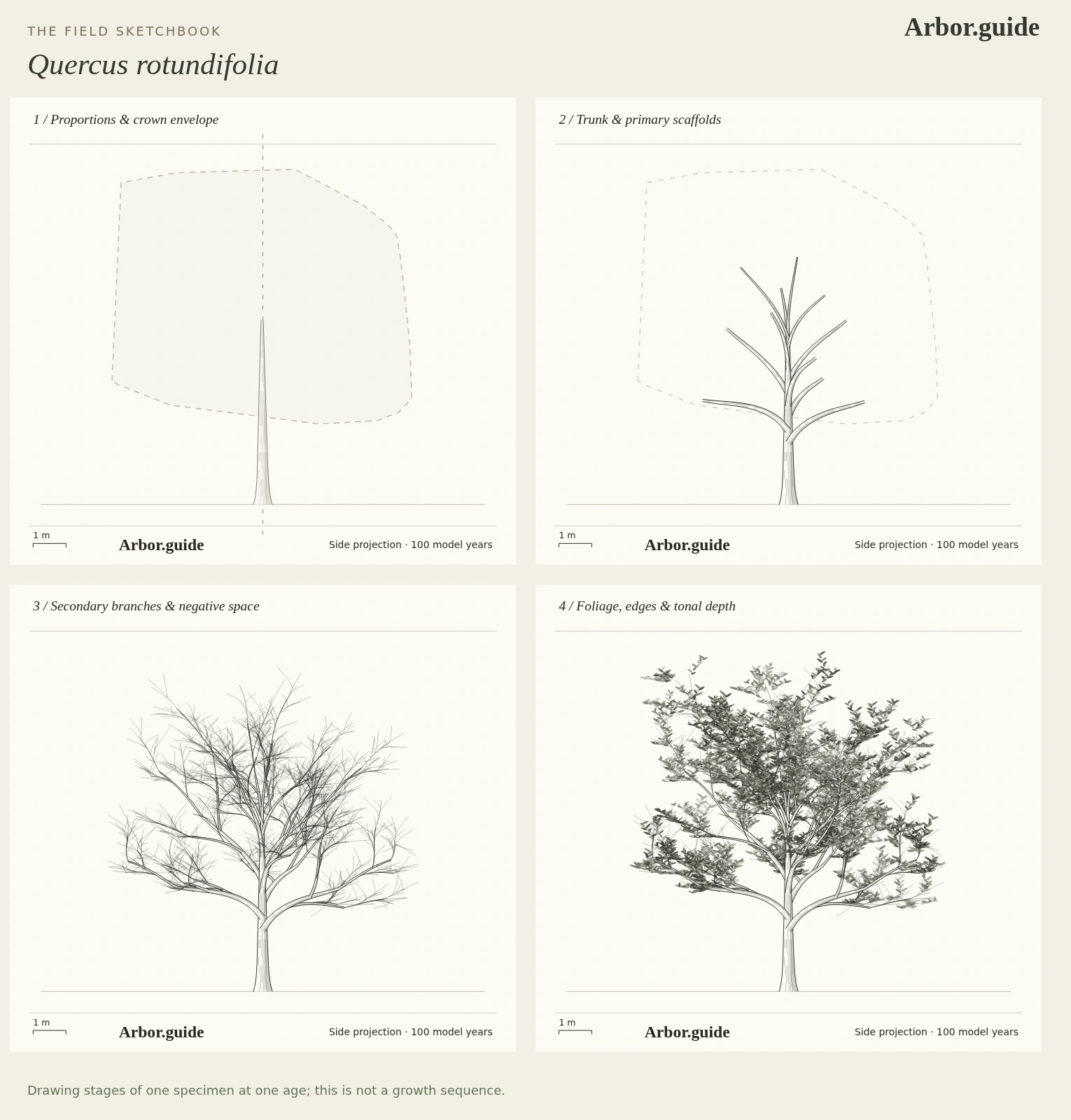
An ArborAI round crown envelope guided by the botanical account.
Branching
Alternate leaf insertion; branch coordinates are illustrative.
Bark
Illustrative smooth bark treatment; source descriptions distinguish age-dependent bark characters.
Roots
Illustrative spreading roots. No measured root depth or radius is assigned.
The shape of growth
Stylized real-world examples
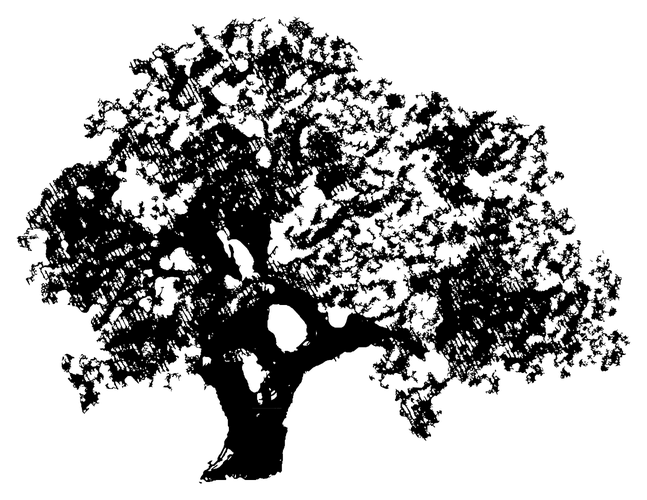
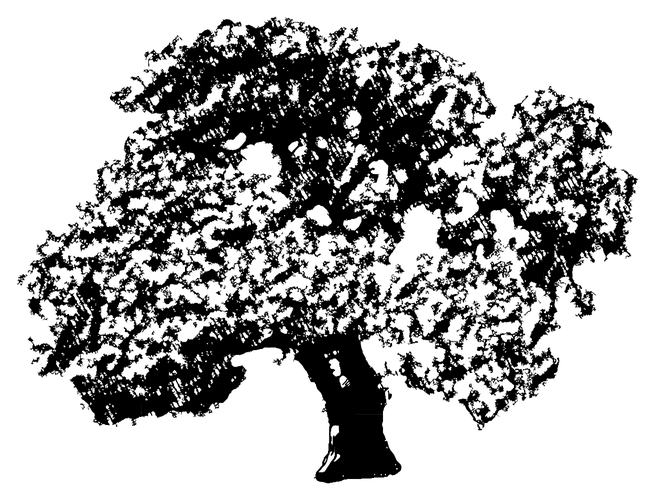
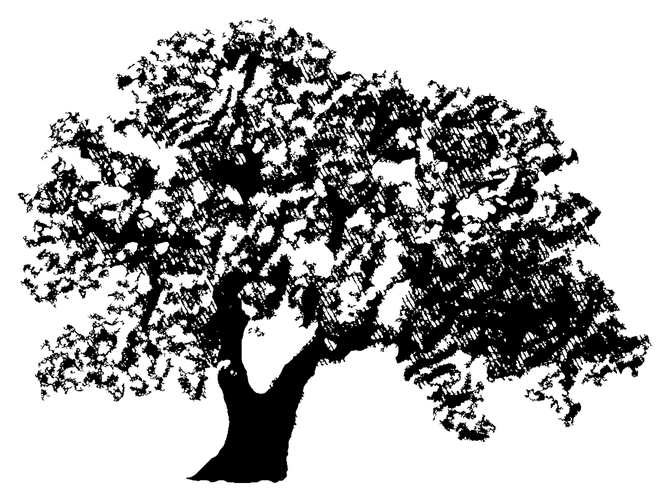
Silhouettes are sized independently.
02 / Seasons
Through the seasons
Four portraits. One plant.
Read the crown, foliage and reproductive structures together. The four views compare seasonal appearances; the reference notes explain what is actually documented.
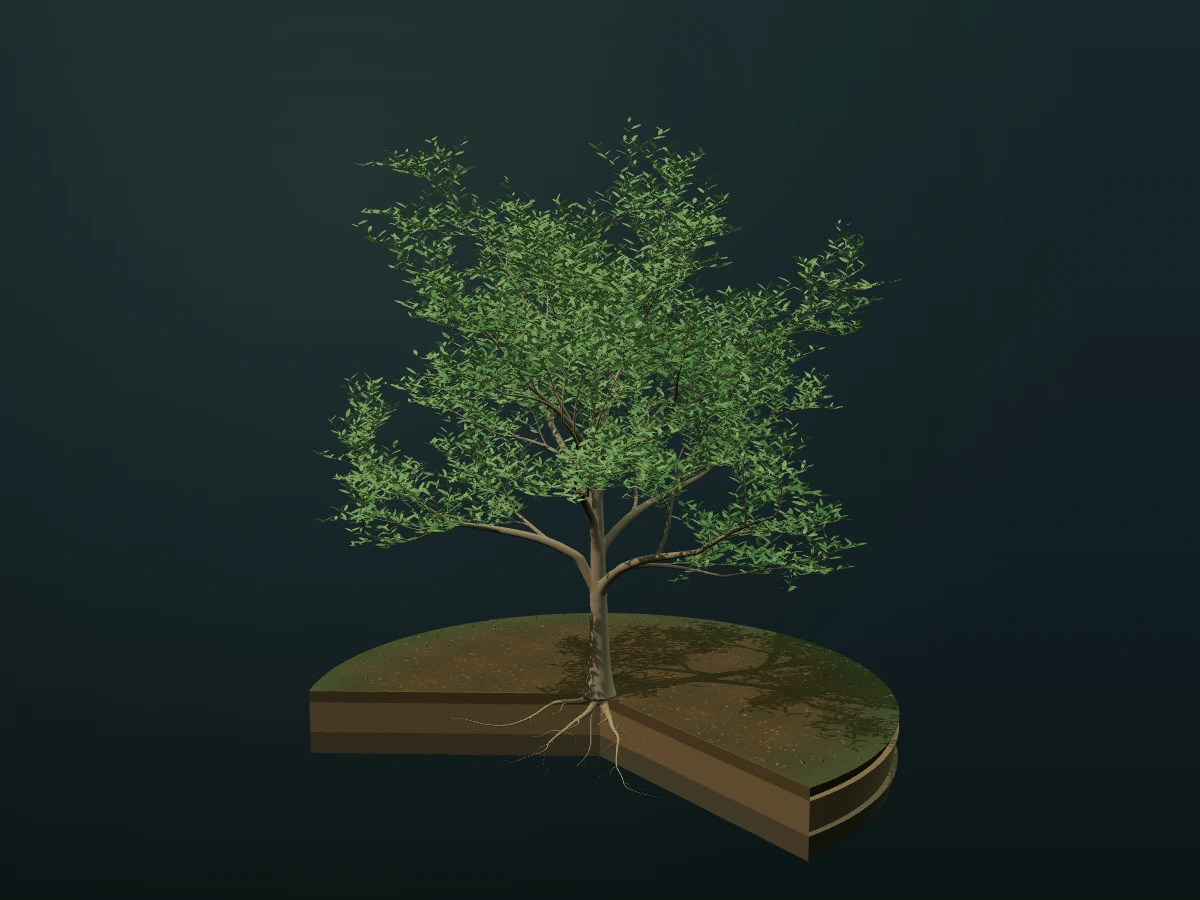
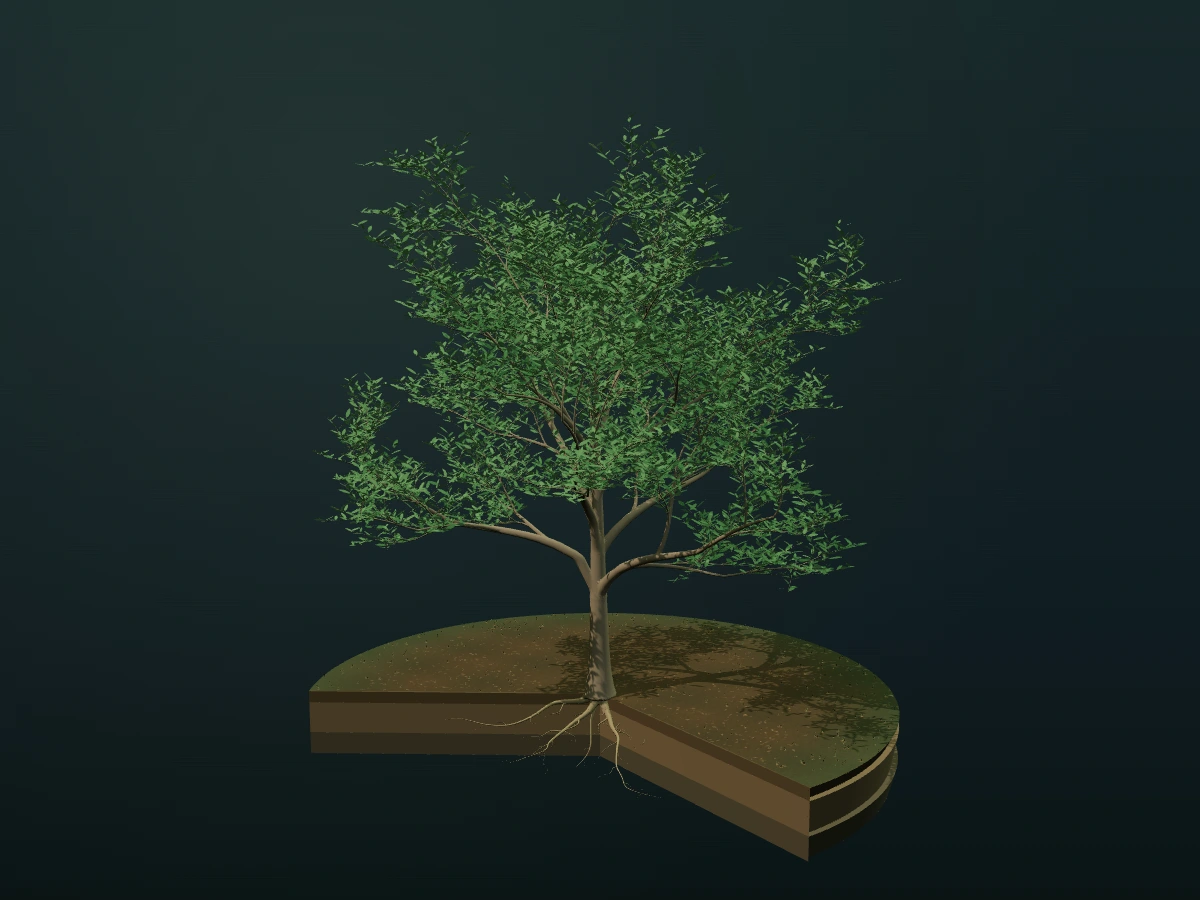
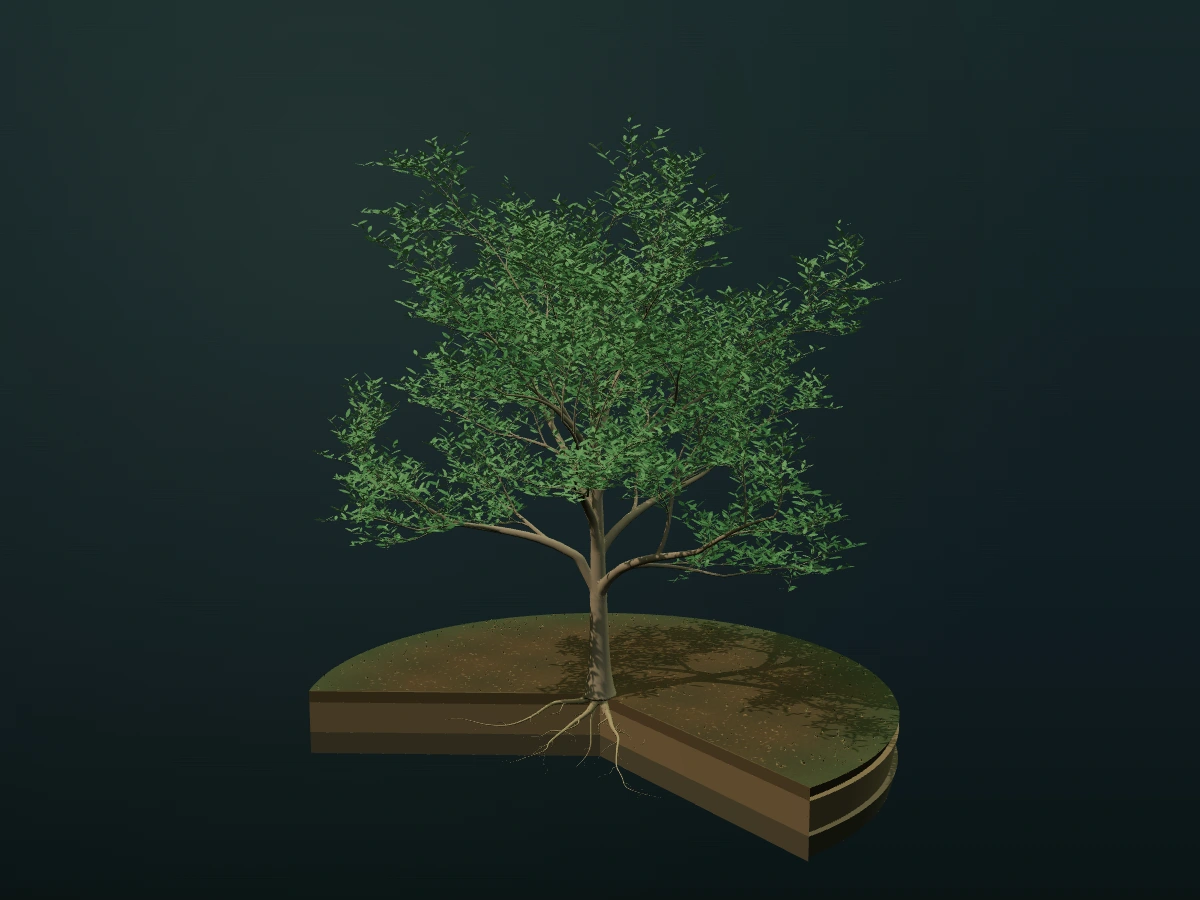
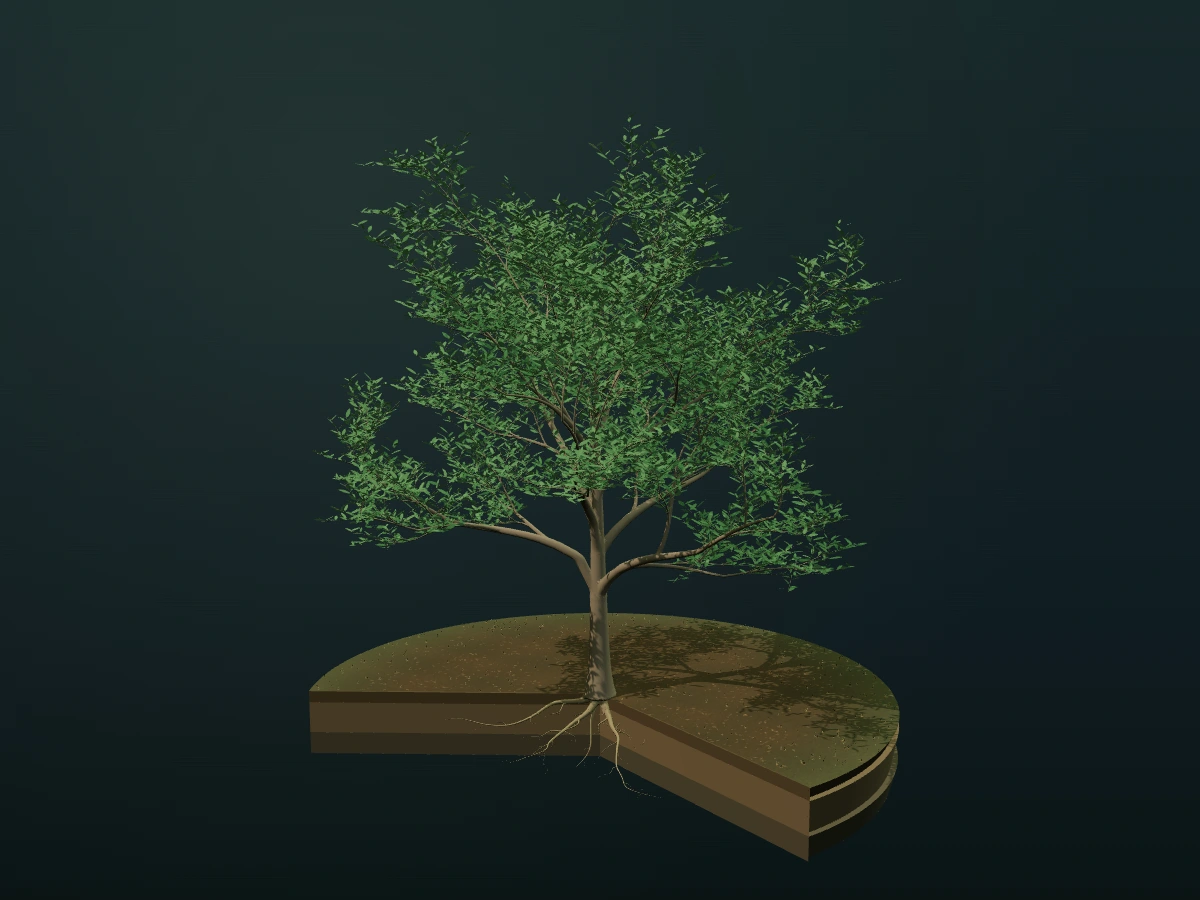
Seasonal illustration; the same plant, age and camera across four views.
Seasonal record
Reference region not specified in this record.
- Flowering
- Timing not documented
- Fruiting / dispersal
- Timing not documented
Leaf renewal
Evergreen[1]
A green canopy can persist while individual leaves age and are replaced. Evergreen does not mean that every leaf lasts indefinitely or that flowering and fruiting are continuous.
Reading these views
Season names organize these four views, not a universal calendar. Hemisphere, local climate, cultivar and management can change timing; months are shown only when explicitly recorded.
The views emphasize crown structure. Buds, small flowers, individual retained leaves and fine reproductive changes may be unresolved; model age and fruit count are not production forecasts.
No separate on-tree fruit display is configured for this record.
Seasonal references
- International Dendrology Society · Quercus rotundifolia ↗www.treesandshrubsonline.org
03 / Leaves & flowers
A closer look at the organs
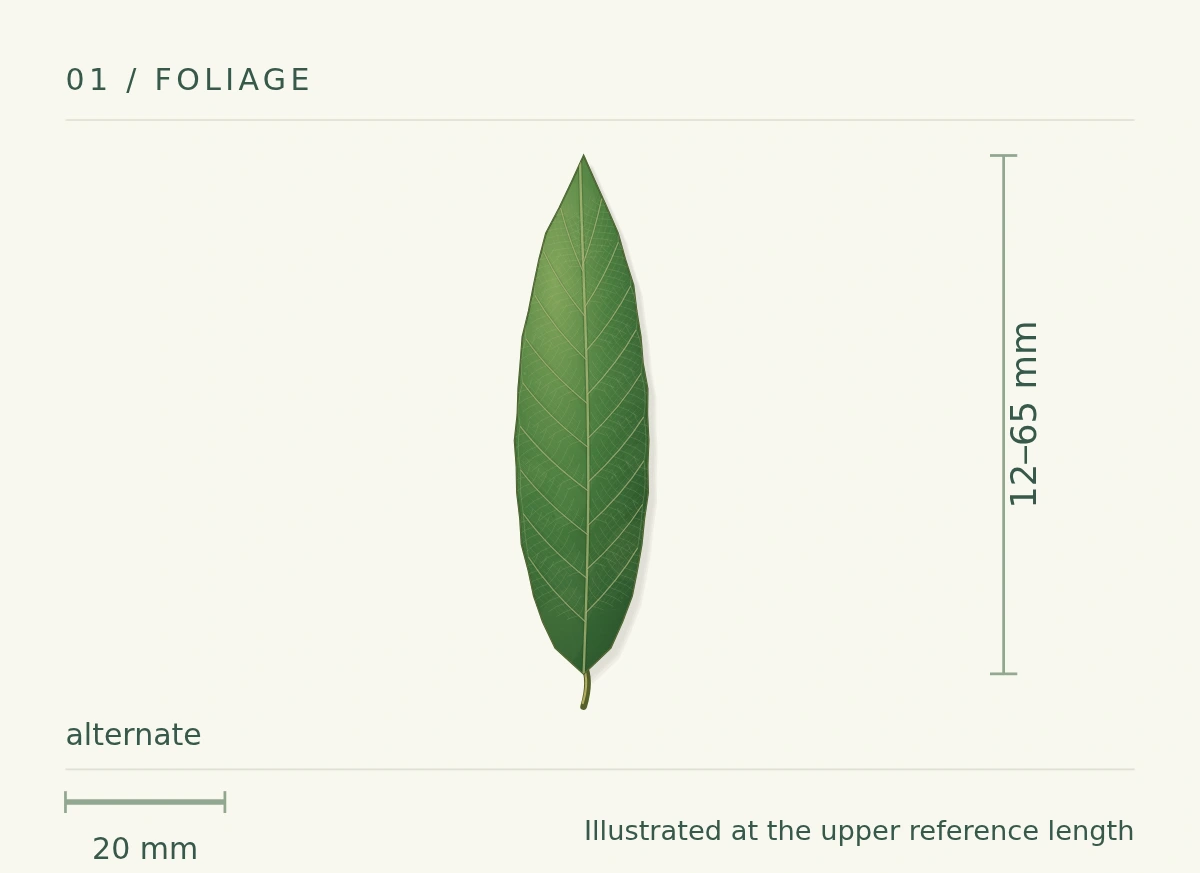
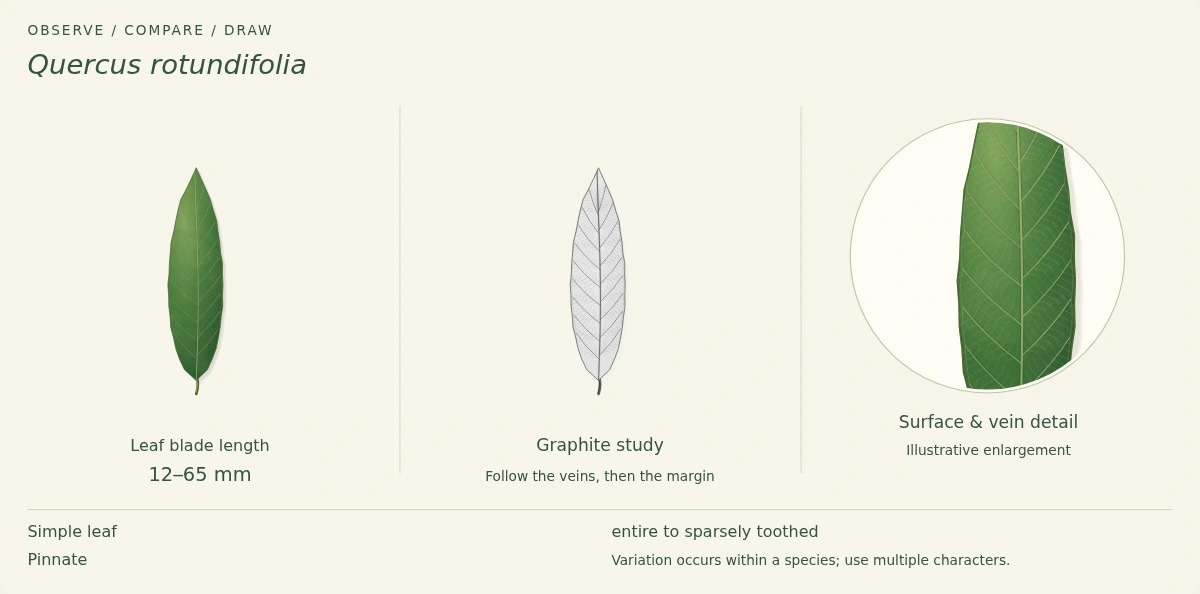
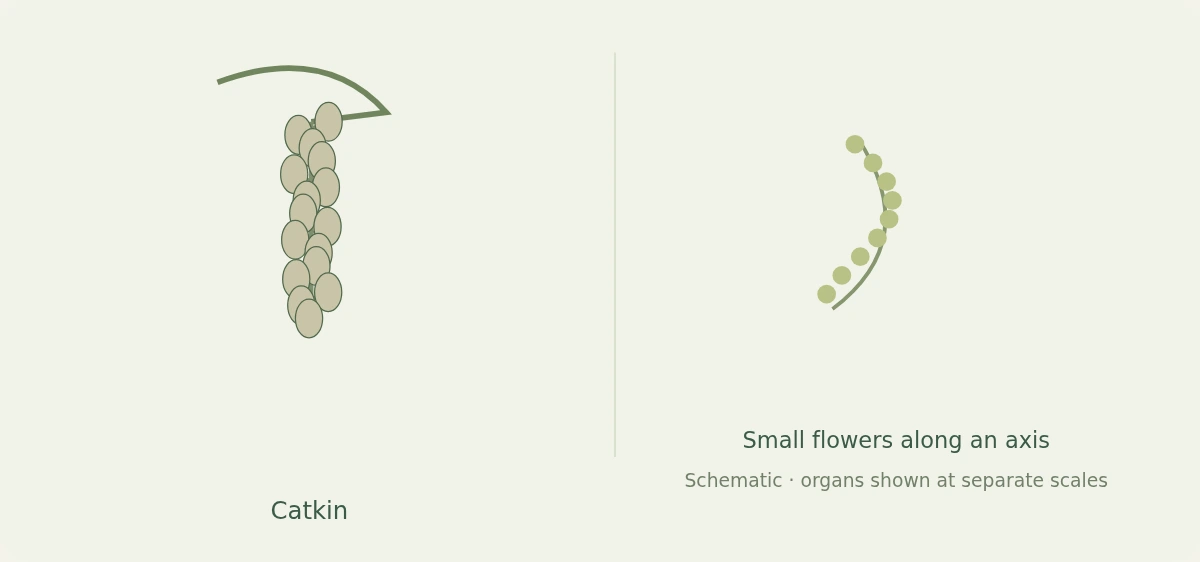
Leaves
- Leaf blade length
- 12–65 mmSource notes
Simple lanceolate blades; entire to sparsely toothed margins.
Simple leaf · entire to sparsely toothed · Pinnate · alternate
Seasonal notes
Seasonal colours and dates are illustrative and vary with climate.
- Flowering reference
- Not documented
04 / Fruit & seed
Named structures, separate scales
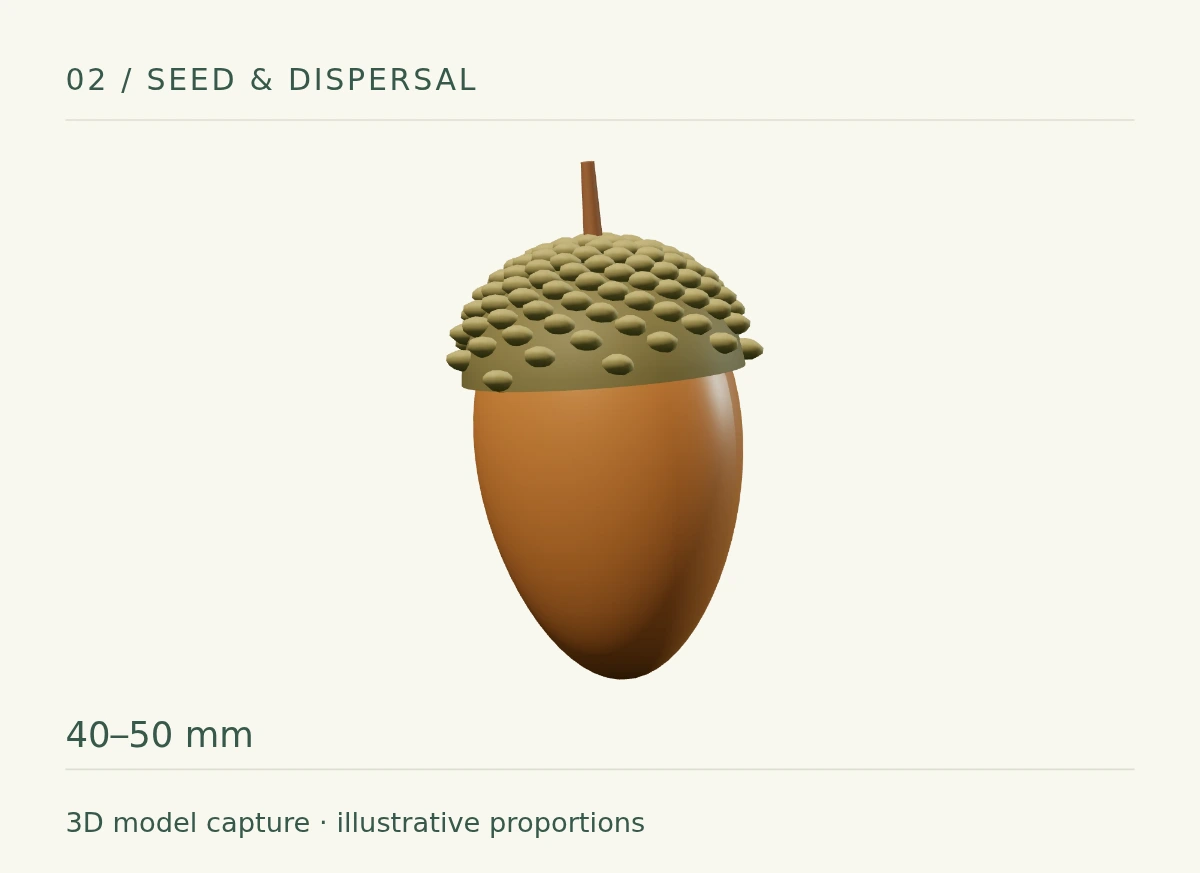
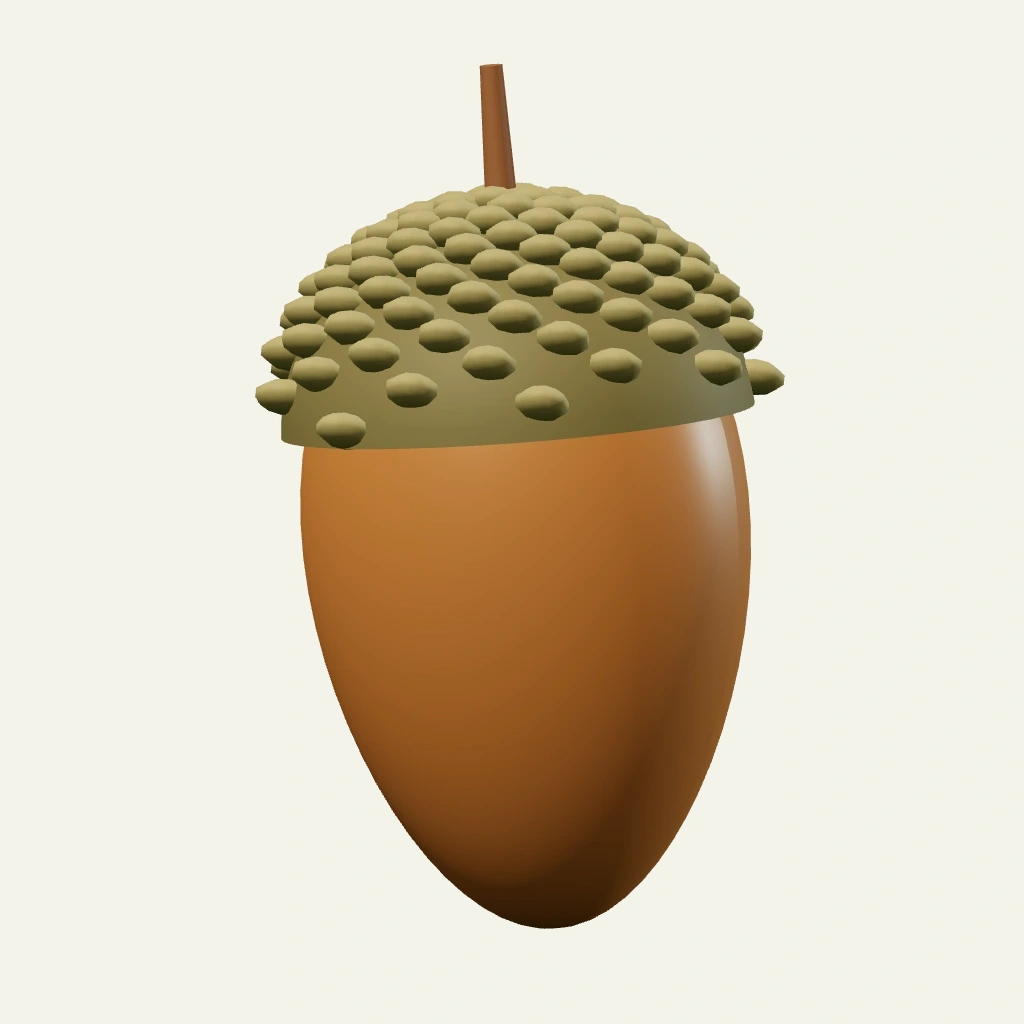
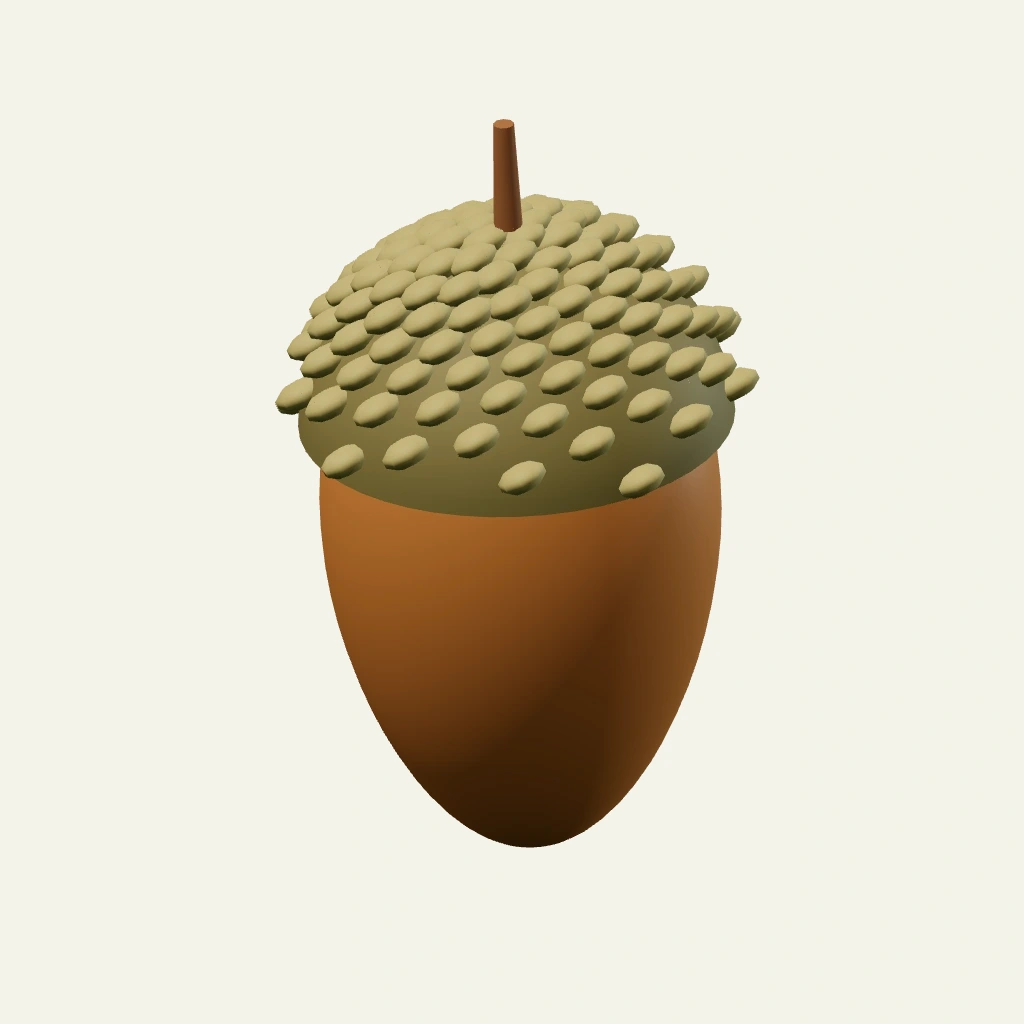
Acorn · fruit
- Acorn length · fruit
- 40–50 mmSource notes
Acorns develop in cupules; the nut and cup are distinct structures. Length of the named reproductive unit, not the enclosed seed body.
- Fruiting reference
- Not documented
Organs are enlarged independently. Refer to the named measurement, not image size.
05 / Habitat
Native range & growing context
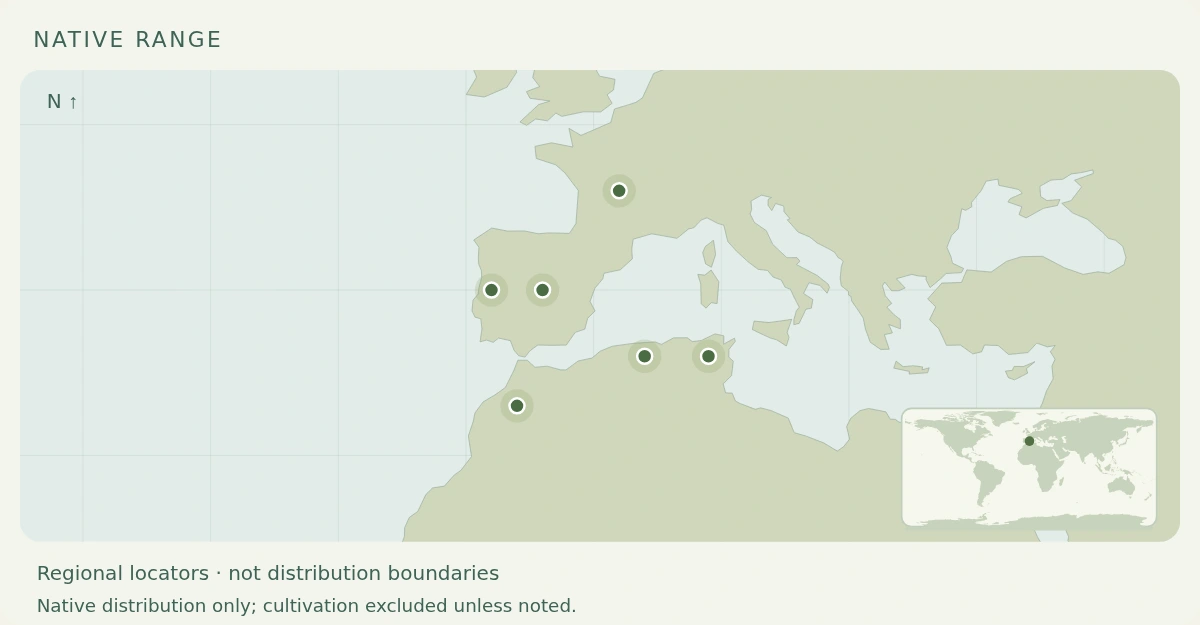
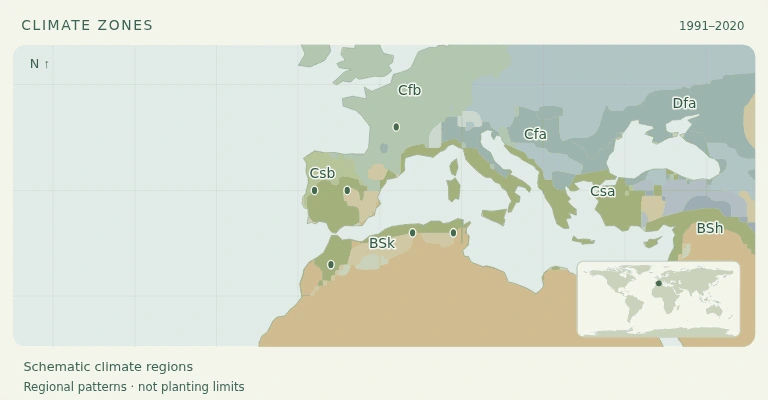
Native range & growing context
Spain; Portugal; France; Algeria; Tunisia; Morocco.
- Reference spread
- Not documented
- Moisture
- Not documented
- Growth tendency
- Not quantified in this account.
- Life span
- No numerical lifespan is assigned. Model age controls an illustration.
Regional context, not a measured occurrence or suitability map.
06 / Sources & interpretation
Read the evidence behind the illustration
Names & classification
- Family
- Fagaceae
- Genus
- Quercus
- Synonyms
- —
- Simple lanceolate blades; entire to sparsely toothed margins.
- Acorns develop in cupules; the nut and cup are distinct structures.
Source-informed botanical illustration. Branch coordinates, crown proportions, colours, root extents and model ages are ArborAI. Leaves are enlarged for legibility. This is not a surveyed specimen or a calibrated growth forecast.
Source-informed botanical illustration. Branch coordinates, crown proportions, colours, root extents and model ages are ArborAI. Leaves are enlarged for legibility. This is not a surveyed specimen or a calibrated growth forecast.
- International Dendrology Society · Quercus rotundifolia ↗www.treesandshrubsonline.org
- GBIF backbone · Quercus rotundifolia ↗www.gbif.org
Plant data and references · 13
| Heightm | [8, 15]Usually 8–12 m; the account includes occasional trees to 15 m.www.treesandshrubsonline.org |
|---|---|
| Spreadm | Not documentedUsually 8–12 m; the account includes occasional trees to 15 m.www.treesandshrubsonline.org |
| Nativerange | Spain; Portugal; France; Algeria; Tunisia; Morocco.Usually 8–12 m; the account includes occasional trees to 15 m.www.treesandshrubsonline.org |
| Leafhabitcategory | EvergreenUsually 8–12 m; the account includes occasional trees to 15 m.www.treesandshrubsonline.org |
| Architecture leaves | Simple lanceolate blades; entire to sparsely toothed margins.Usually 8–12 m; the account includes occasional trees to 15 m.www.treesandshrubsonline.org |
| Architecture reproduction | Acorns develop in cupules; the nut and cup are distinct structures.Usually 8–12 m; the account includes occasional trees to 15 m.www.treesandshrubsonline.org |
| Botany organs leaf lengthmm | [12, 65]Usually 8–12 m; the account includes occasional trees to 15 m.www.treesandshrubsonline.org |
| Botany organs seed lengthmm | [40, 50]Length of the named reproductive unit, not the enclosed seed body.www.treesandshrubsonline.org |
| Botany shoot arrangementcategory | alternateUsually 8–12 m; the account includes occasional trees to 15 m.www.treesandshrubsonline.org |
| Taxonomy familycategory | FagaceaeUsually 8–12 m; the account includes occasional trees to 15 m.www.gbif.org |
| Lightcategory | []Usually 8–12 m; the account includes occasional trees to 15 m.www.treesandshrubsonline.org |
| Moisturecategory | []Usually 8–12 m; the account includes occasional trees to 15 m.www.treesandshrubsonline.org |
| Hardinesscategory | {"system": "USDA", "zones": [7, null], "source": "ids", "zoneLabels": ["7", null], "basis": "reported-minimum", "sourceReported": "7"}Usually 8–12 m; the account includes occasional trees to 15 m.www.treesandshrubsonline.org |