Arbor.guide

Botanical field guide

Abies alba

Silver fir

0898 / 2,347

Tree / Pinaceae

The plant, in detail

Cool, moist European mountain forests; growth responds strongly to site and exposure.

Reference height
30–50 m
Foliage habit
Evergreen
USDA zones
4–7
Light
Not documented

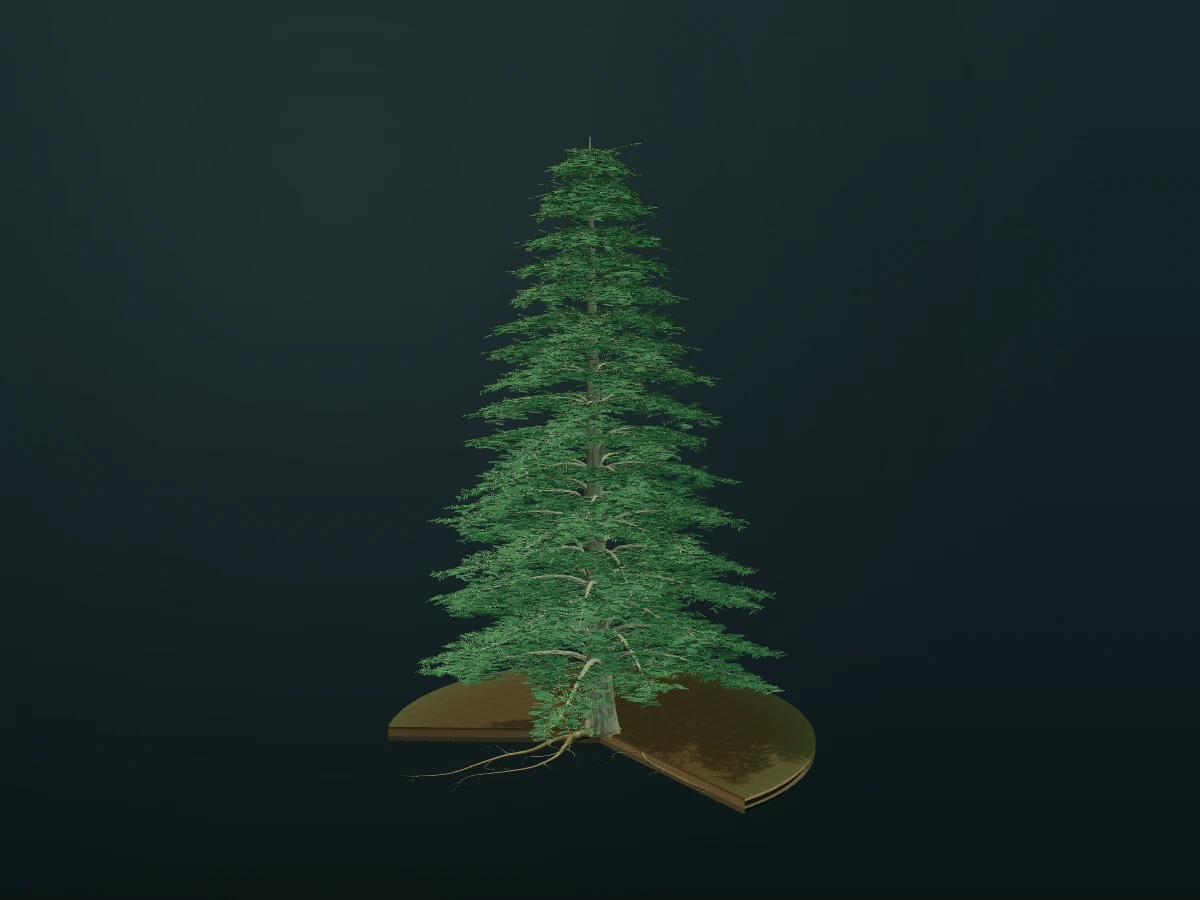
A reference-informed 3D reconstruction rather than a scanned tree. Geometry, leaf counts, root dimensions and age trajectories are ArborAI. Site effects, damage and physiological processes are not calibrated.

Crown

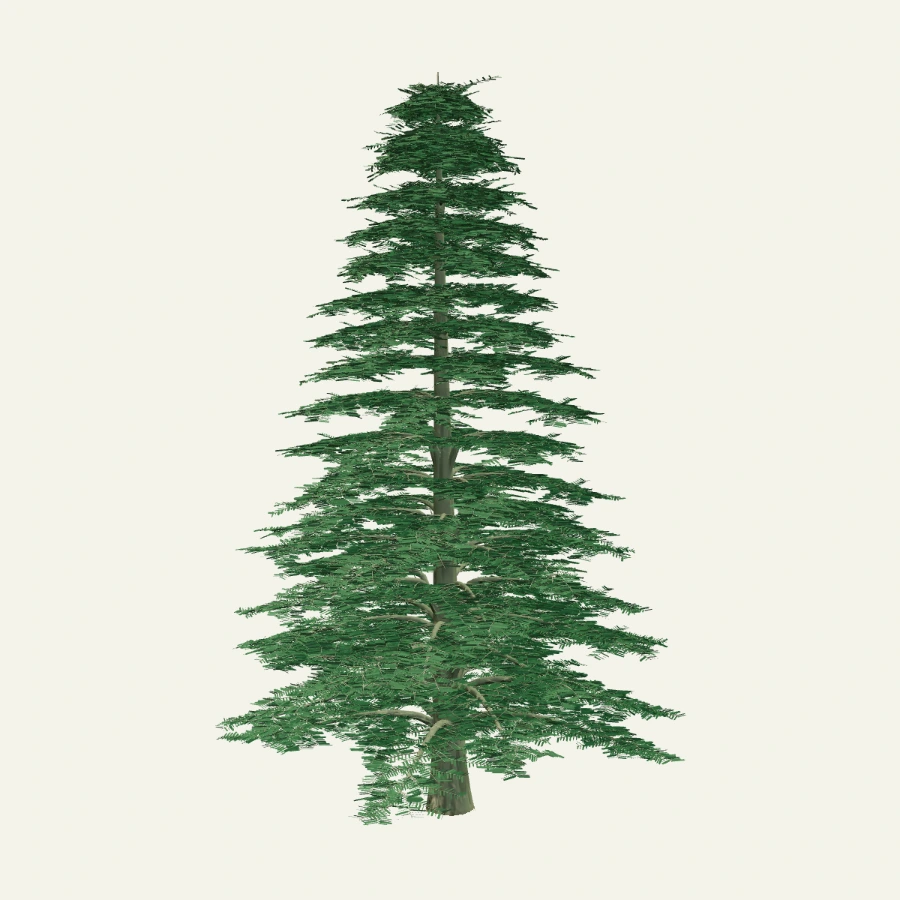
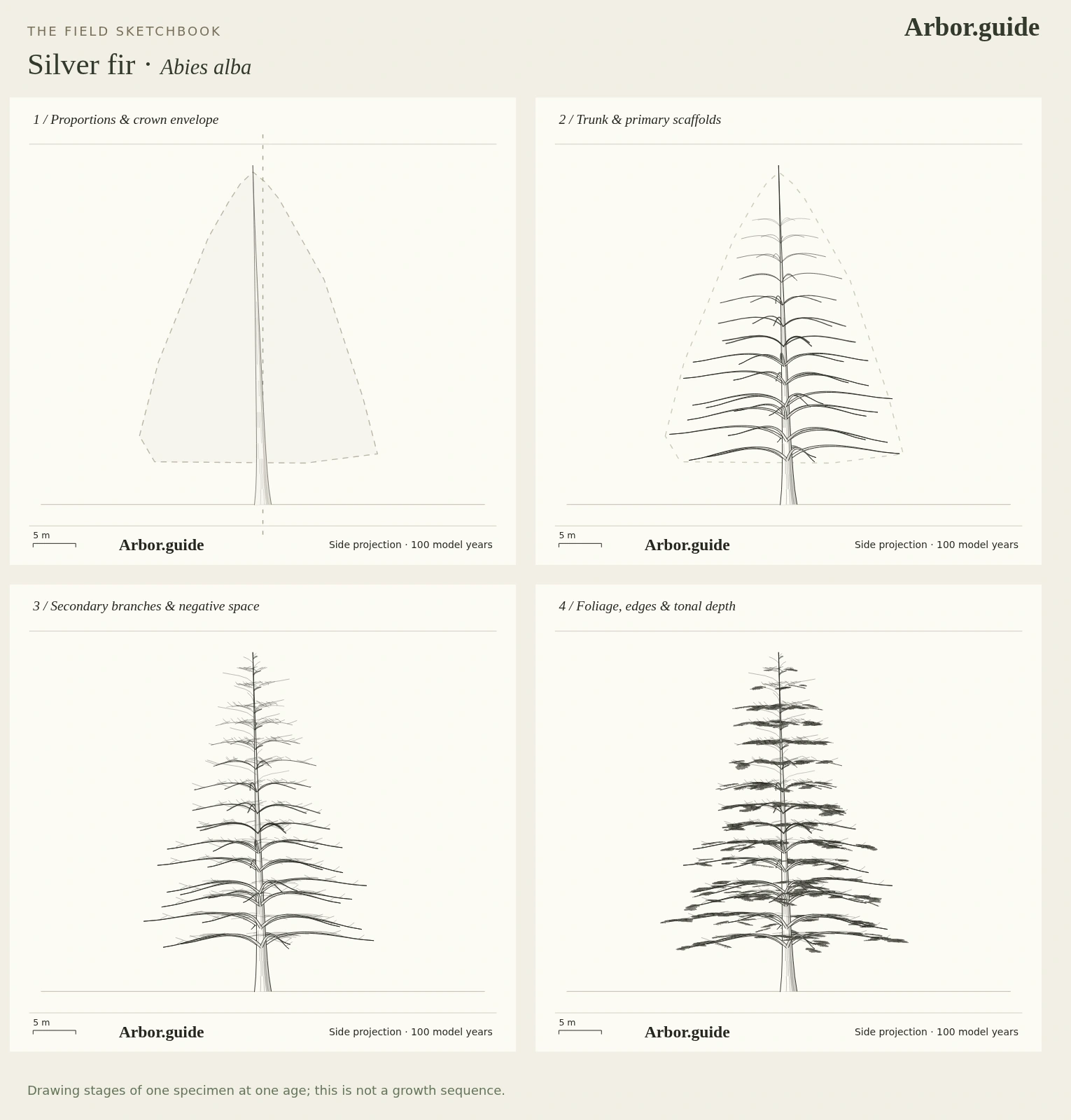
A straight leader supports a conical crown; old crowns can broaden or flatten.

Branching

Tiered laterals carry flattened-looking needle sprays; branch survival responds to shade.

Bark

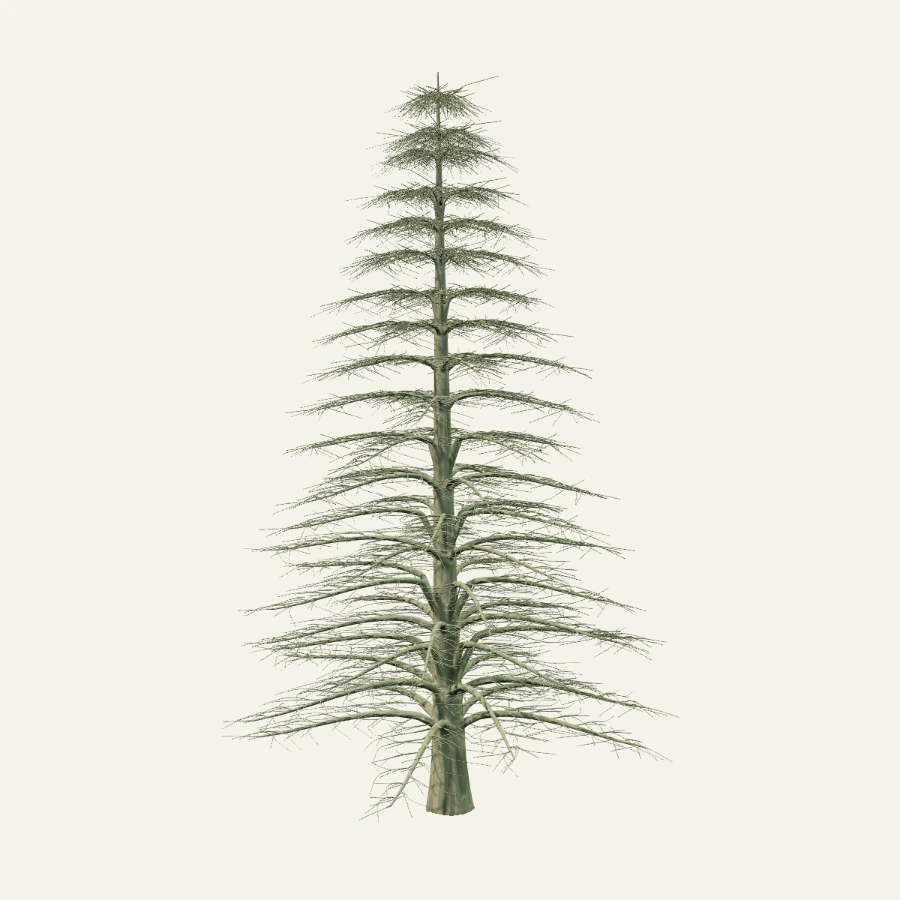
Young bark is pale gray and relatively smooth; older bases become more fissured.

Roots

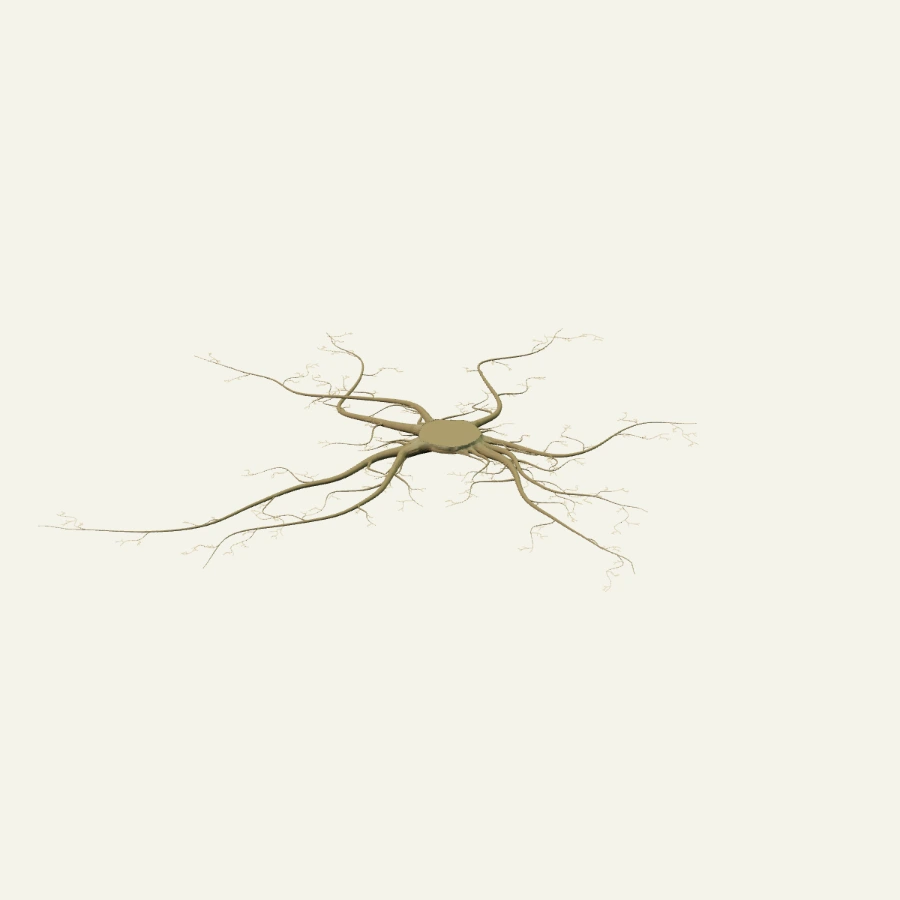
A well-developed system of descending and lateral roots can form in suitable soils; shallow bedrock restricts depth.

The shape of growth

Stylized real-world examples

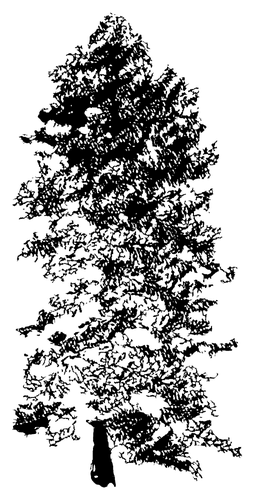
  • Tree silhouette 1
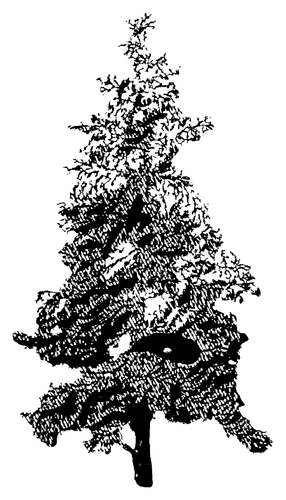
  • Tree silhouette 2

Silhouettes are sized independently.

Root studies

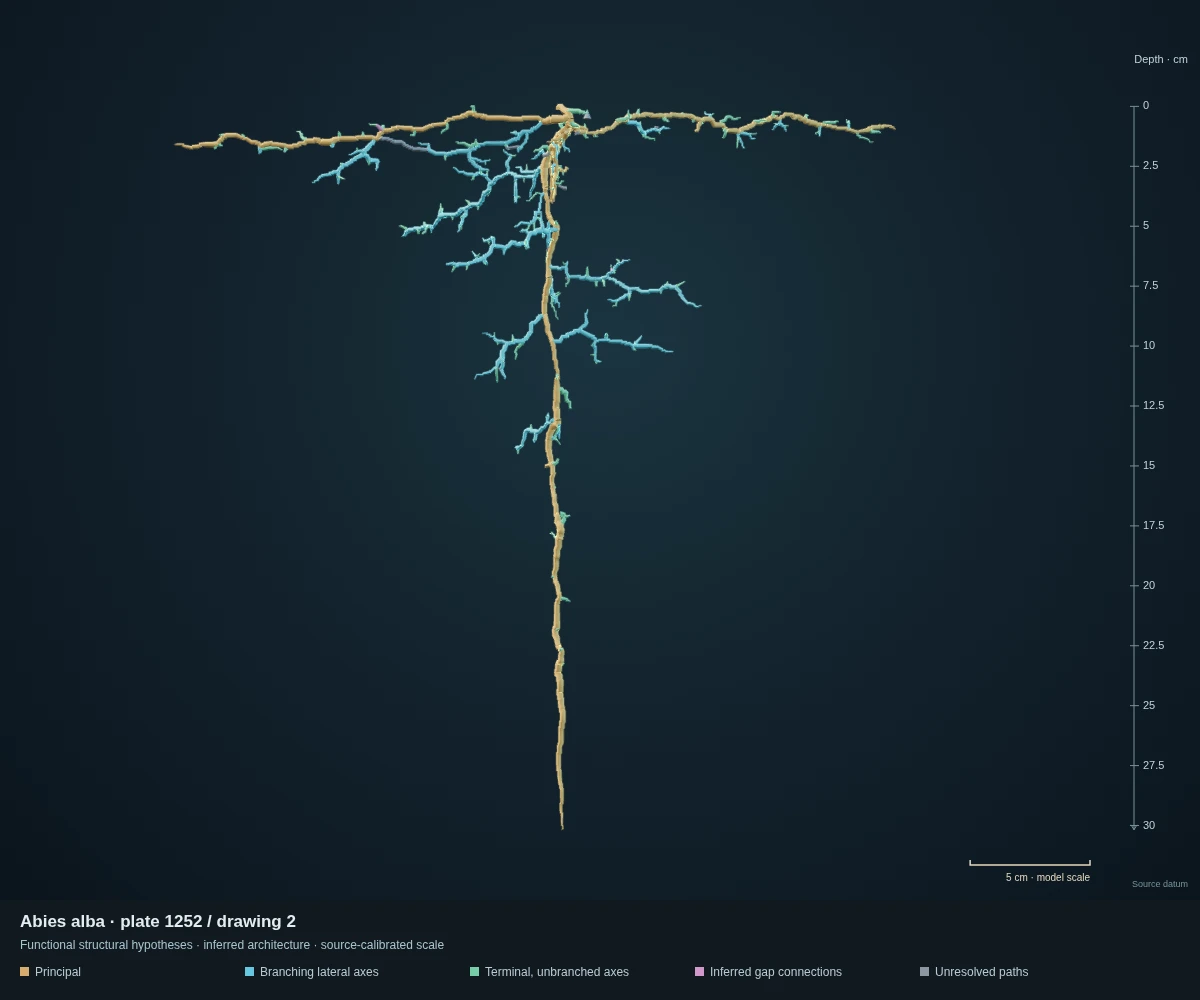
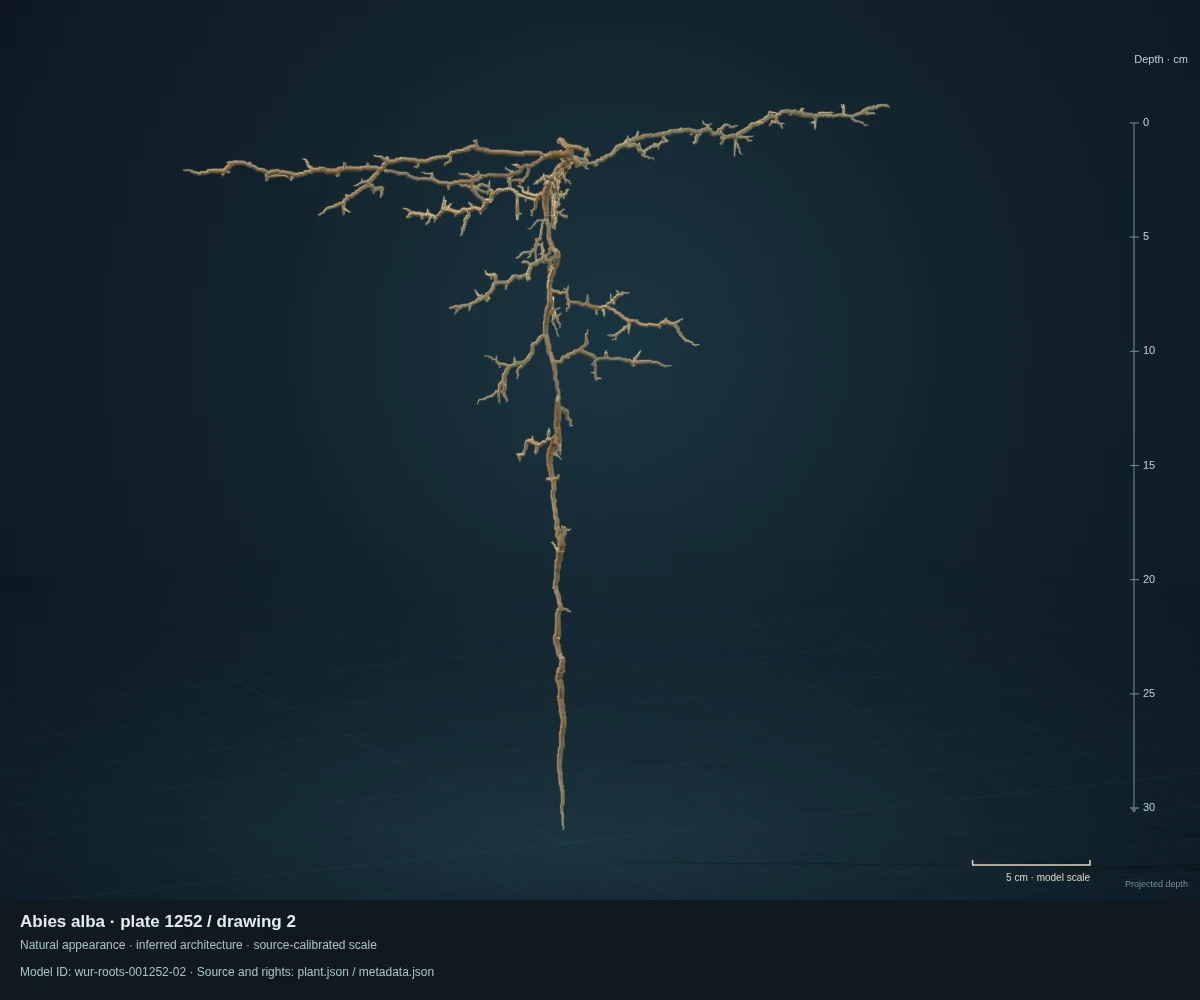
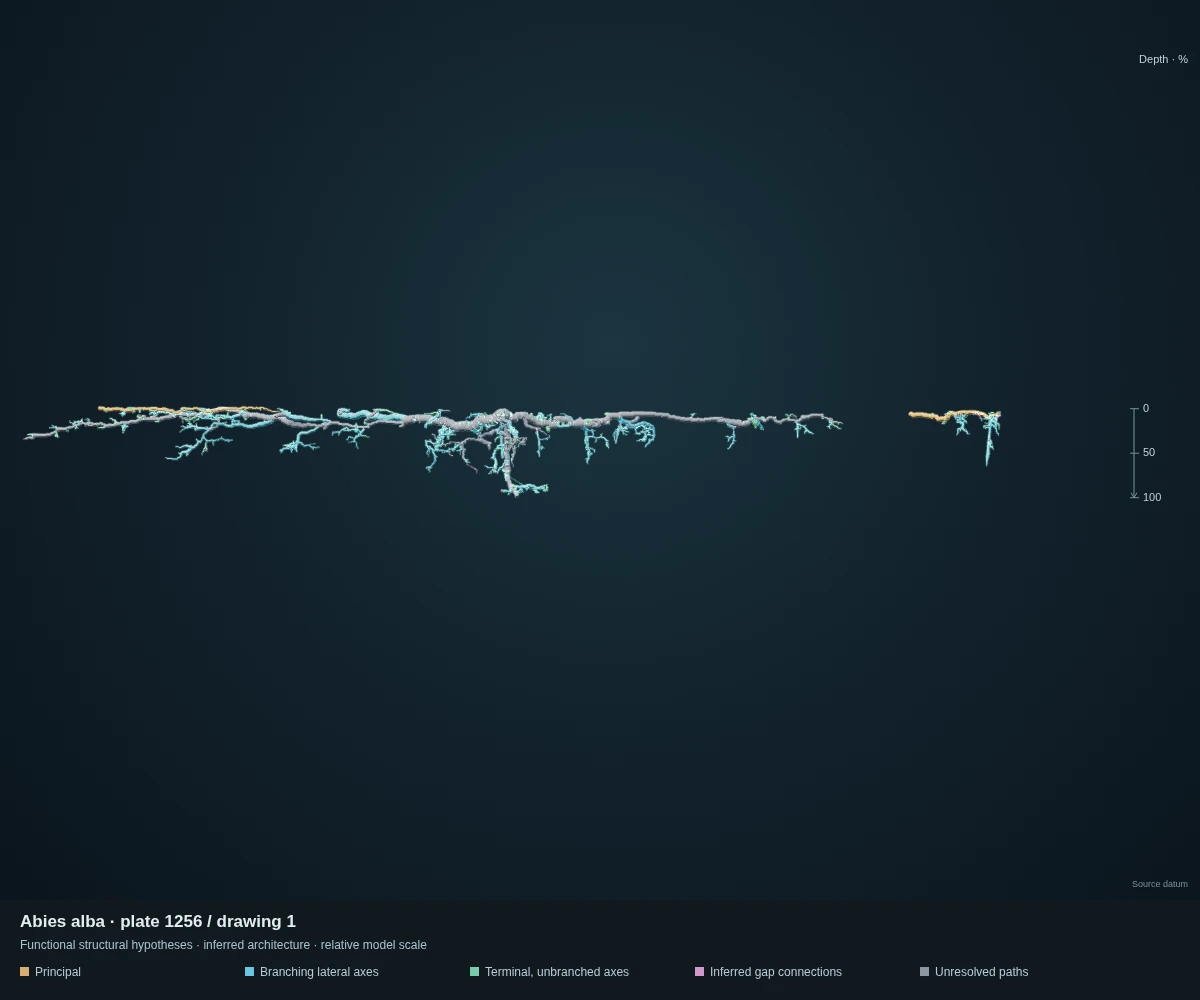
These reconstructions follow archived root drawings. Colour identifies the modelled structural role of each root.

Functional view
Natural view
Source projection
Side view
Calibration
Source-calibrated
Vertical extent
30.2 cm
Inferred axes
255
Model metrics and plate observations

Model metrics

Depth follows the printed scale. Equal horizontal scale and hidden depth are modeling assumptions; root thickness is illustrative.

Vertical extent
30.2 cm
Horizontal span (x)
15.5 cm
Horizontal span (z)
31 cm
Centreline length
2.69 m
Inferred axes
255
Branching sites
252
Terminal paths
261
Mean modelled diameter
1.4 mm
Surface area proxy
119 cm²
Volume proxy
5 cm³
Inferred connection length
6.65 mm
Projected length
2.56 m
Mean angle from vertical
51.7°

Dimensions reported on the source plate

Plant height
1275 cm plate_1252
Root depth
280 cm plate_1252
Root-system diameter
1250 cm plate_1252

Drawing observations

  • few lateral branches near top
  • long descending axis below stem
  • slightly sinuous
  • tapers downward
  • emerge at several depths
  • spread to both sides near ground line
  • more abundant in upper than lowermost root segment
  • exceeds shoot height in this view
  • extends below 25 cm axis level

Biologically constrained spatial reconstruction from source morphology. Root azimuths, hidden placement, growth responses, circular sections, thickness and proposed connections are inferred. The separate source trace retains exact drawing coordinates. No measured 3D anatomy or observed growth sequence is claimed.
Source and attribution

Study 1252 · Model 02

Abies alba · Wageningen University & Research archive

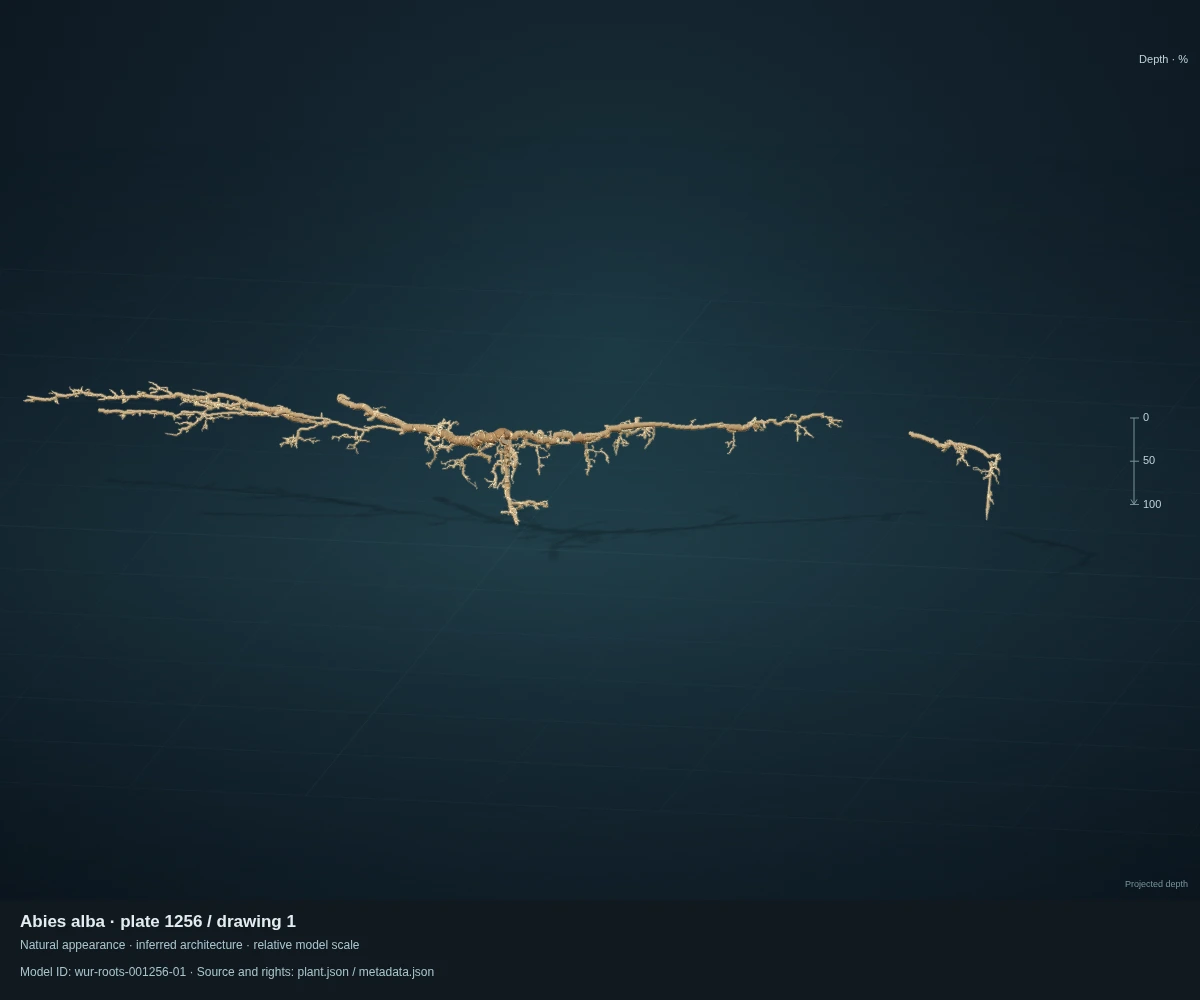
Functional view
Natural view
Source projection
Side view
Calibration
Unresolved scale
Vertical extent
0.0841 model units
Inferred axes
558
Model metrics and plate observations

Model metrics

No metric calibration; values are in normalized model coordinates.

Vertical extent
0.0841 model units
Horizontal span (x)
0.979 model units
Horizontal span (z)
0.209 model units
Centreline length
7.06 model units
Inferred axes
558
Branching sites
522
Terminal paths
534
Mean modelled diameter
0.00233 model units
Surface area proxy
0.0524 model units²
Volume proxy
0.0000466 model units³
Inferred connection length
0.0891 model units
Projected length
6.47 model units
Mean angle from vertical
59.0°

Dimensions reported on the source plate

Plant height
1648 cm plate_1256
Root depth
188 cm plate_1256
Root-system diameter
2120 cm plate_1256

Drawing observations

  • approximately horizontal
  • very wide and shallow except beneath stem
  • several long near horizontal axes to both sides
  • repeated fine branches along long axes
  • thick axis below stem with many small side branches
  • divides into short laterally spreading branches
  • has a pronounced downward loop

Biologically constrained spatial reconstruction from source morphology. Root azimuths, hidden placement, growth responses, circular sections, thickness and proposed connections are inferred. The separate source trace retains exact drawing coordinates. No measured 3D anatomy or observed growth sequence is claimed.
Source and attribution

Study 1256 · Model 01

Abies alba · Wageningen University & Research archive

02 / Seasons

Through the seasons

Four portraits. One plant.

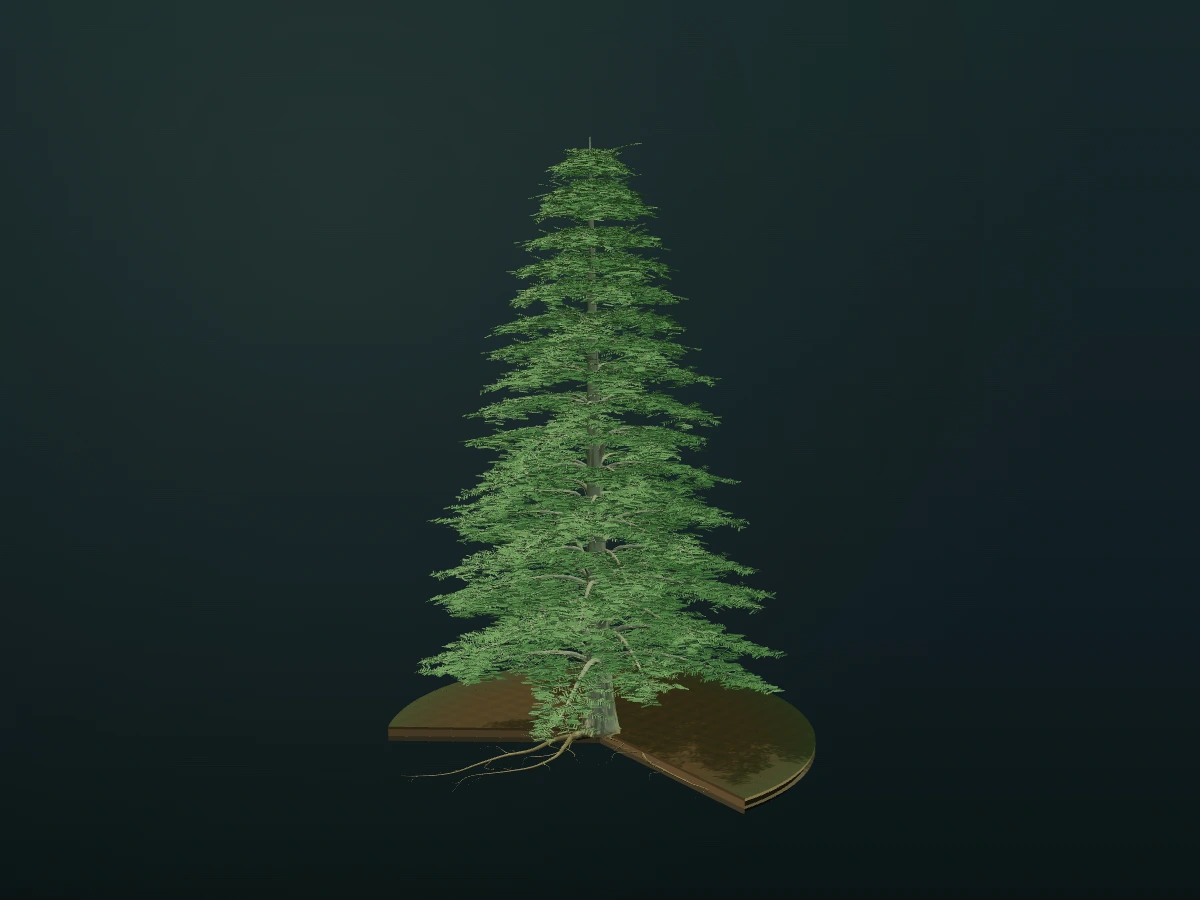
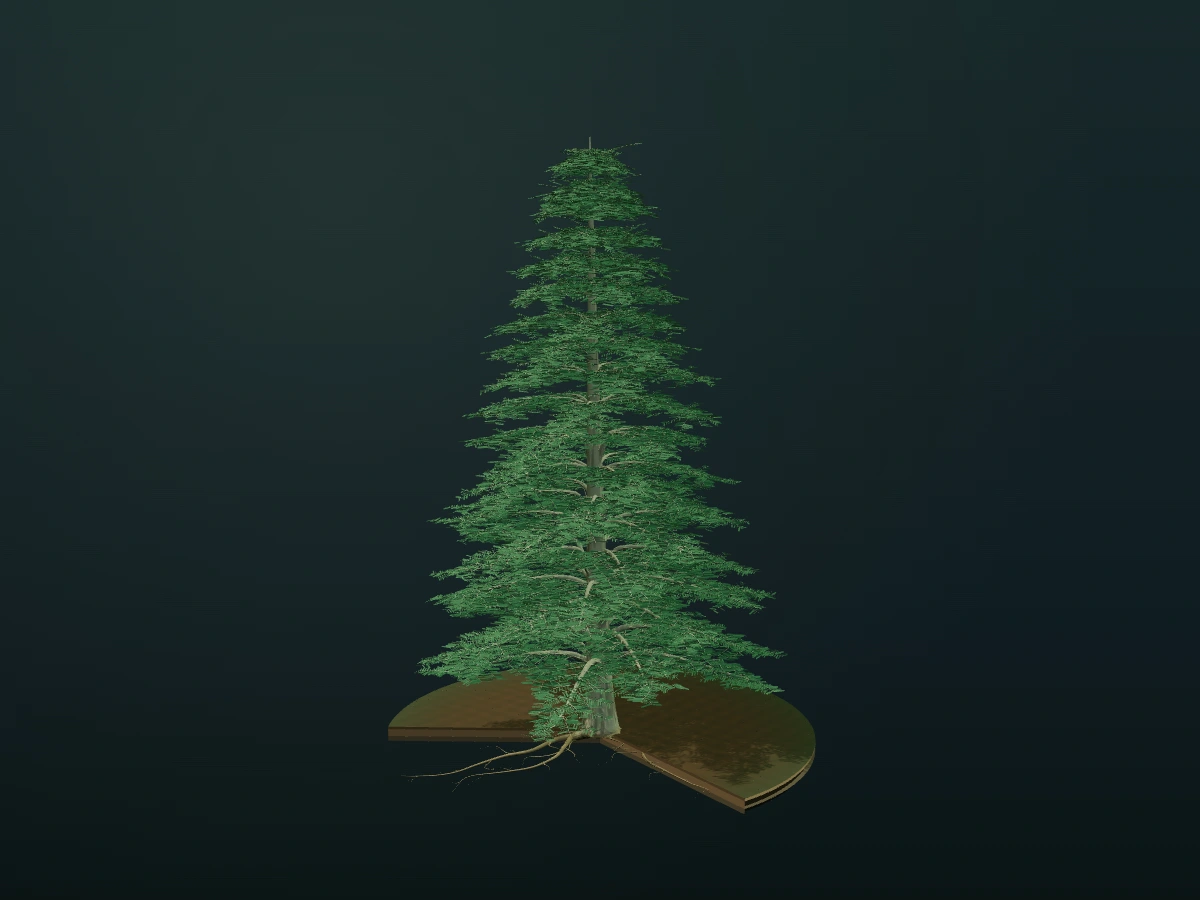
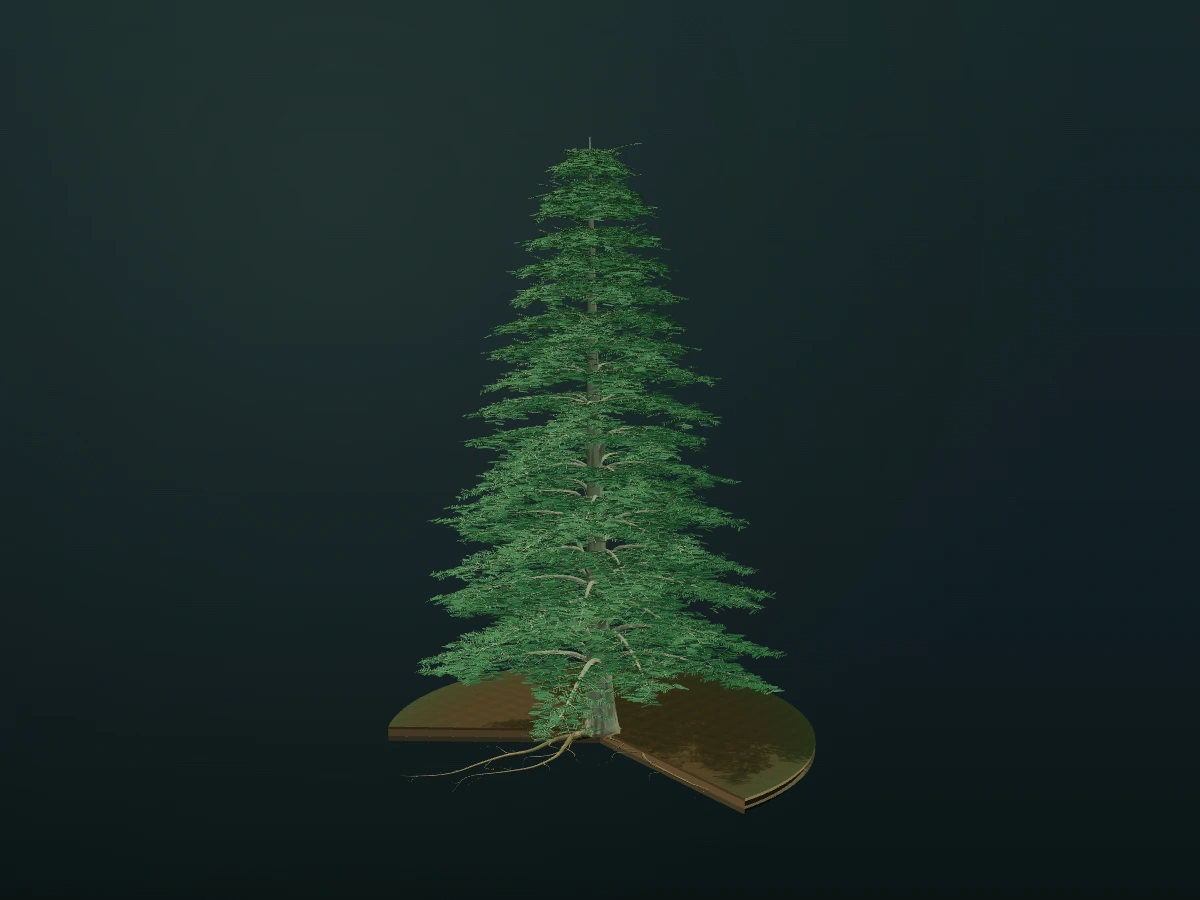
Read the crown, foliage and reproductive structures together. The four views compare seasonal appearances; the reference notes explain what is actually documented.

Seasonal illustration; the same plant, age and camera across four views.

Seasonal record

Reference region not specified in this record.

Flowering
This is a gymnosperm. Seeds and/or cones are its reproductive structures; they are not flowers or botanical fruits.[1]
Seed / cone development
Timing not documented

Leaf renewal

Evergreen[1]

A green canopy can persist while individual leaves age and are replaced. Evergreen does not mean that every leaf lasts indefinitely or that flowering and fruiting are continuous.

Reading these views

Season names organize these four views, not a universal calendar. Hemisphere, local climate, cultivar and management can change timing; months are shown only when explicitly recorded.

The views emphasize crown structure. Buds, small flowers, individual retained leaves and fine reproductive changes may be unresolved; model age and fruit count are not production forecasts.

No separate on-tree fruit display is configured for this record.

Seasonal references

  1. NC State Extension · Silver fir ↗plants.ces.ncsu.edu
  2. www.conifers.org ↗www.conifers.org

03 / Foliage

A closer look at the organs

Leaves

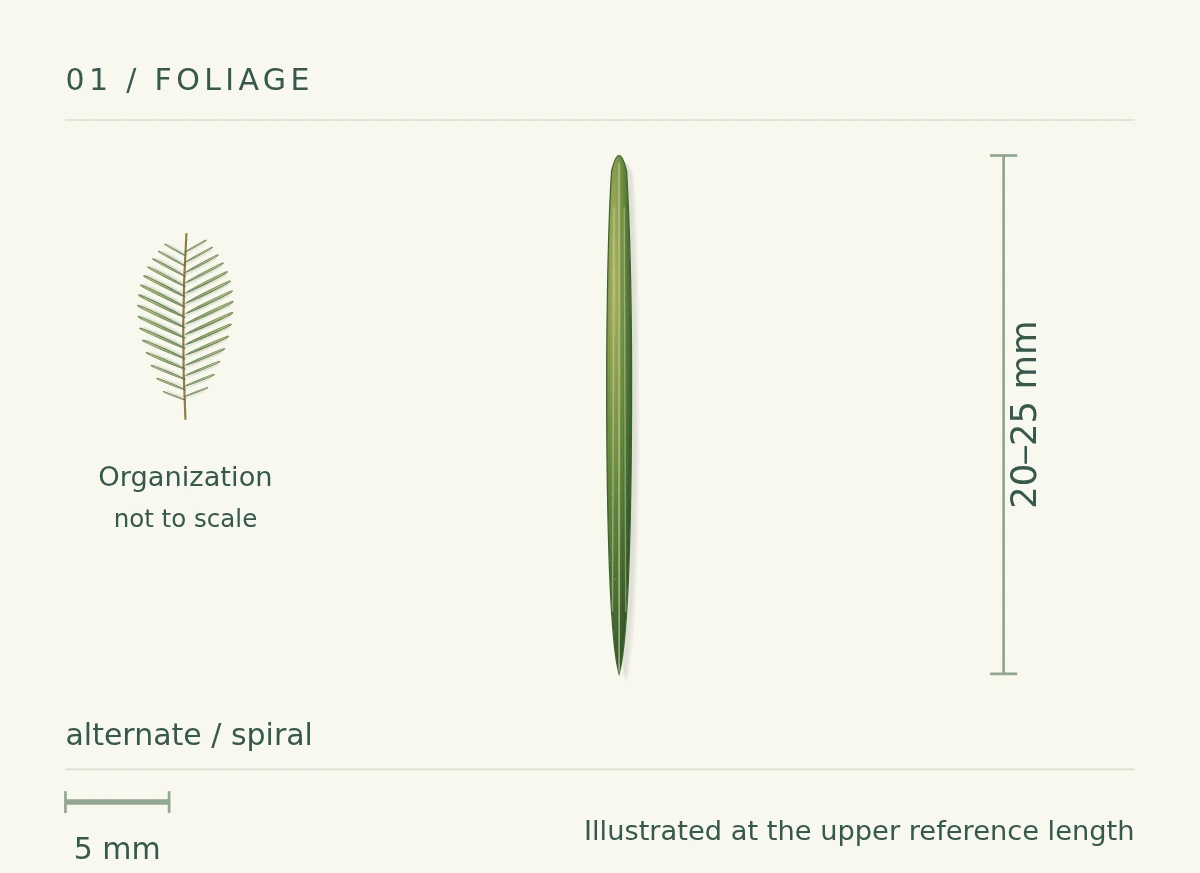
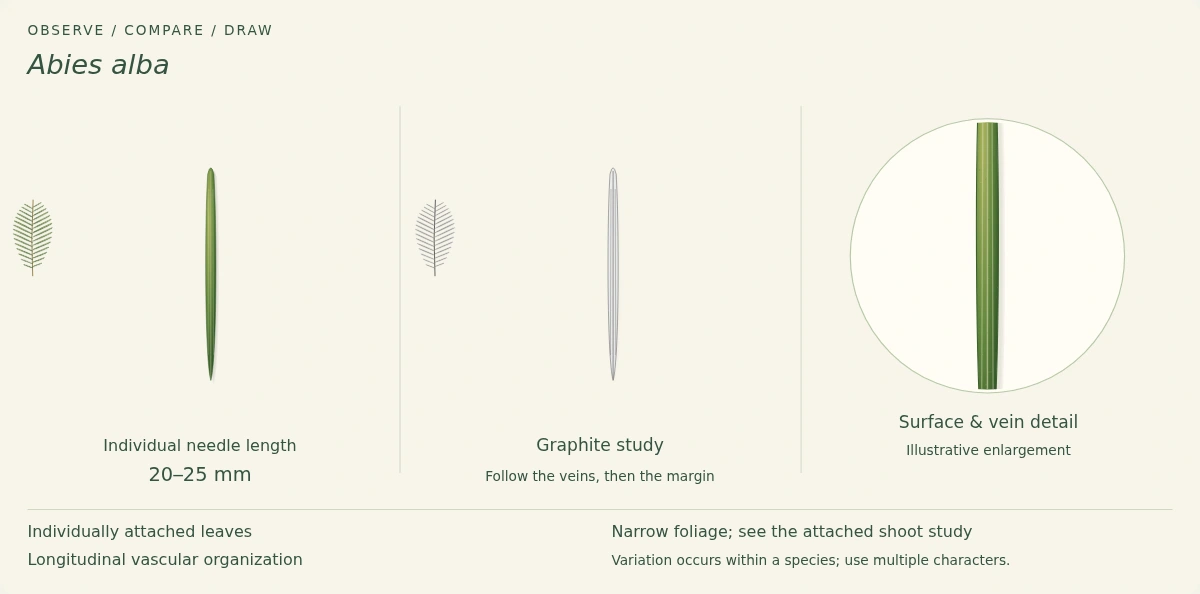
Individual needle length
20–25 mmSource notes

Flat evergreen needles commonly show two pale stomatal bands beneath and a notched or blunt tip.

Individually attached leaves · Narrow foliage; see the attached shoot study · Longitudinal vascular organization · alternate / spiral

Seasonal notes

A green crown persists while older leaf cohorts are replaced. The small ochre patches illustrate turnover; their size and timing are not measured.

04 / Fruit & seed

Named structures, separate scales

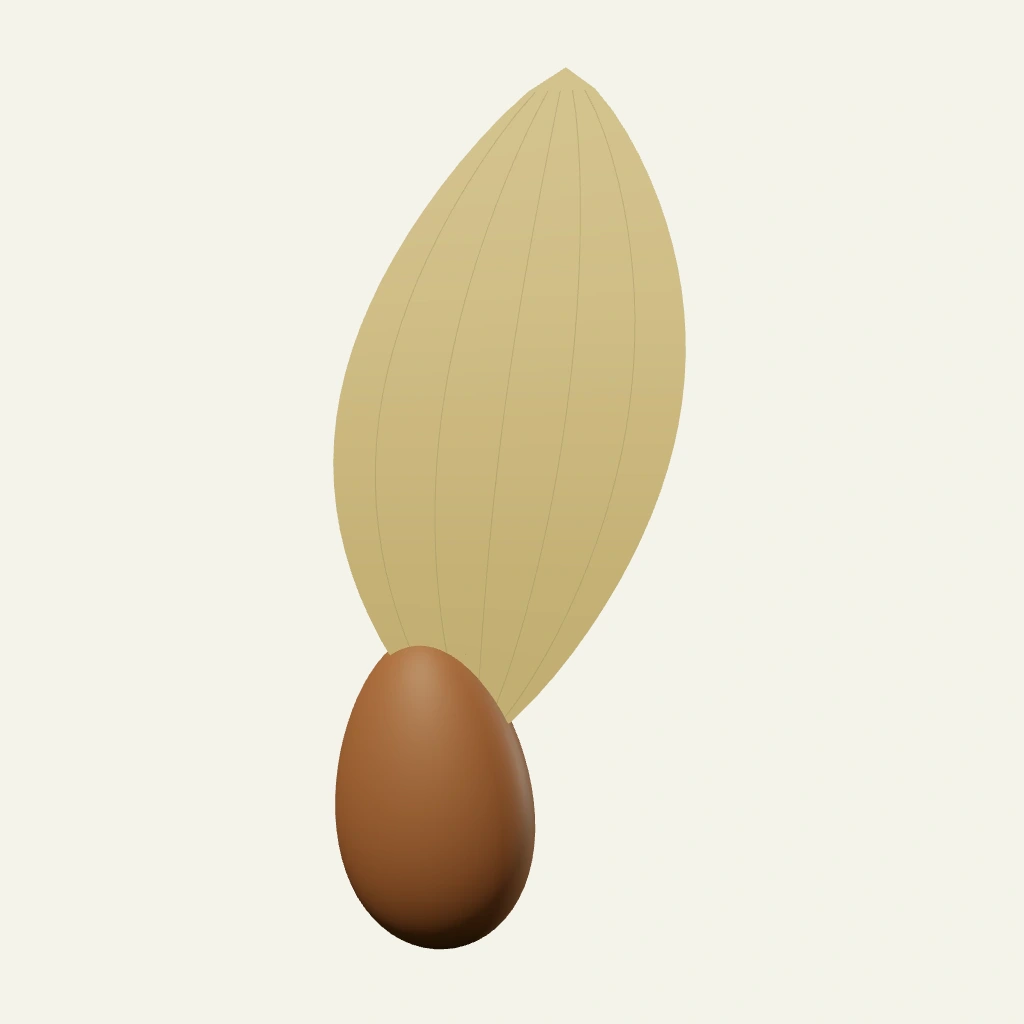
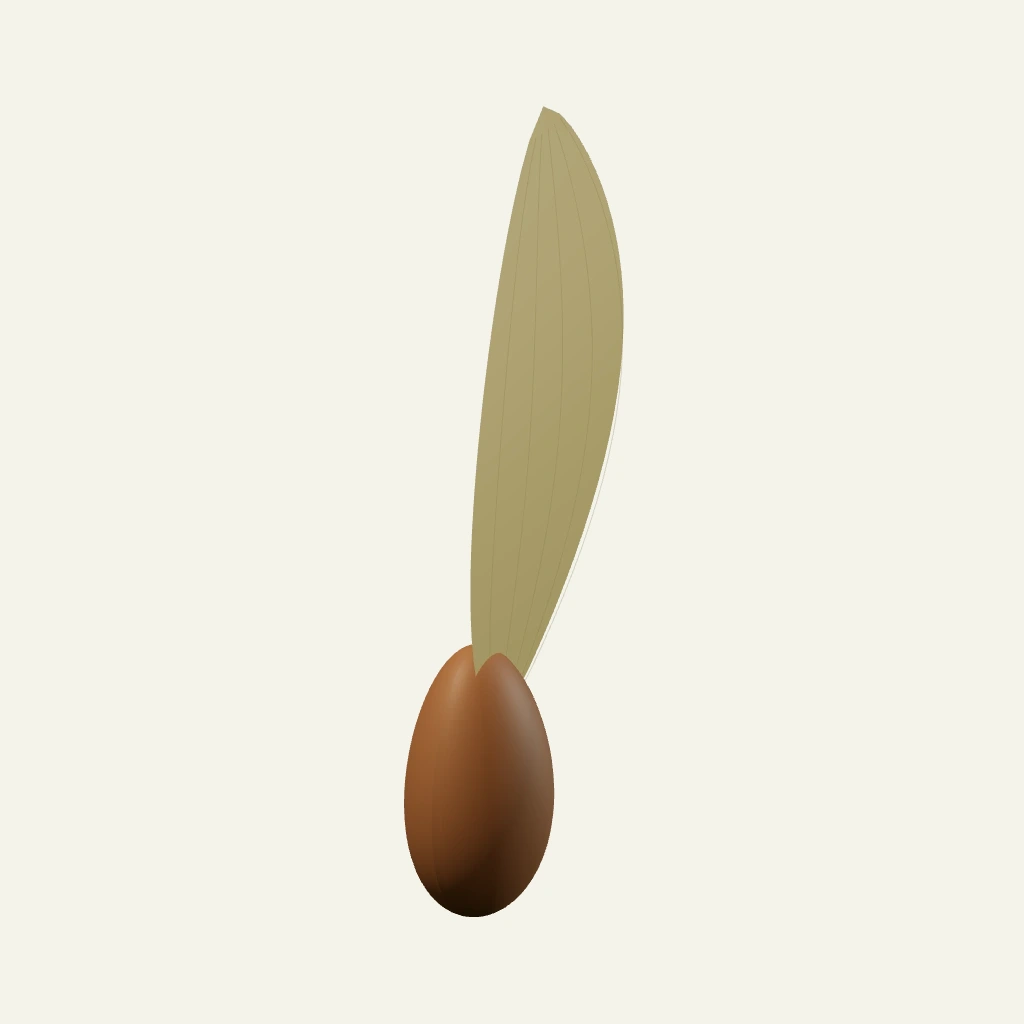
Seed

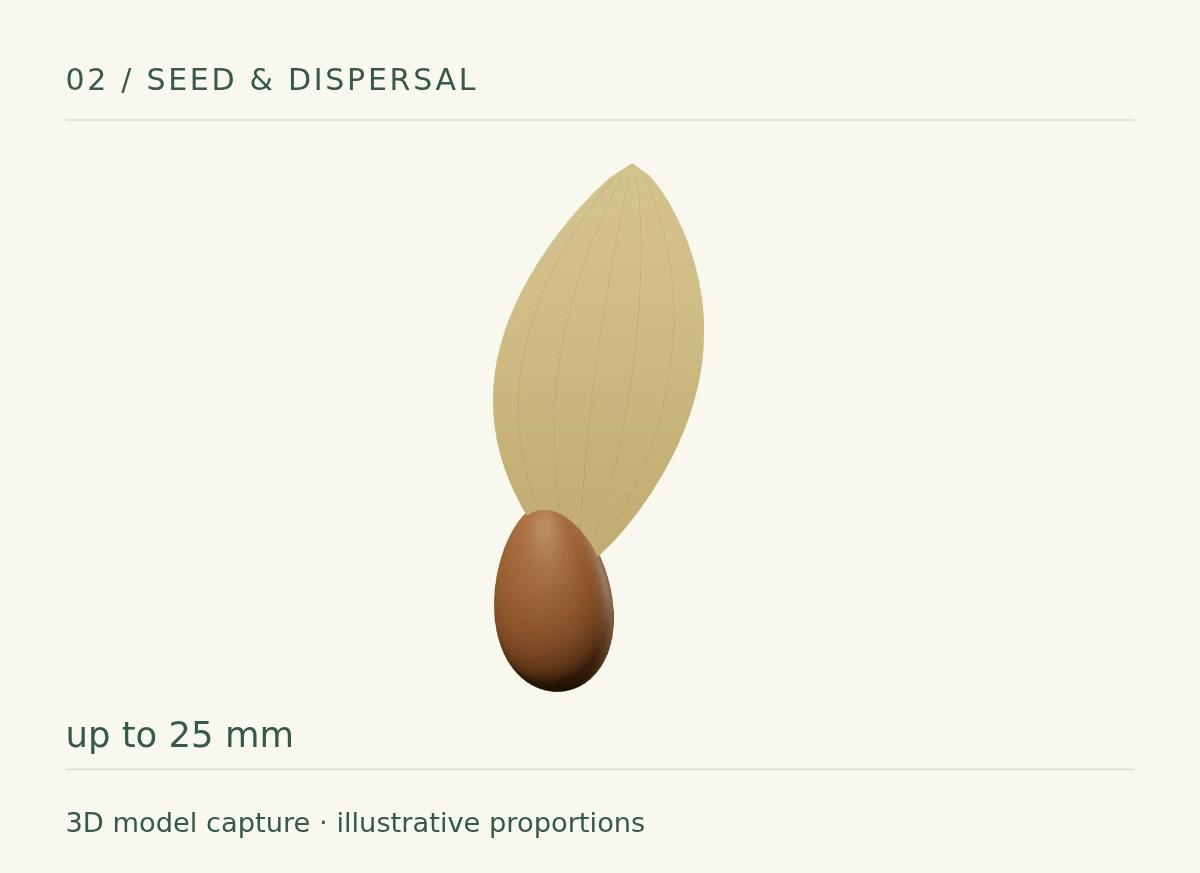
Seed including wing
≤ 25 mmSource notes

The papery wing aids dispersal. The seed body is the compact darker part.

Fruiting reference
Not documented

Organs are enlarged independently. Refer to the named measurement, not image size.

05 / Habitat

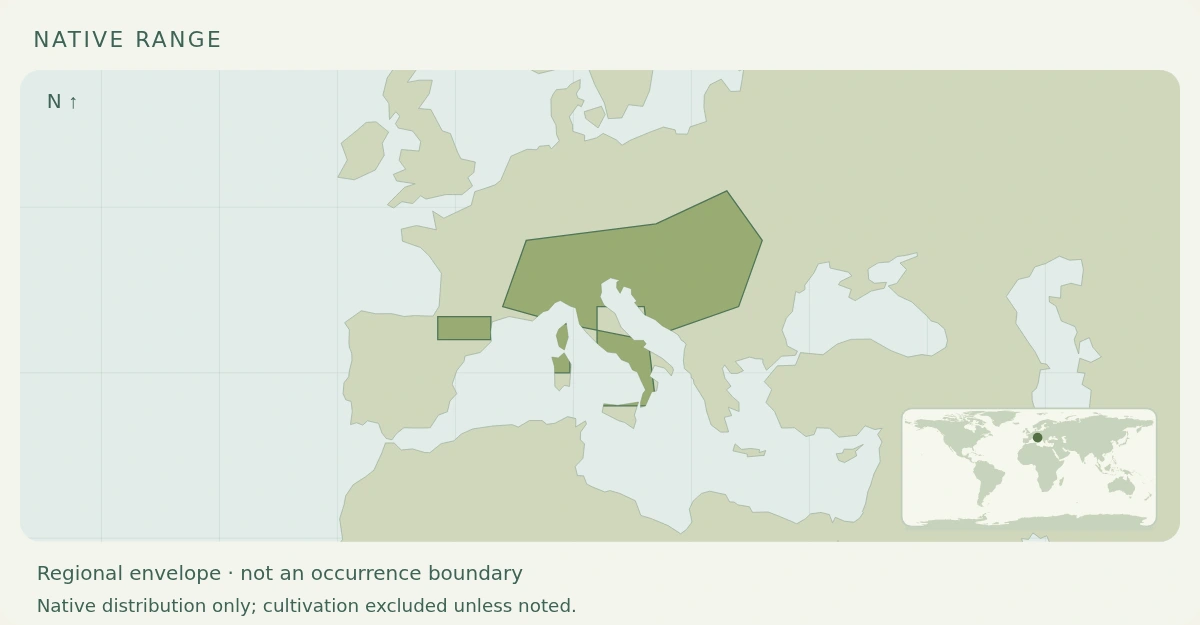
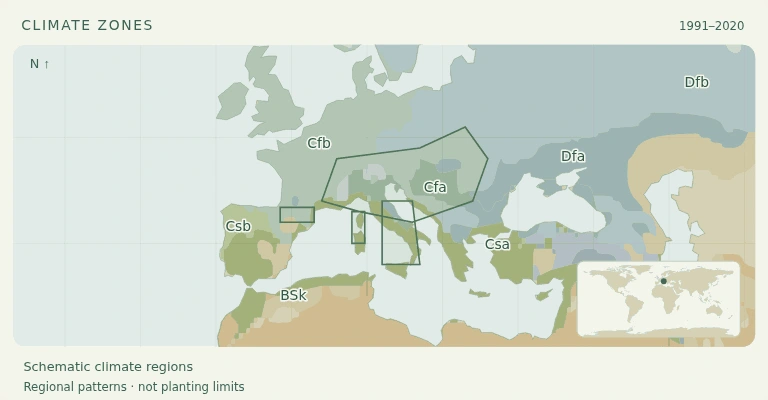
Native range & growing context

Native range & growing context

Mountain regions of central and southern Europe.

Reference spread
Not documented
Moisture
Not documented
Growth tendency
Moderate
Life span
Potential longevity depends on site, damage and management; model years are not a survival forecast.

Regional context, not a measured occurrence or suitability map.

06 / Sources & interpretation

Read the evidence behind the illustration

Names & classification

Family
Pinaceae
Genus
Abies
Synonyms
—
  • Cone orientation and needle attachment help distinguish true firs from spruces.

A reference-informed 3D reconstruction rather than a scanned tree. Geometry, leaf counts, root dimensions and age trajectories are ArborAI. Site effects, damage and physiological processes are not calibrated.

ArborAI teaching geometry; coefficients and ages are not measured species constants.

  1. NC State Extension · Silver fir ↗plants.ces.ncsu.edu
Plant data and references · 4
Native rangeMountain regions of central and southern Europe.Transferred from the existing catalogue; independent botanical review remains pending.plants.ces.ncsu.edu
Leaf lengthmm[20, 25]Transferred from the existing catalogue; independent botanical review remains pending.plants.ces.ncsu.edu
Seed lengthmm[null, 25]Transferred from the existing catalogue; independent botanical review remains pending.www.conifers.org
Usda hardinesscategory{"system": "USDA", "zones": [4, 7], "source": "usda-hardiness", "subzones": ["4a", "7b"]}Reported horticultural recommendation; winter minimum only, not a heat or overall suitability limitplants.ces.ncsu.edu