Botanical field guide
Hesperocyparis bakeri
Baker cypress
Tree / Cupressaceae
The plant, in detail
On rocky slopes, groves occupy volcanic or serpentine soils in open conifer woodland and chaparral.
- Reference height
- 10–30 m
- Foliage habit
- Evergreen
- USDA zones
- Min 5 · maximum not documented
- Light
- Full sun
The US Forest Service gives a height range of 10–30 m for the species.
Crown
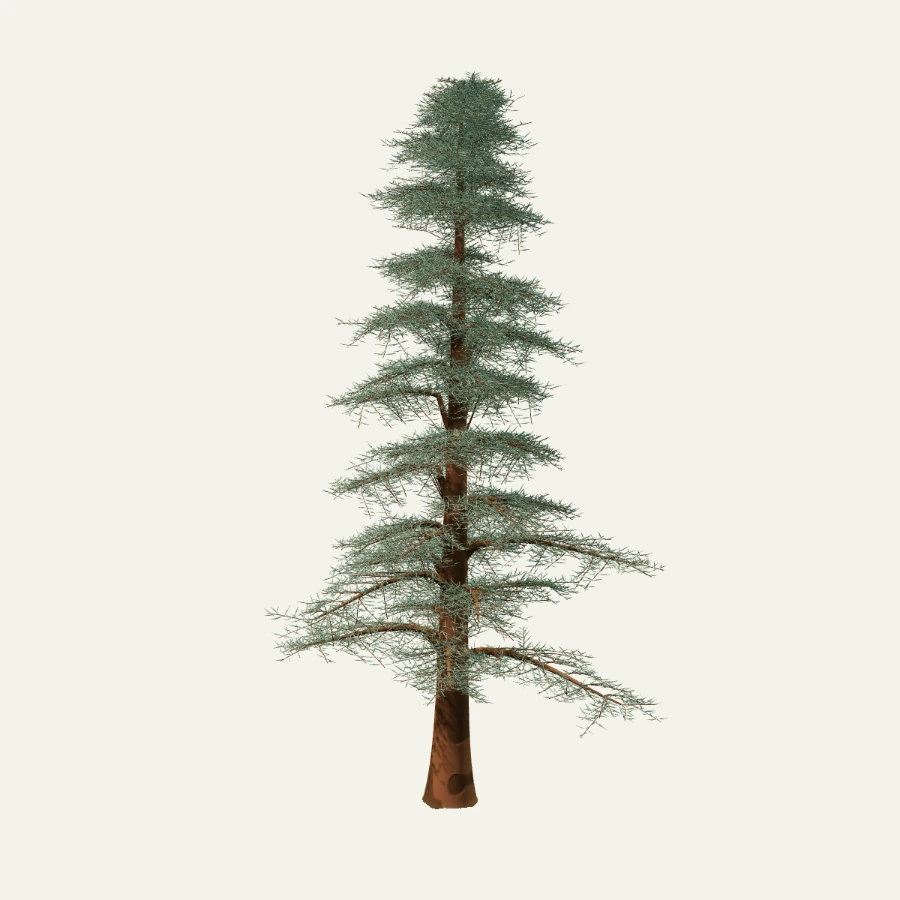
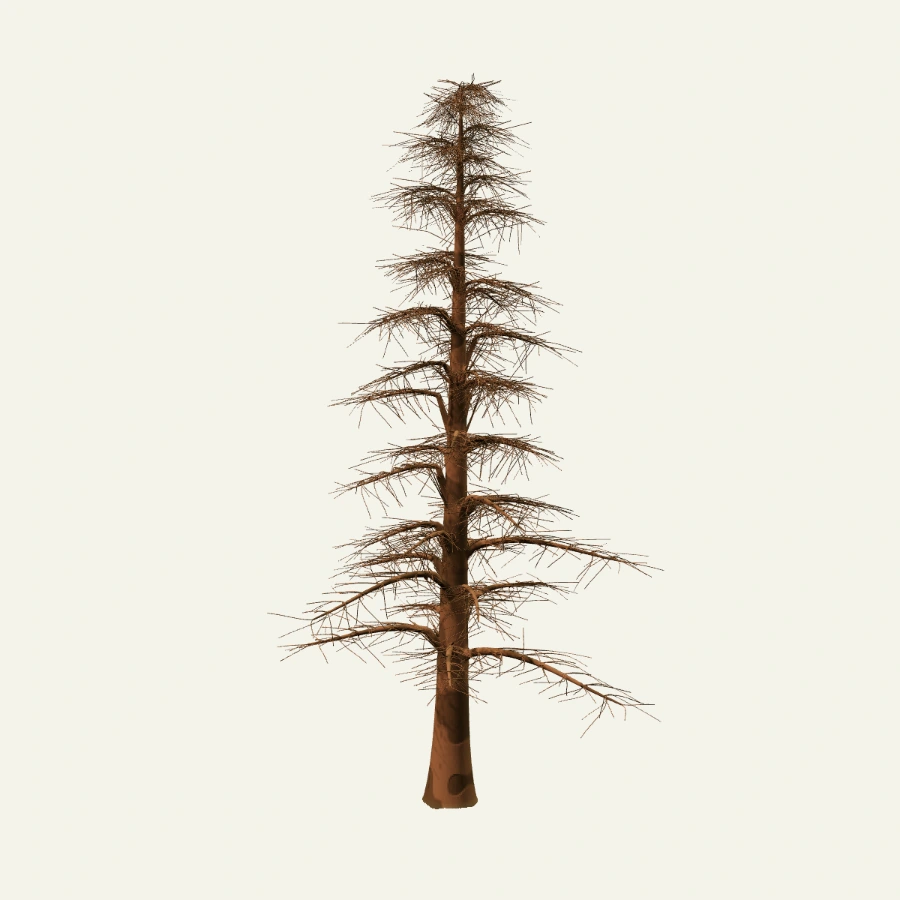
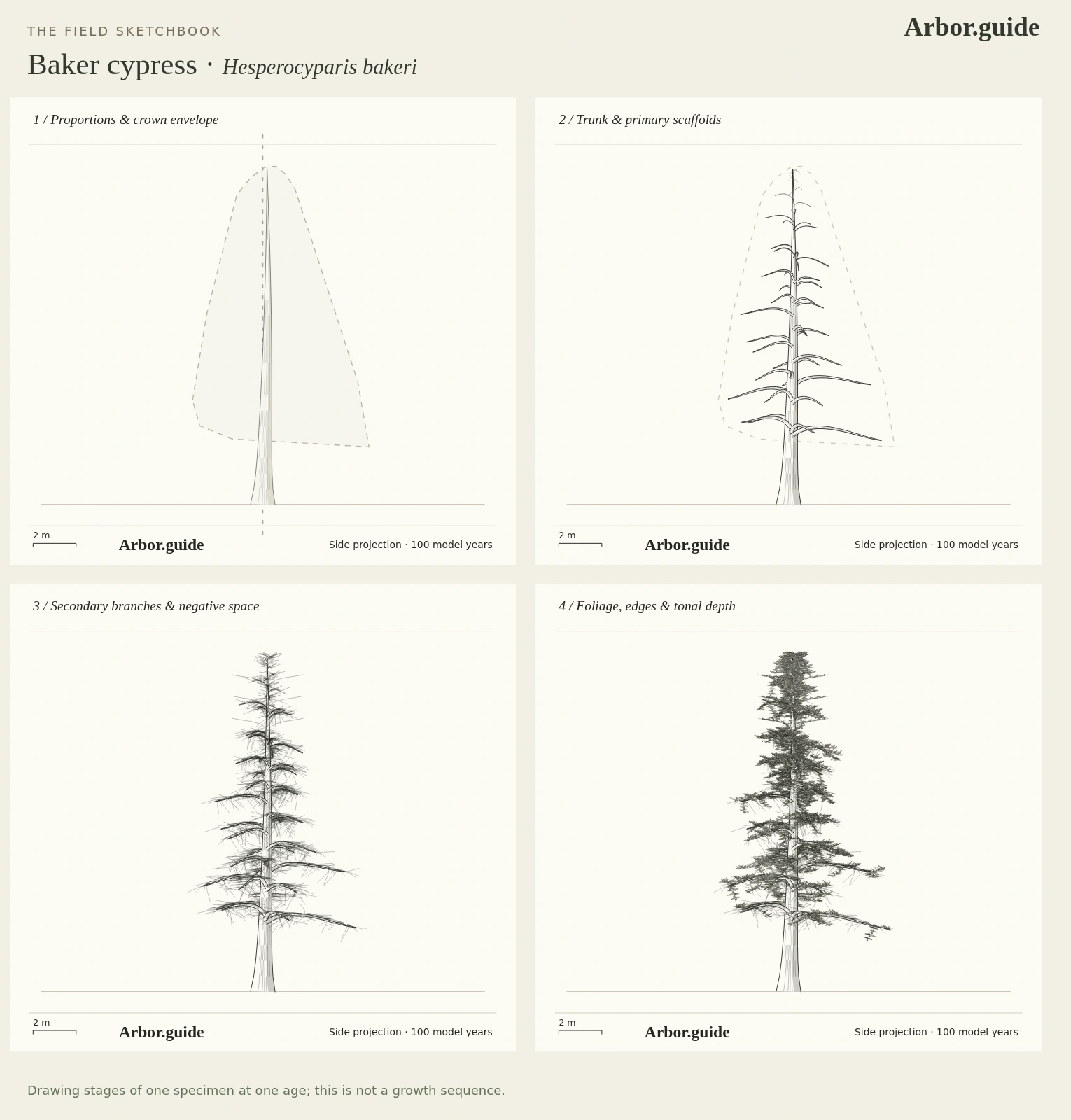
A slender trunk carries a narrow crown. Older trees have more open, spreading branches.
Branching
A slender trunk carries a narrow crown. Older trees have more open, spreading branches.
Bark
Red-brown bark curls away in plates as the trunk ages.
Roots
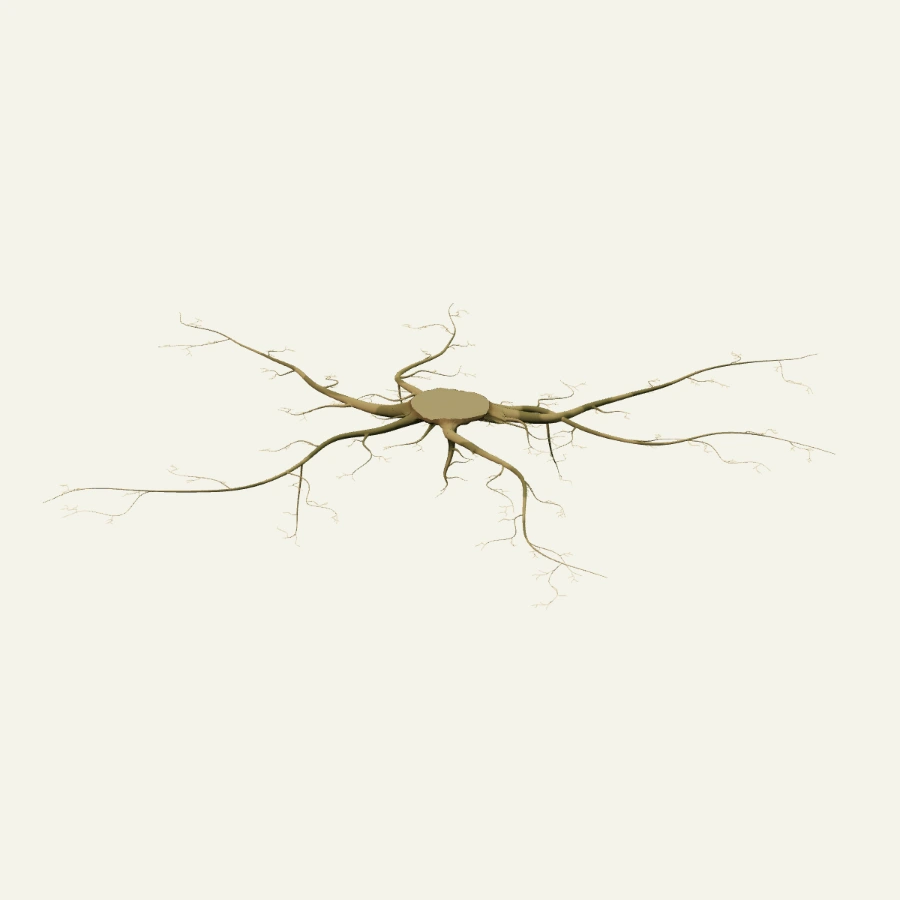
A first-year seedling develops a taproot and lateral roots. The illustration gives these roots an approximate shape.
02 / Seasons
Through the seasons
Four portraits. One plant.
Read the crown, foliage and reproductive structures together. The four views compare seasonal appearances; the reference notes explain what is actually documented.
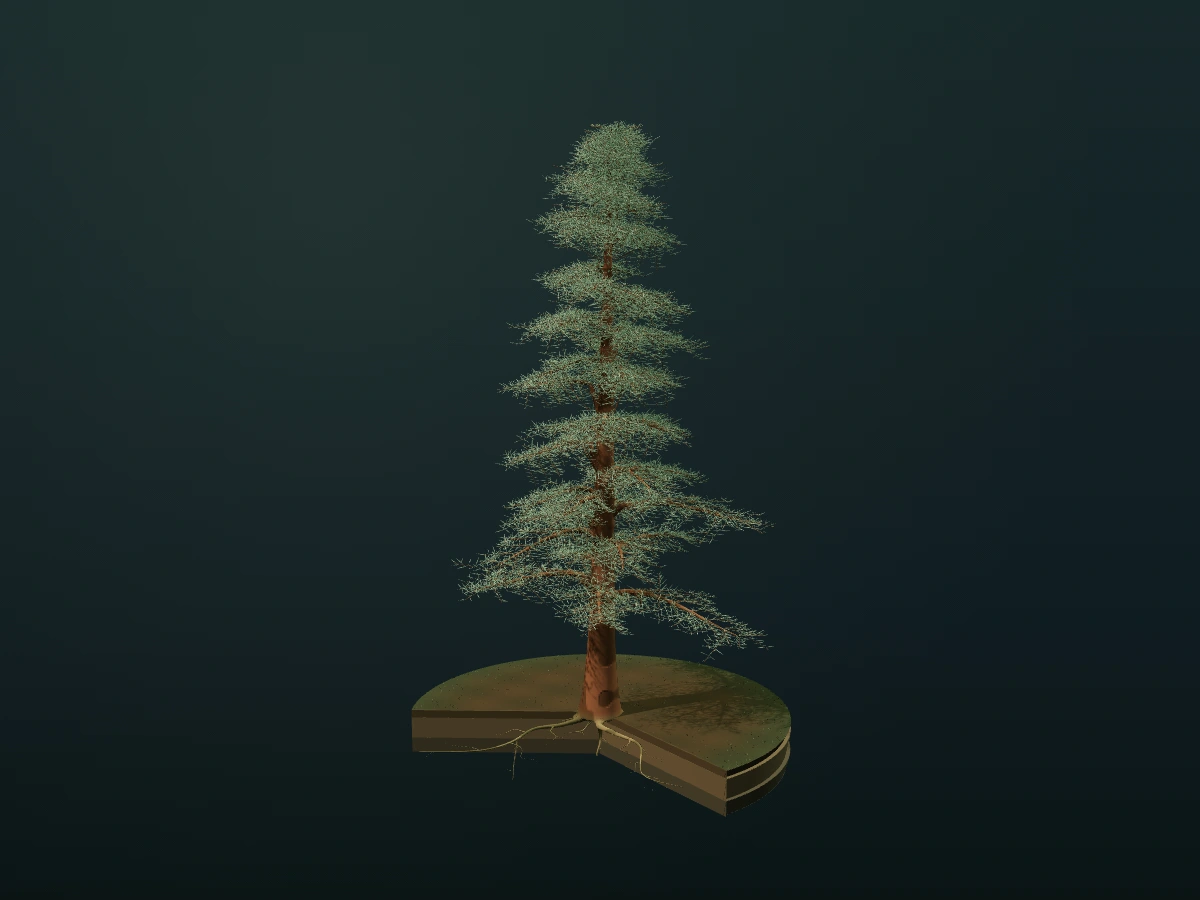
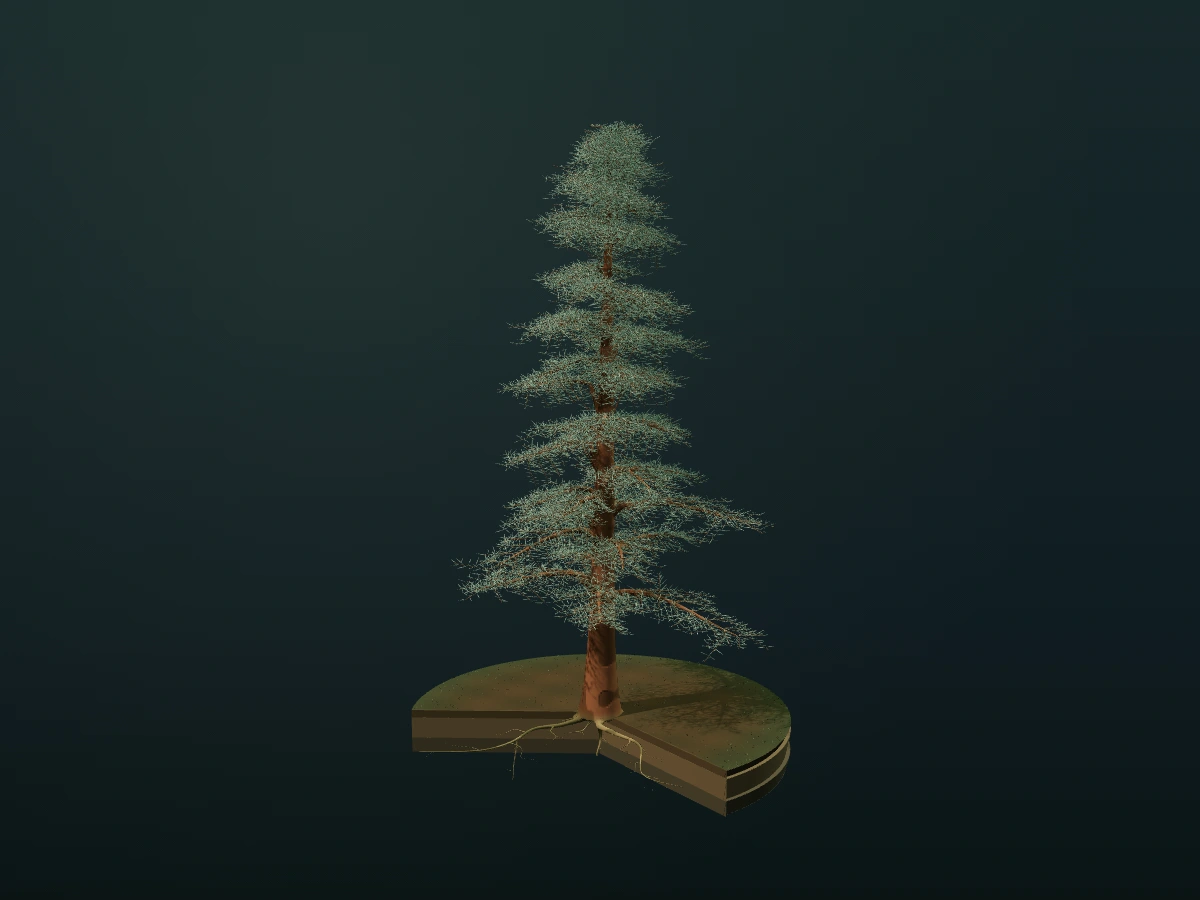
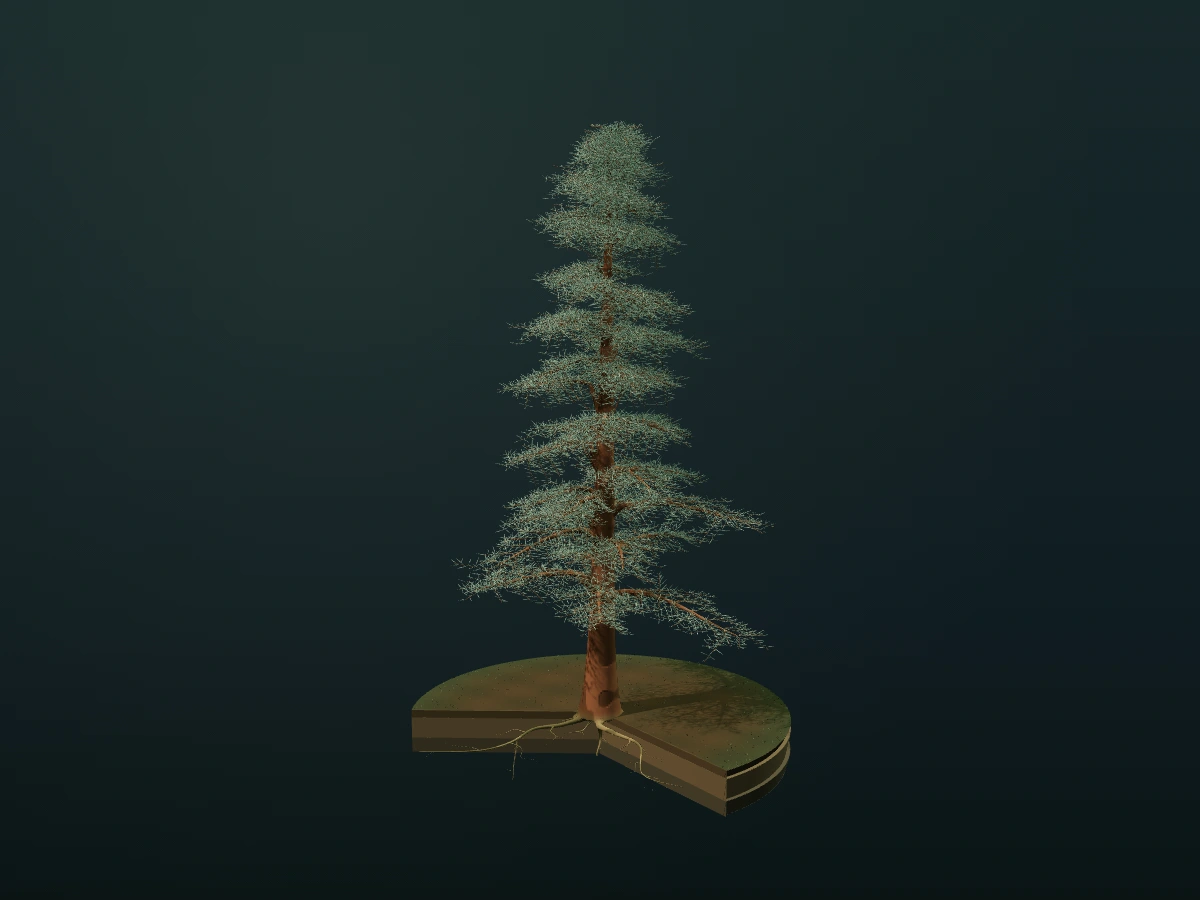
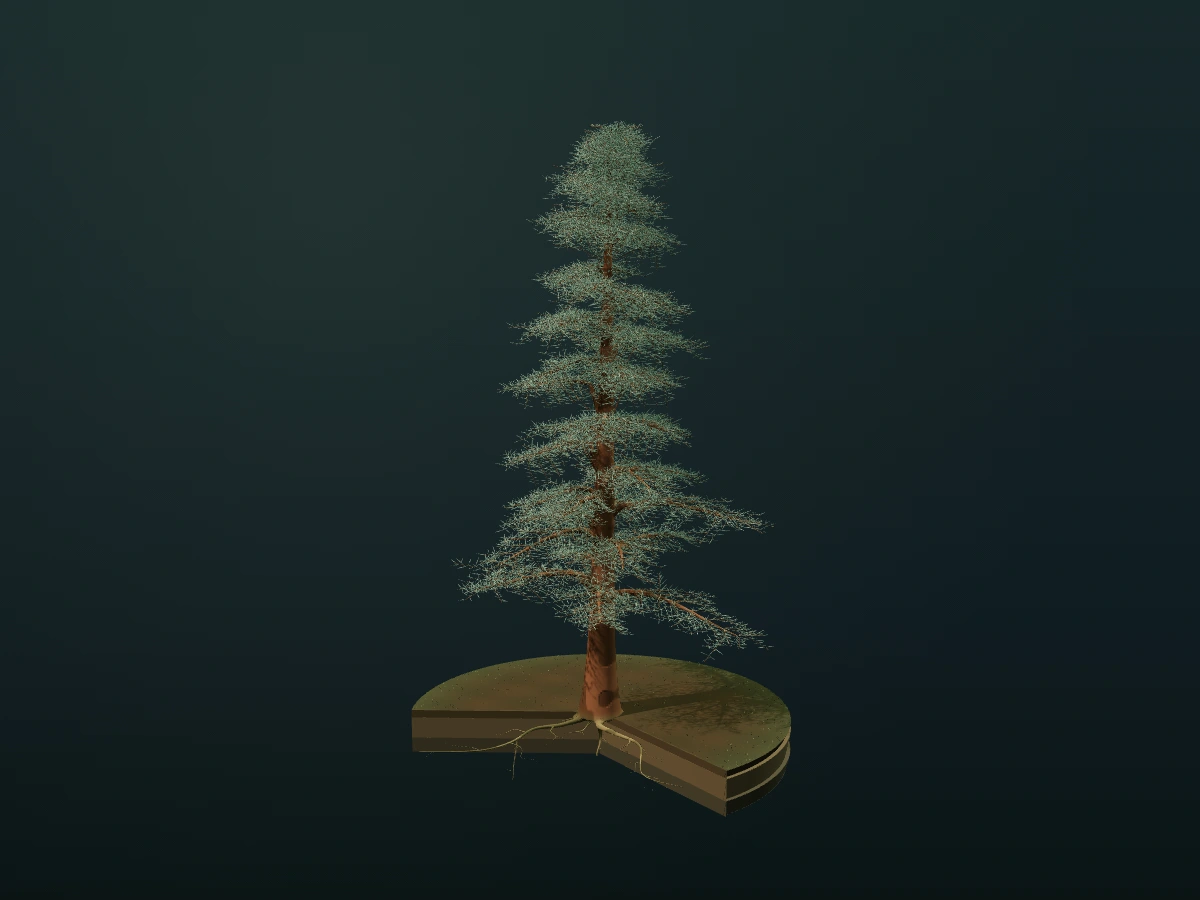
Seasonal illustration; the same plant, age and camera across four views.
Seasonal record
Reference region not specified in this record.
- Flowering
- This is a gymnosperm. Seeds and/or cones are its reproductive structures; they are not flowers or botanical fruits.[1]
- Seed / cone development
- Timing not documented
Leaf renewal
Evergreen[1]
A green canopy can persist while individual leaves age and are replaced. Evergreen does not mean that every leaf lasts indefinitely or that flowering and fruiting are continuous.
Reading these views
Season names organize these four views, not a universal calendar. Hemisphere, local climate, cultivar and management can change timing; months are shown only when explicitly recorded.
The views emphasize crown structure. Buds, small flowers, individual retained leaves and fine reproductive changes may be unresolved; model age and fruit count are not production forecasts.
No separate on-tree fruit display is configured for this record.
Seasonal references
- Oregon State University · Baker cypress ↗landscapeplants.oregonstate.edu
- International Dendrology Society · Baker cypress ↗www.treesandshrubsonline.org
03 / Foliage
A closer look at the organs
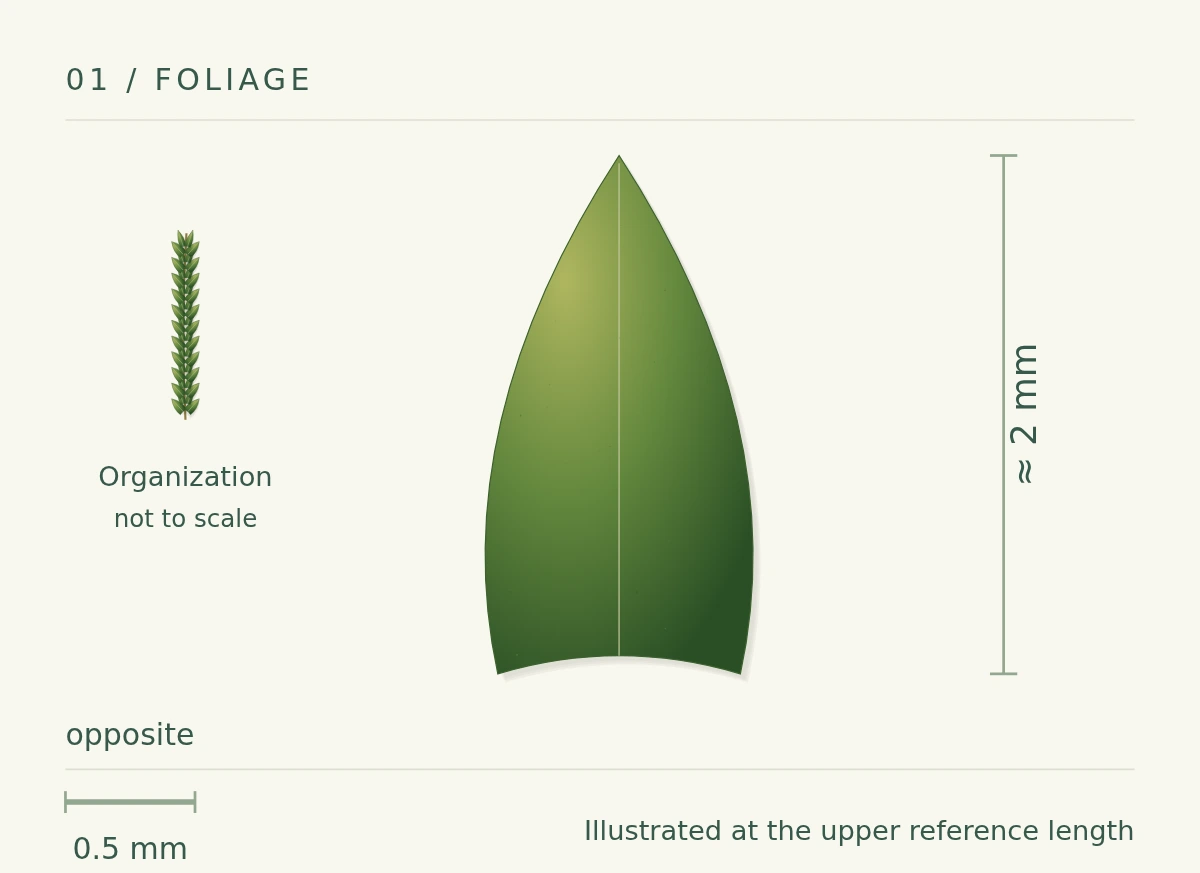
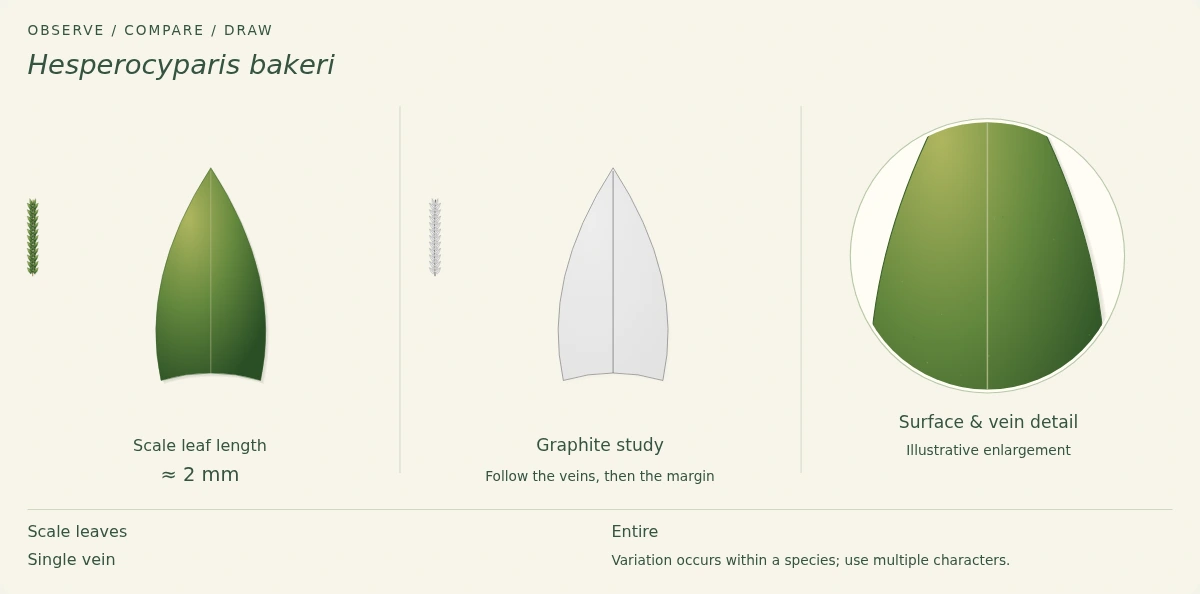
Leaves
- Scale leaf length
- ≈ 2 mmSource notes
Pairs of gray-green scales hug the twig. Each pair turns a quarter turn from the one below.
Scale leaves · Entire · Single vein · opposite
Seasonal notes
Gray-green foliage persists through winter.
04 / Fruit & seed
Named structures, separate scales
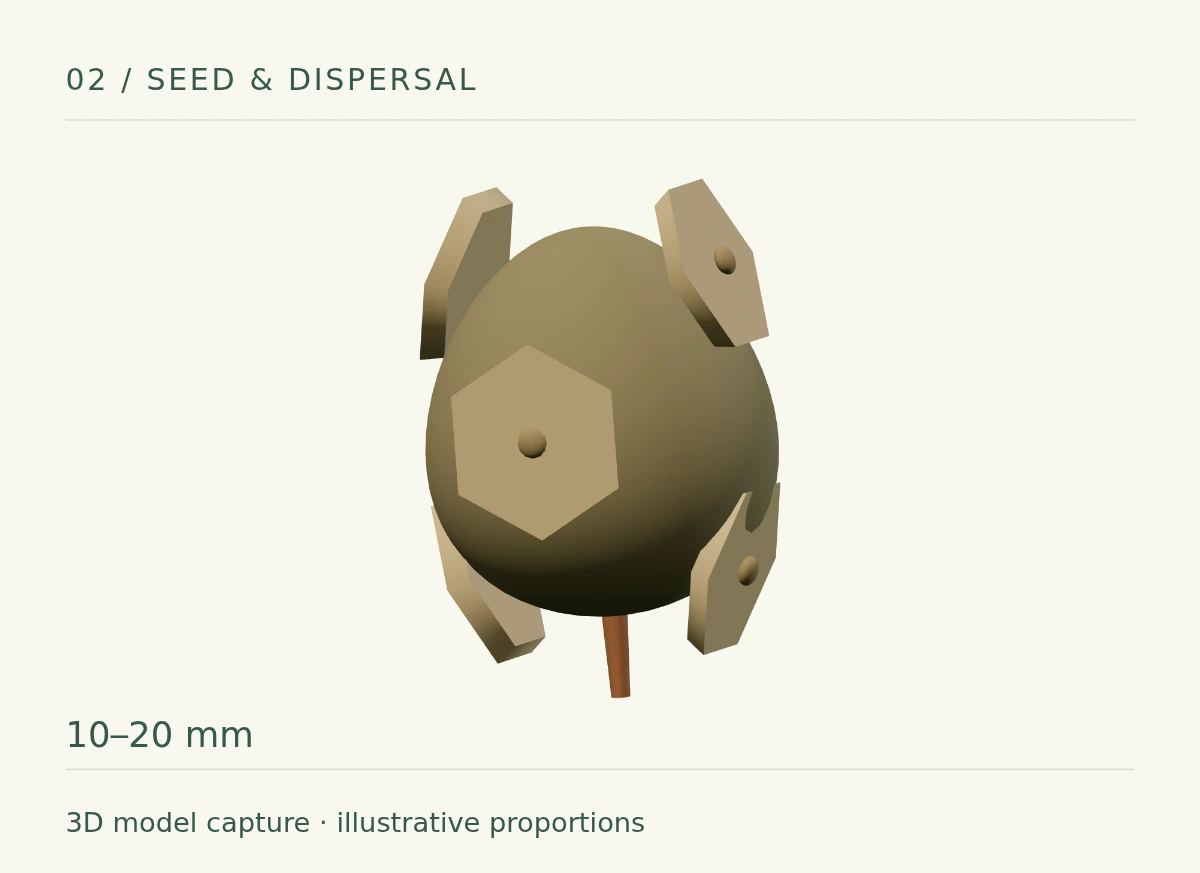
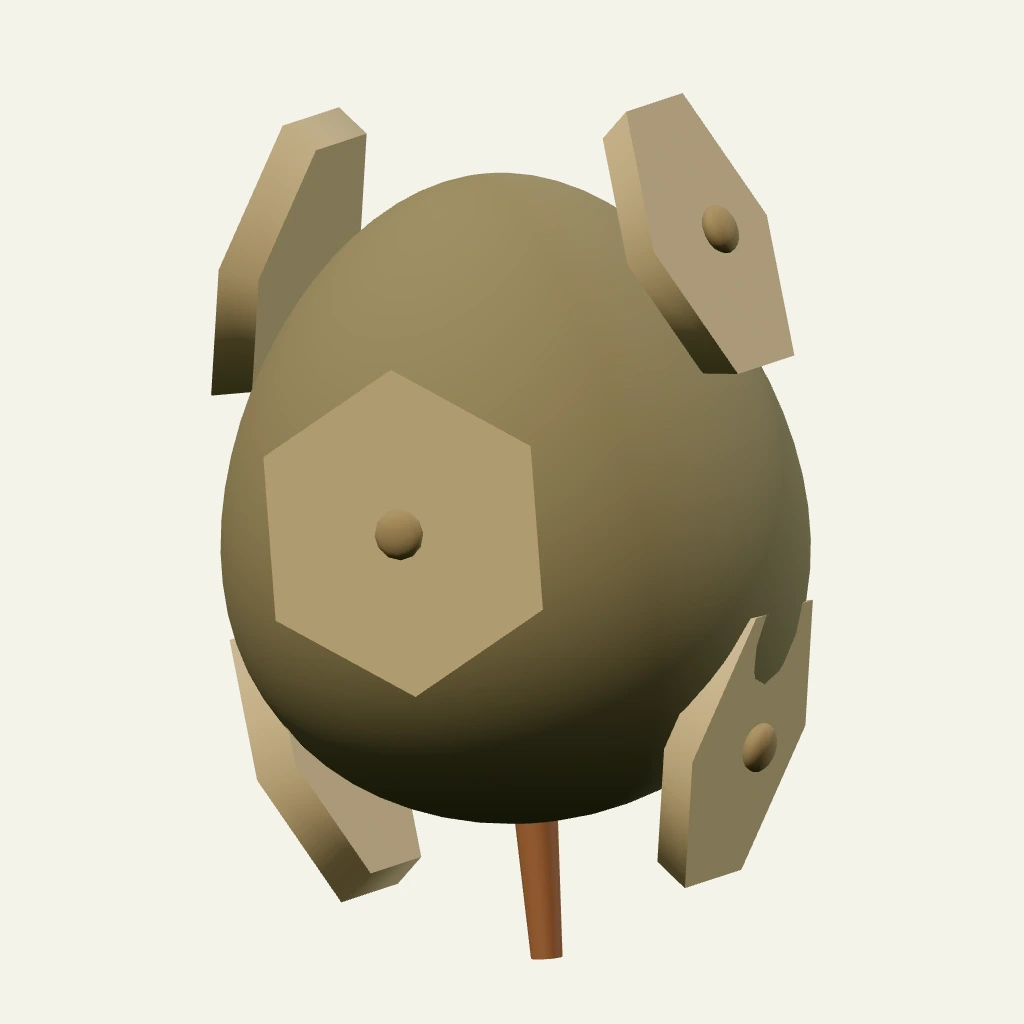
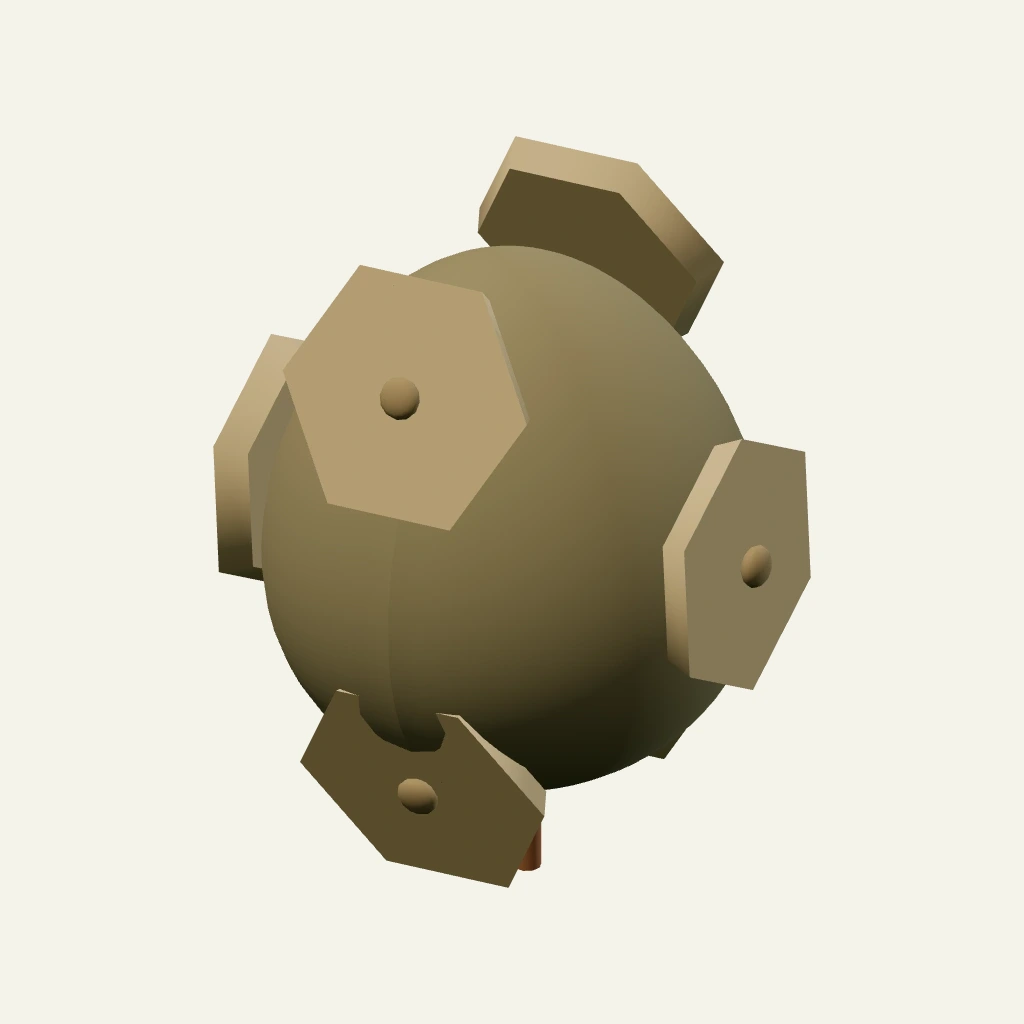
Seed cone
- Seed cone length
- 10–20 mmSource notes
The measurement gives the length of a whole seed cone.
- Fruiting reference
- Not documented
Organs are enlarged independently. Refer to the named measurement, not image size.
05 / Habitat
Native range & growing context
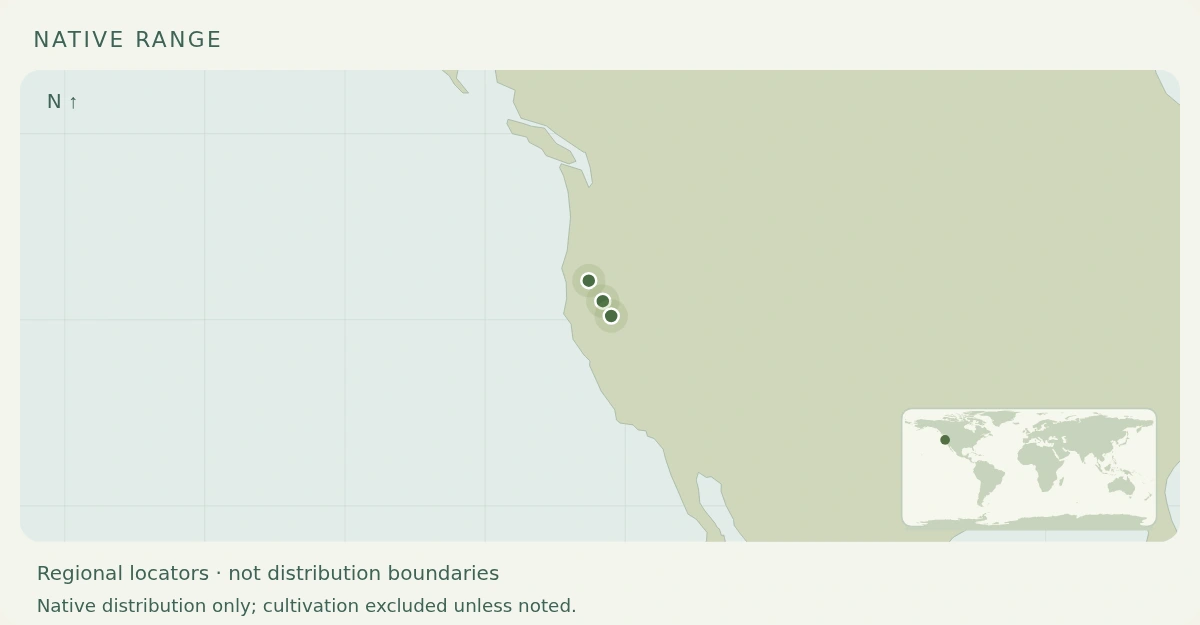
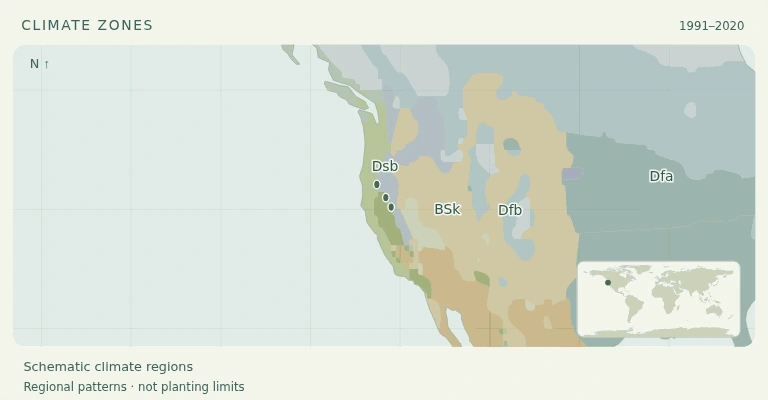
Native range & growing context
Scattered mountain groves in northern California and southwestern Oregon.
- Reference spread
- Not documented
- Moisture
- drained
- Growth tendency
- Slow
- Life span
- The model timeline illustrates changes in form.
Regional context, not a measured occurrence or suitability map.
06 / Sources & interpretation
Read the evidence behind the illustration
Names & classification
- Family
- Cupressaceae
- Genus
- Hesperocyparis
- Synonyms
- Cupressus bakeri; Callitropsis bakeri
- Pairs of gray-green scales hug the twig. Each pair turns a quarter turn from the one below.
- Rounded seed cones have three or four pairs of woody scales. Closed cones can retain seeds for years and release them after heating or drying.
- A first-year seedling develops a taproot and lateral roots. The illustration gives these roots an approximate shape.
The illustration has ArborAI branch positions, root dimensions and ages.
The illustration has ArborAI branch positions, root dimensions and ages.
- Oregon State University · Baker cypress ↗landscapeplants.oregonstate.edu
- US Forest Service · Modoc cypress ↗research.fs.usda.gov
- International Dendrology Society · Baker cypress ↗www.treesandshrubsonline.org
Plant data and references · 7
| Synonymscategory | ["Cupressus bakeri", "Callitropsis bakeri"]Published names for the same species.landscapeplants.oregonstate.edu |
|---|---|
| Heightm | [10, 30]The US Forest Service gives a height range of 10–30 m for the species.research.fs.usda.gov |
| Nativerange | Scattered mountain groves in northern California and southwestern Oregon.Scattered mountain groves in northern California and southwestern Oregon.landscapeplants.oregonstate.edu |
| Botany organs leaf lengthmm | [2, 2]The typical mature scale leaf is about 2 mm long.landscapeplants.oregonstate.edu |
| Botany organs seed lengthmm | [10, 20]The measurement gives the length of a whole seed cone.www.treesandshrubsonline.org |
| Architecture roots | A first-year seedling develops a taproot and lateral roots. The illustration gives these roots an approximate shape.First-year seedling observation.research.fs.usda.gov |
| Hardinesscategory | {"system": "USDA", "zones": [5, null], "basis": "reported-minimum", "source": "osu"}Oregon State gives a minimum USDA zone. The upper limit is unreported.landscapeplants.oregonstate.edu |