Botanical field guide
Quercus imbricaria
Shingle oak
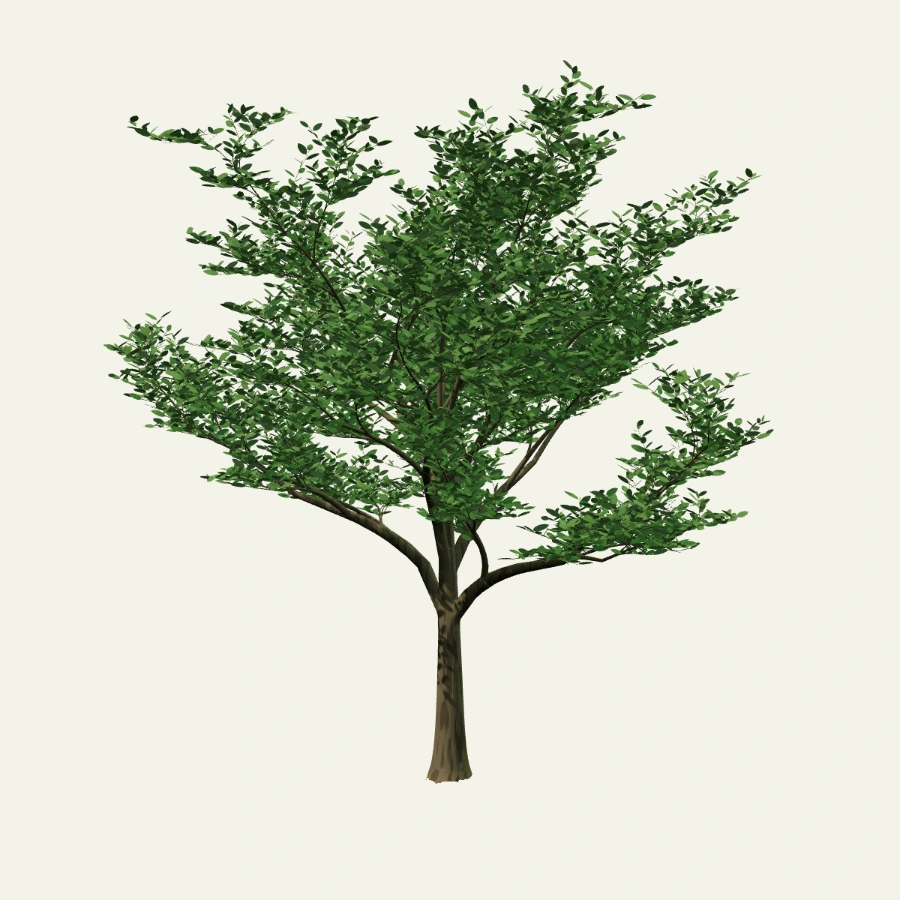
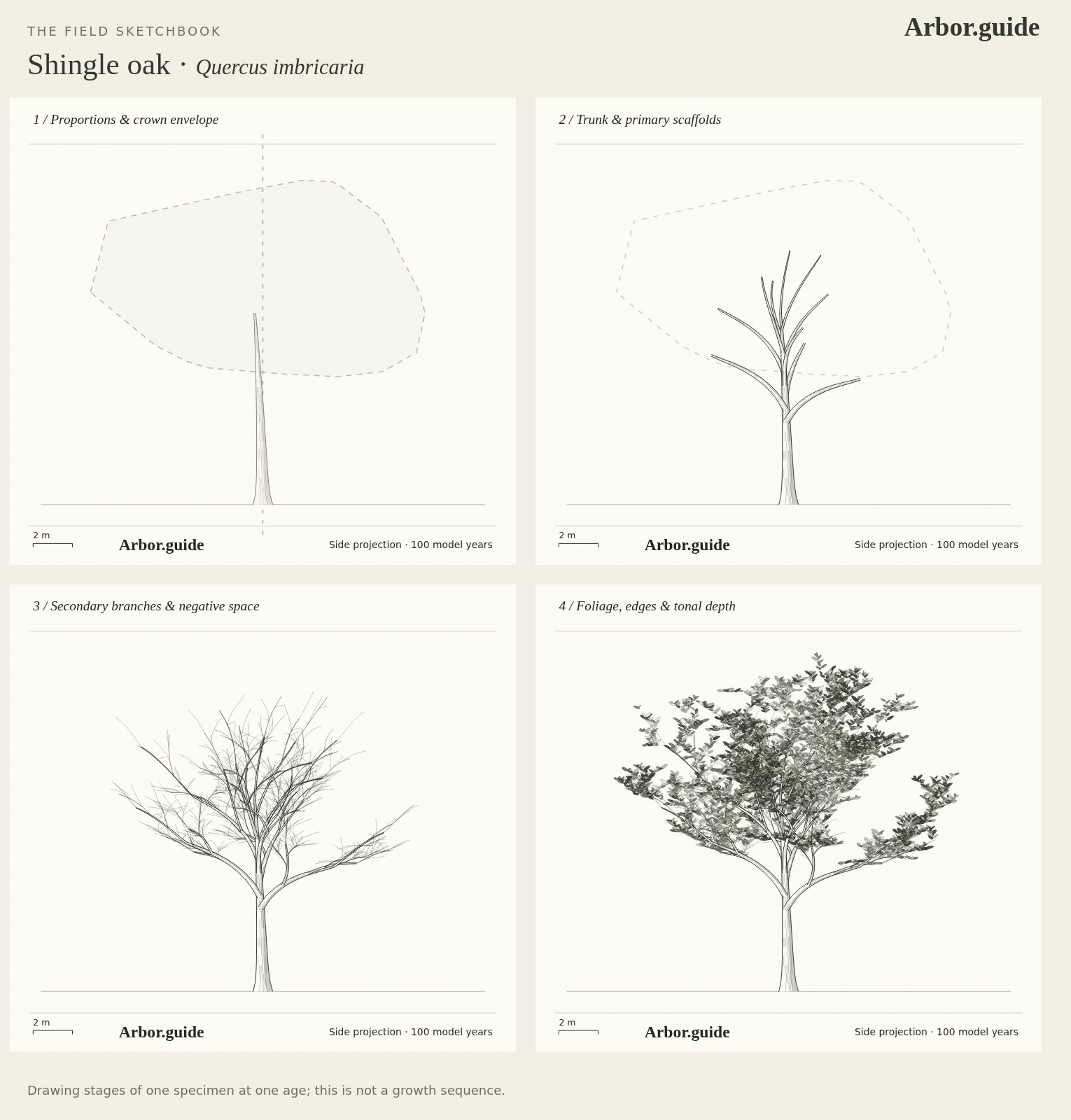
Tree / Fagaceae
The plant, in detail
Moist, rich, acidic soils, with tolerance of some drier sites.
- Reference height
- 15–21 m
- Foliage habit
- Deciduous
- USDA zones
- 4–8
- Light
- Not documented
Approximate stature from the cited account; equal bounds indicate a reported upper or approximate height, not a measured population interval. Cultivation and forest conditions differ.
Crown
A pyramidal juvenile crown broadens into a rounded adult canopy.
Branching
Alternate glossy leaves are oblong to lanceolate, usually unlobed, with a terminal bristle; some dry leaves persist through winter.
Bark
Gray-brown bark develops shallow irregular ridges.
Roots
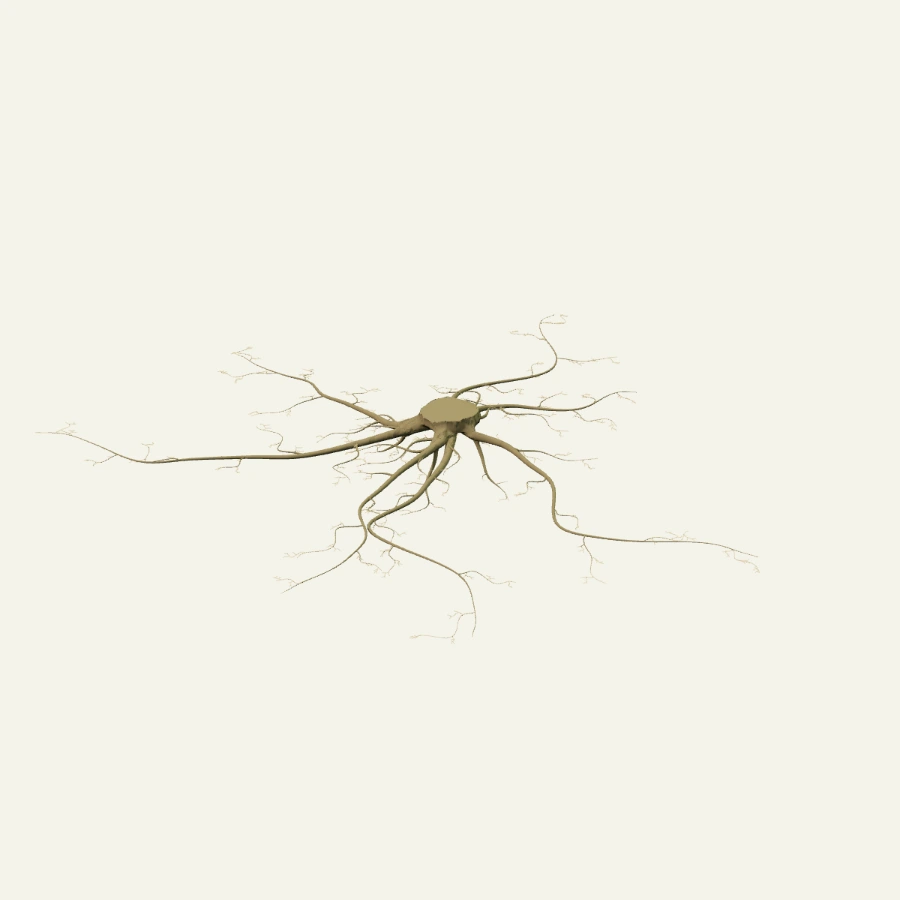
The root drawing is an ArborAI soil scenario: curved structural laterals and descending axes, not a measured species root map. Depth depends on soil, water table, establishment and damage; fine absorptive roots are unresolved.
02 / Seasons
Through the seasons
Four portraits. One plant.
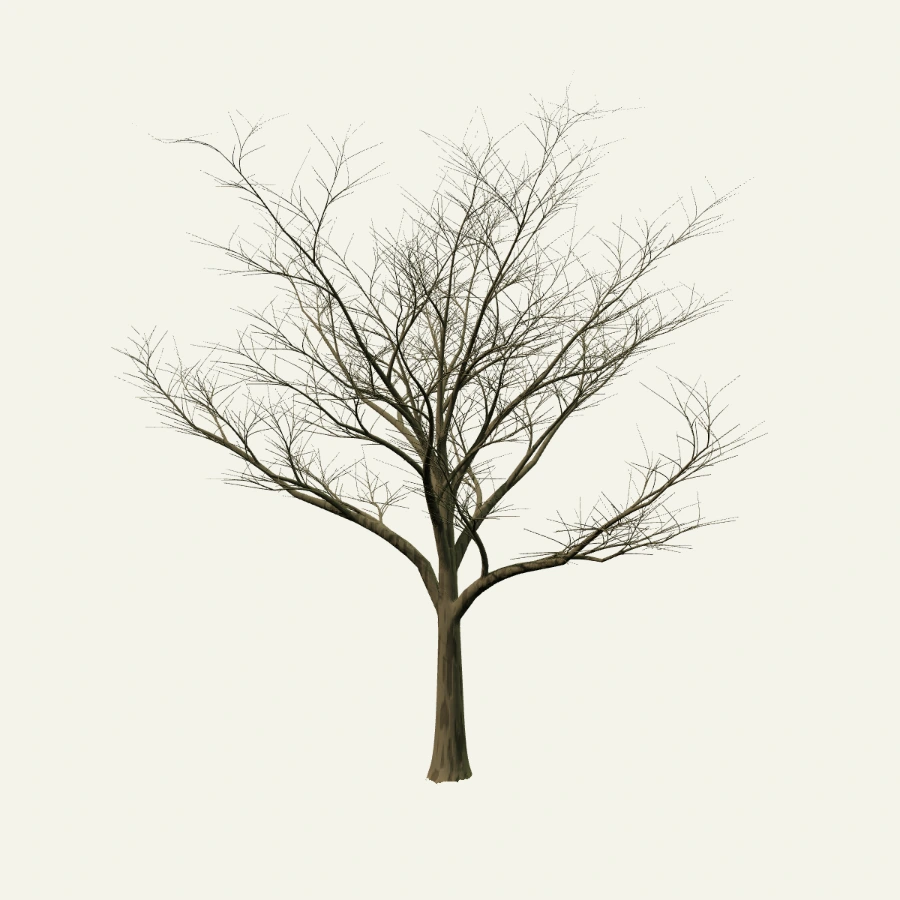
Read the crown, foliage and reproductive structures together. The four views compare seasonal appearances; the reference notes explain what is actually documented.
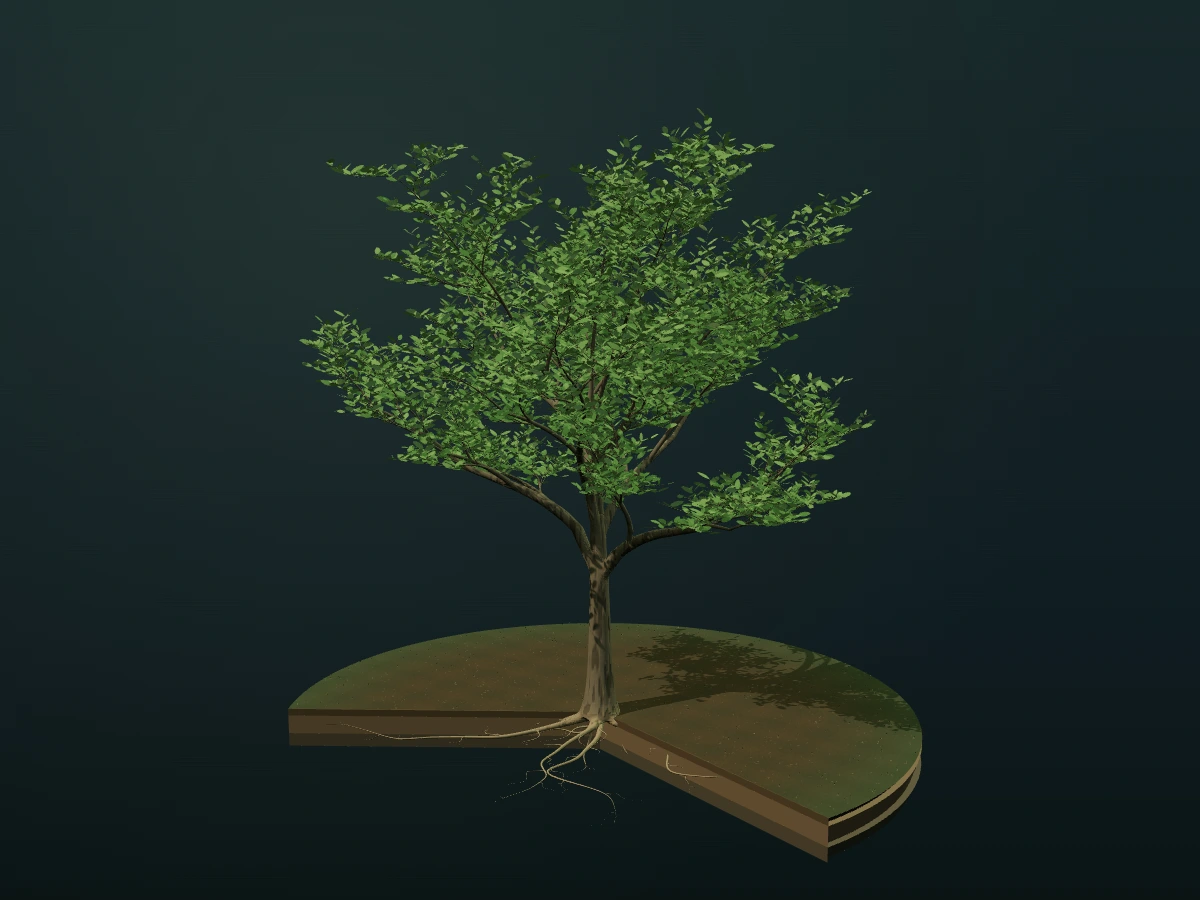
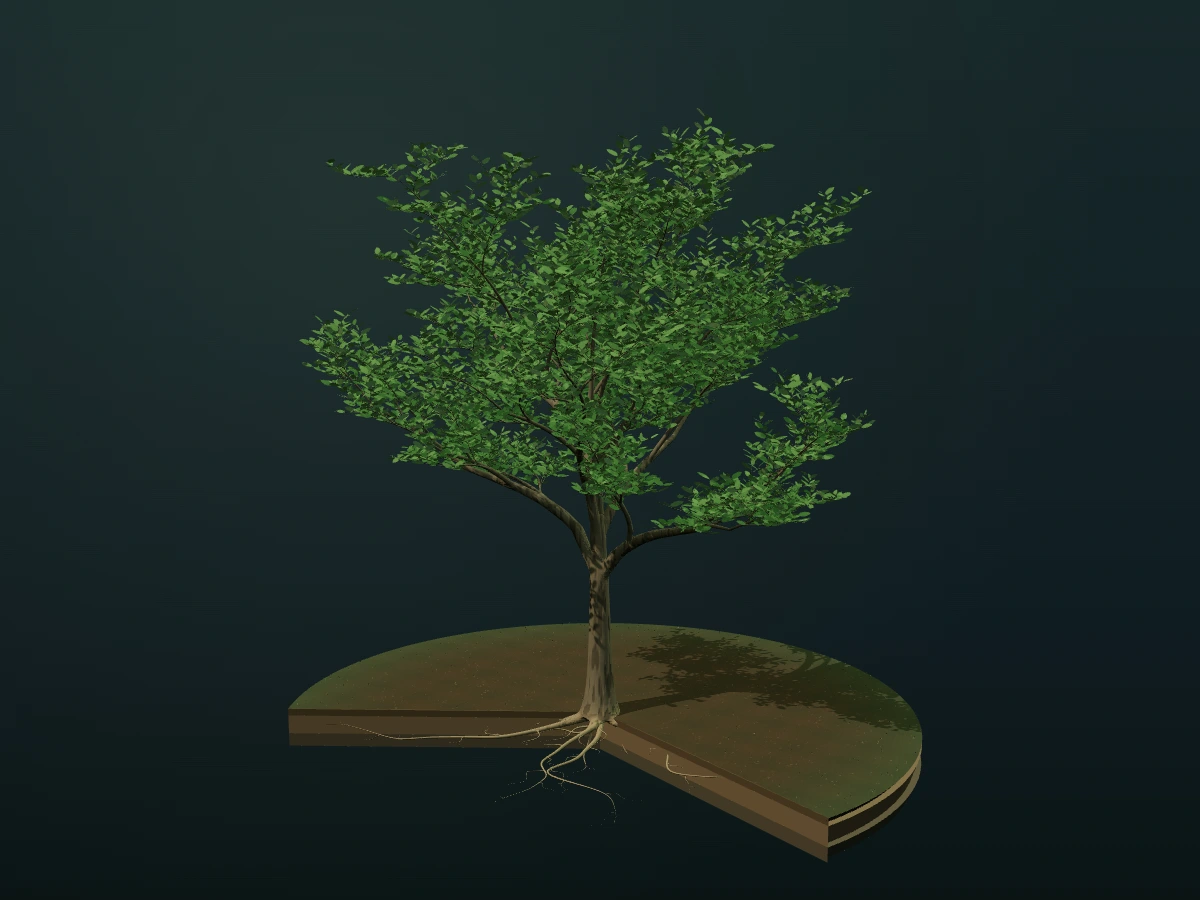
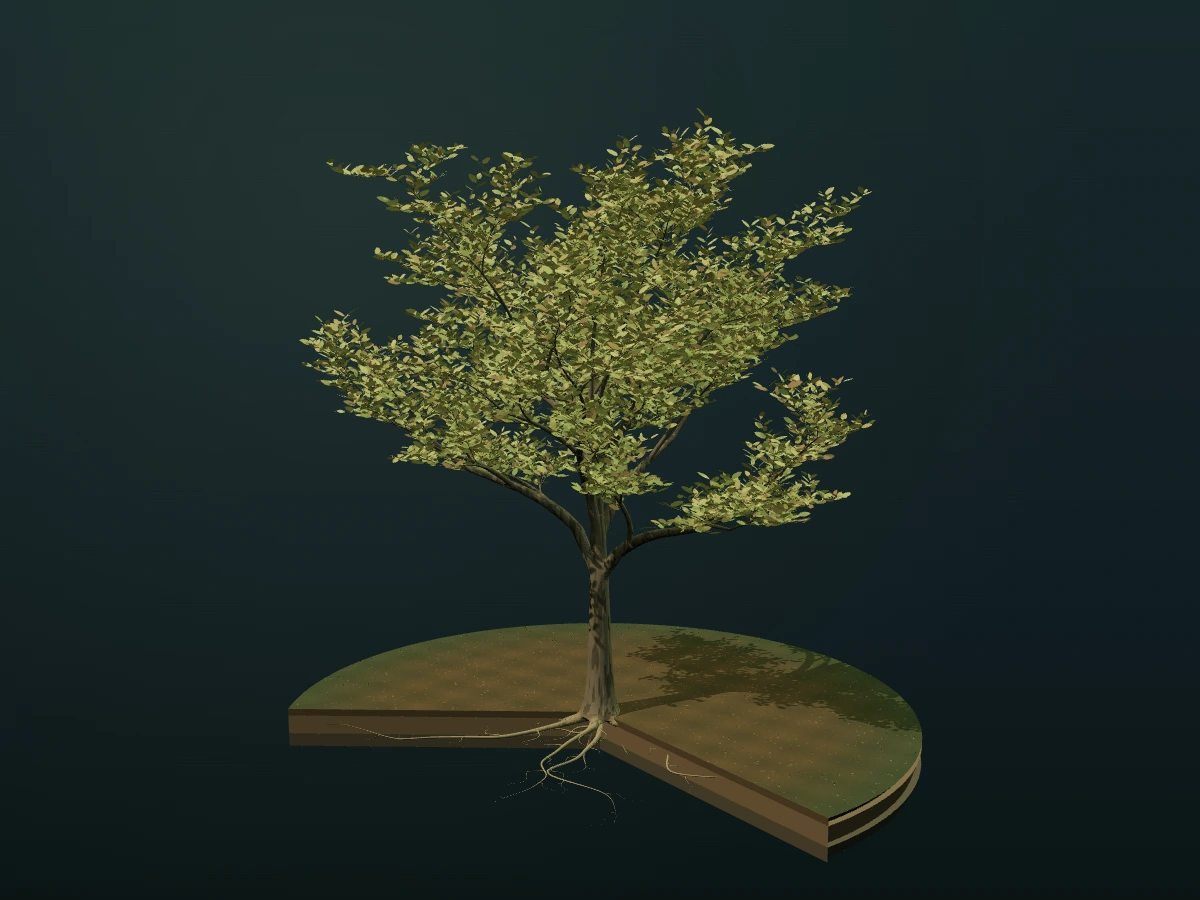
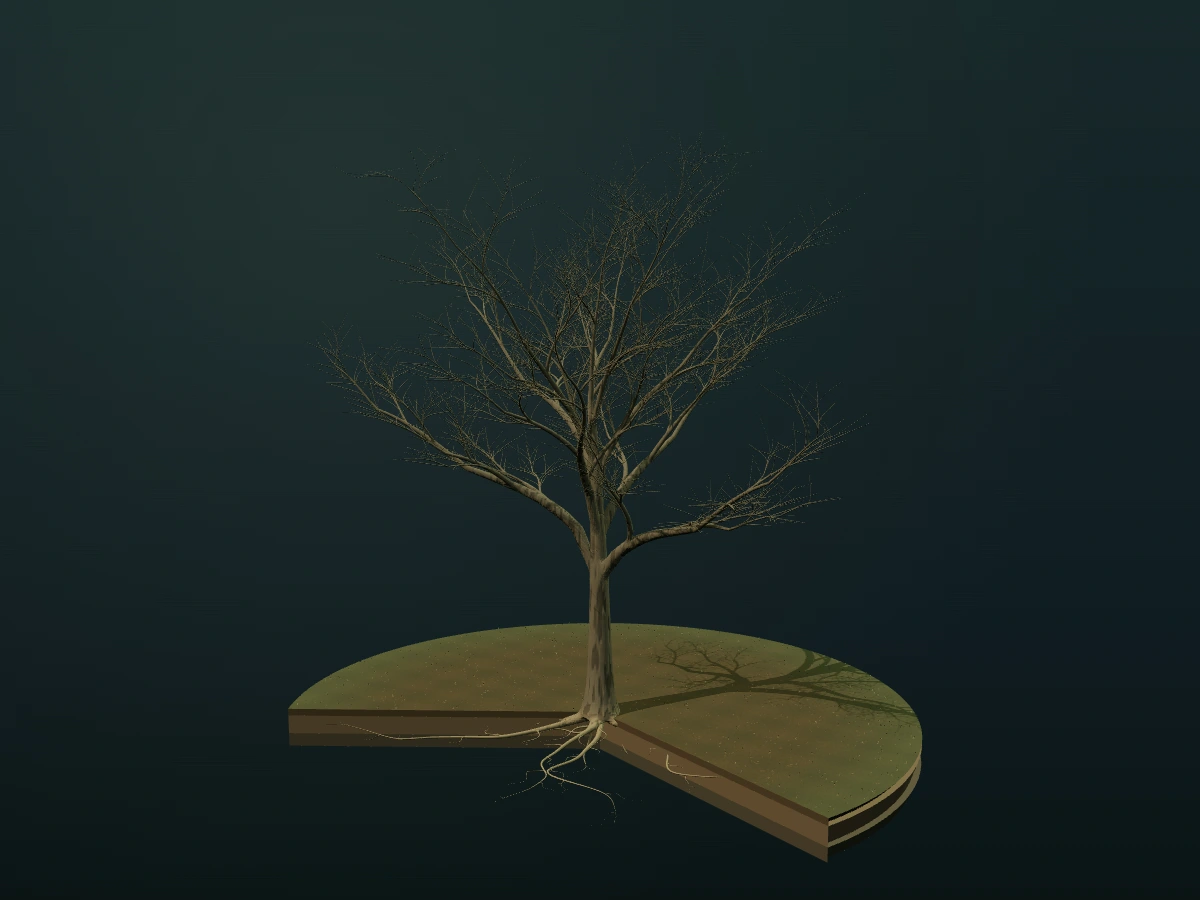
Seasonal illustration; the same plant, age and camera across four views.
Seasonal record
North Carolina botanical account
Leaf renewal
The record describes a deciduous plant: foliage is renewed after a leafless or reduced-leaf phase. The named views illustrate that cycle without fixing its dates at a planting site.
Marcescence is recorded: some dead leaves can remain attached after senescence. Their number, position and duration are not quantified.
Reading these views
Season names organize these four views, not a universal calendar. Hemisphere, local climate, cultivar and management can change timing; months are shown only when explicitly recorded.
The views emphasize crown structure. Buds, small flowers, individual retained leaves and fine reproductive changes may be unresolved; model age and fruit count are not production forecasts. The simplified winter render can omit retained dead leaves; a bare model does not negate the recorded marcescence.
No separate on-tree fruit display is configured for this record.
Seasonal references
- Oregon State University · Quercus imbricaria ↗landscapeplants.oregonstate.edu
- NC State Extension · Quercus imbricaria ↗plants.ces.ncsu.edu
03 / Leaves & flowers
A closer look at the organs
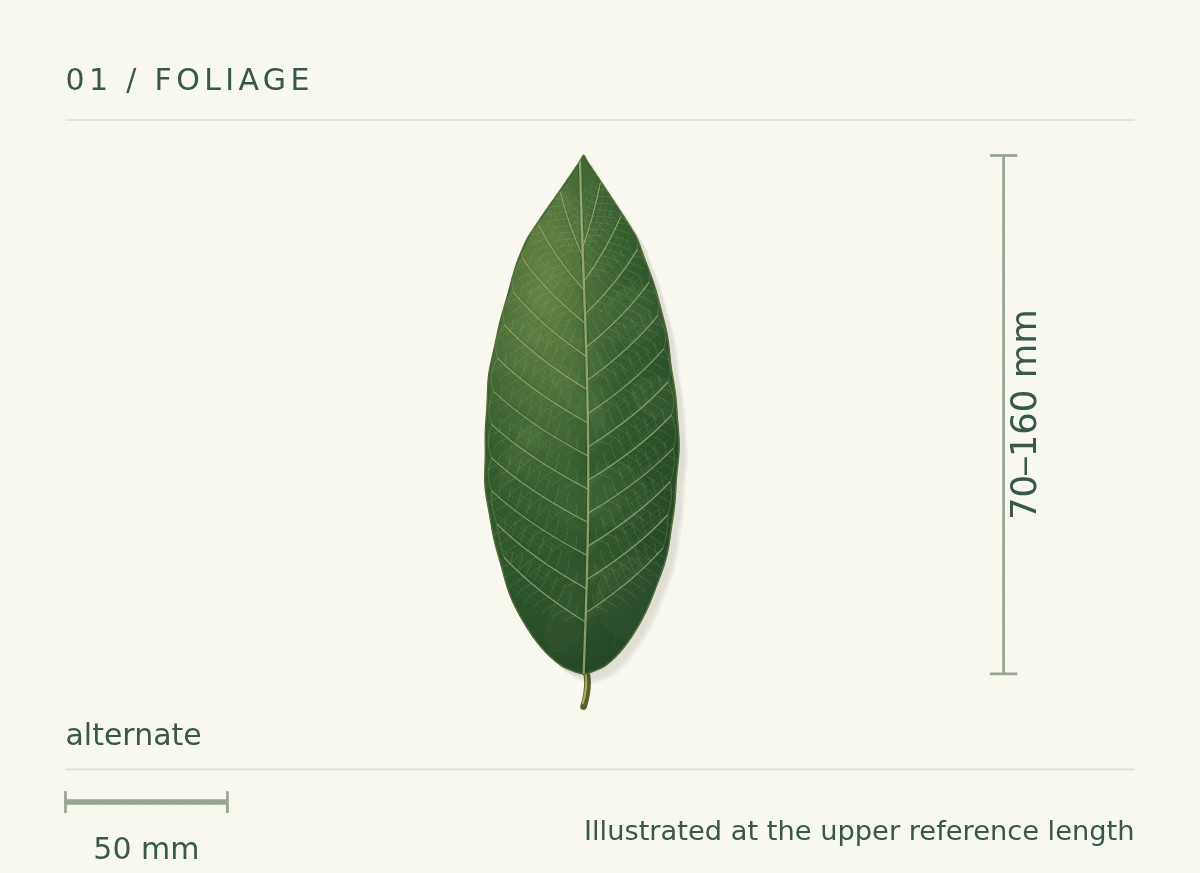
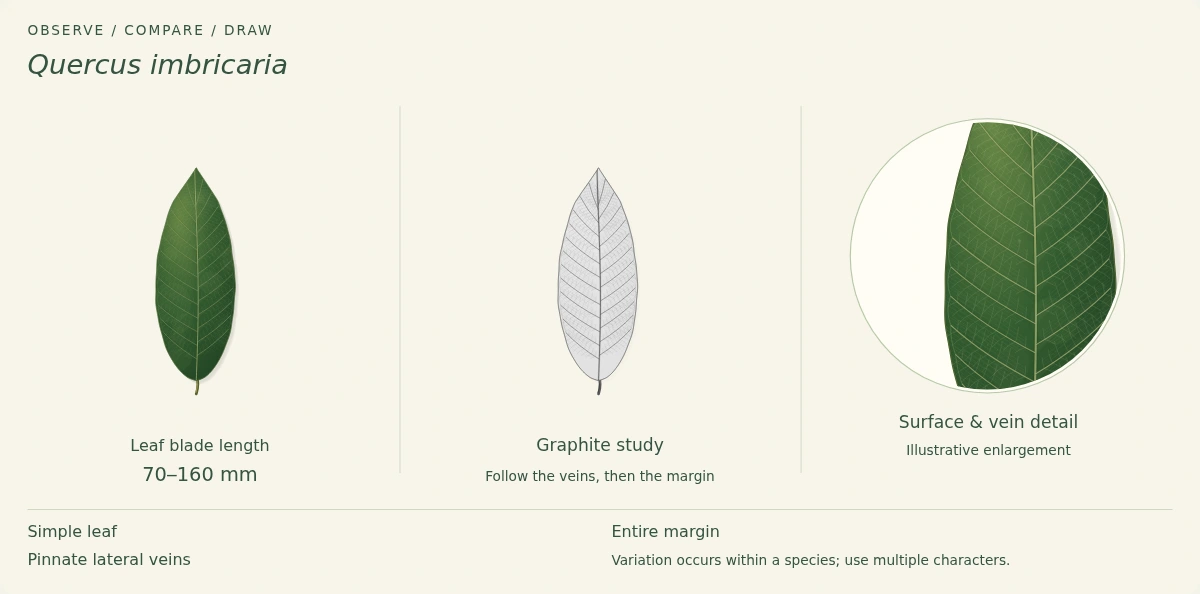
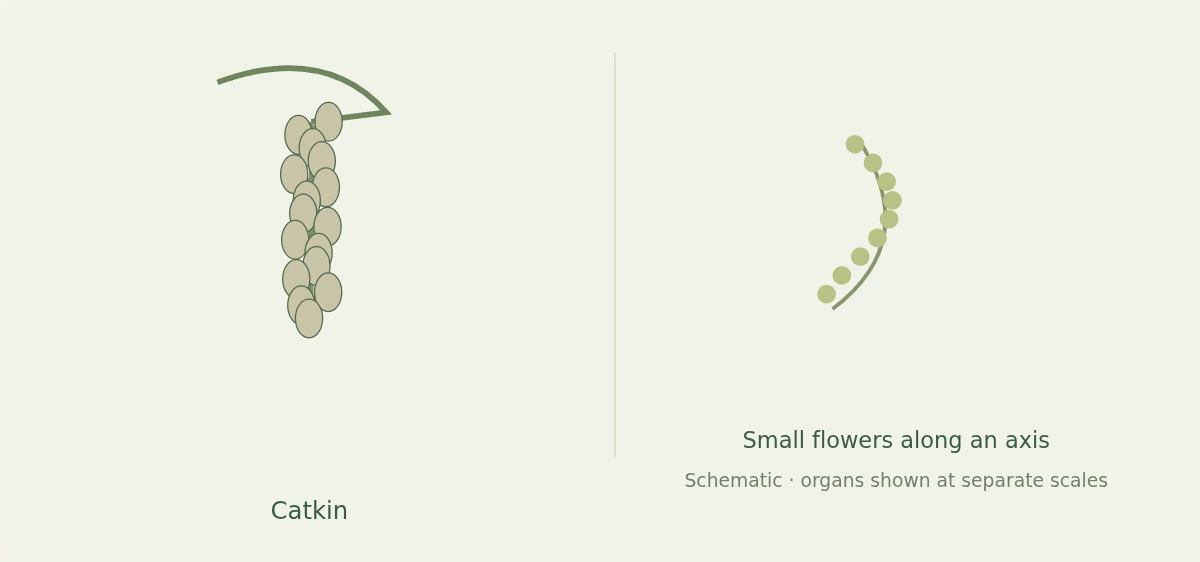
Leaves
- Leaf blade length
- 70–160 mmSource notes
Alternate glossy leaves are oblong to lanceolate, usually unlobed, with a terminal bristle; some dry leaves persist through winter.
Simple leaf · Entire margin · Pinnate lateral veins · alternate
Seasonal notes
Autumn colour varies with genotype, site and weather. These phases are illustrative, without fixed calendar dates.
- Flowering reference
- Spring
04 / Fruit & seed
Named structures, separate scales
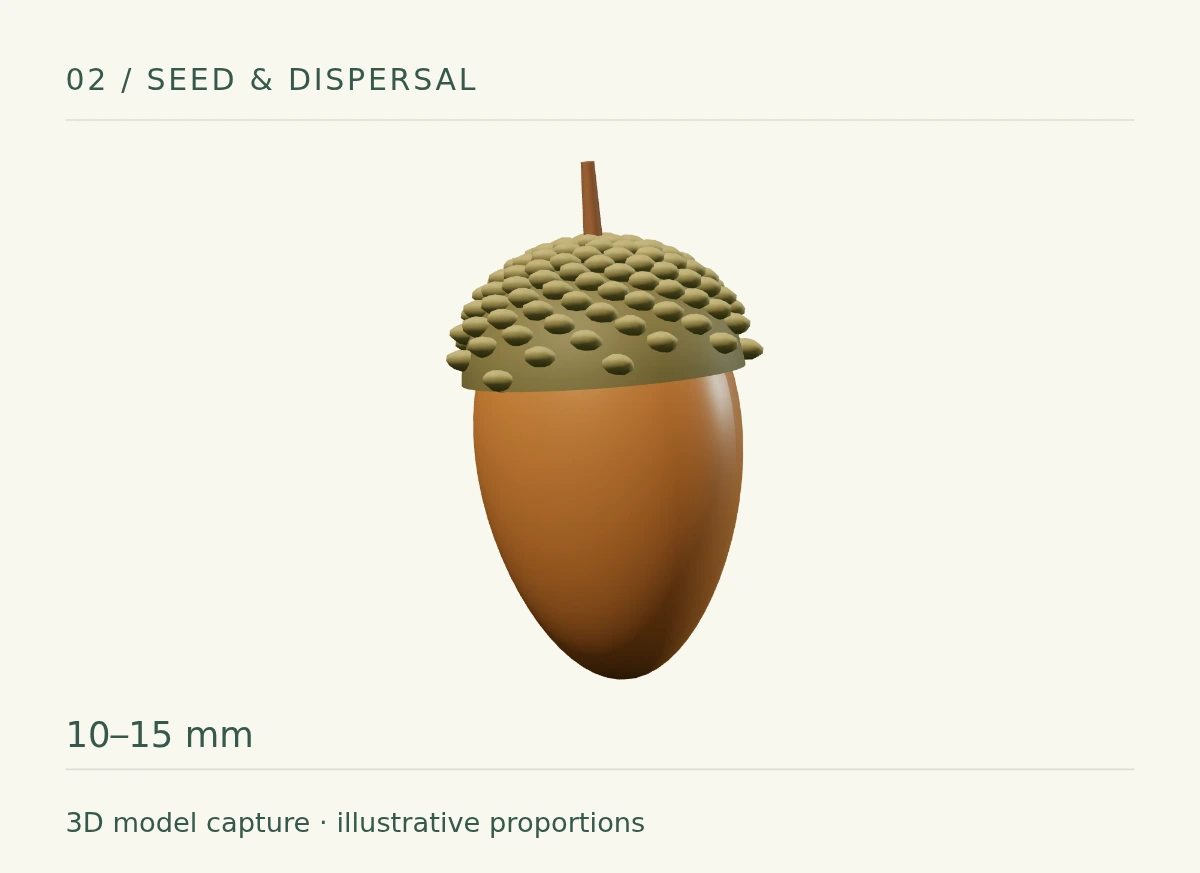
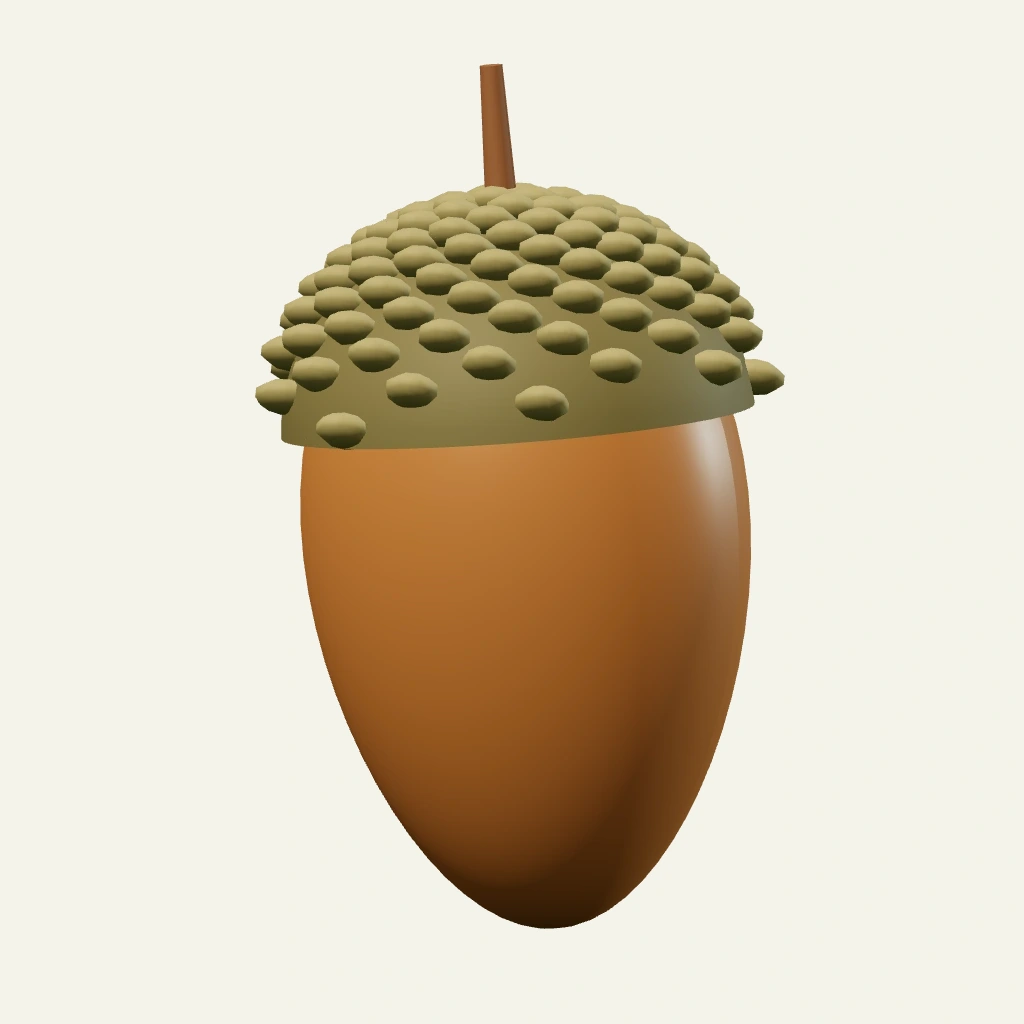
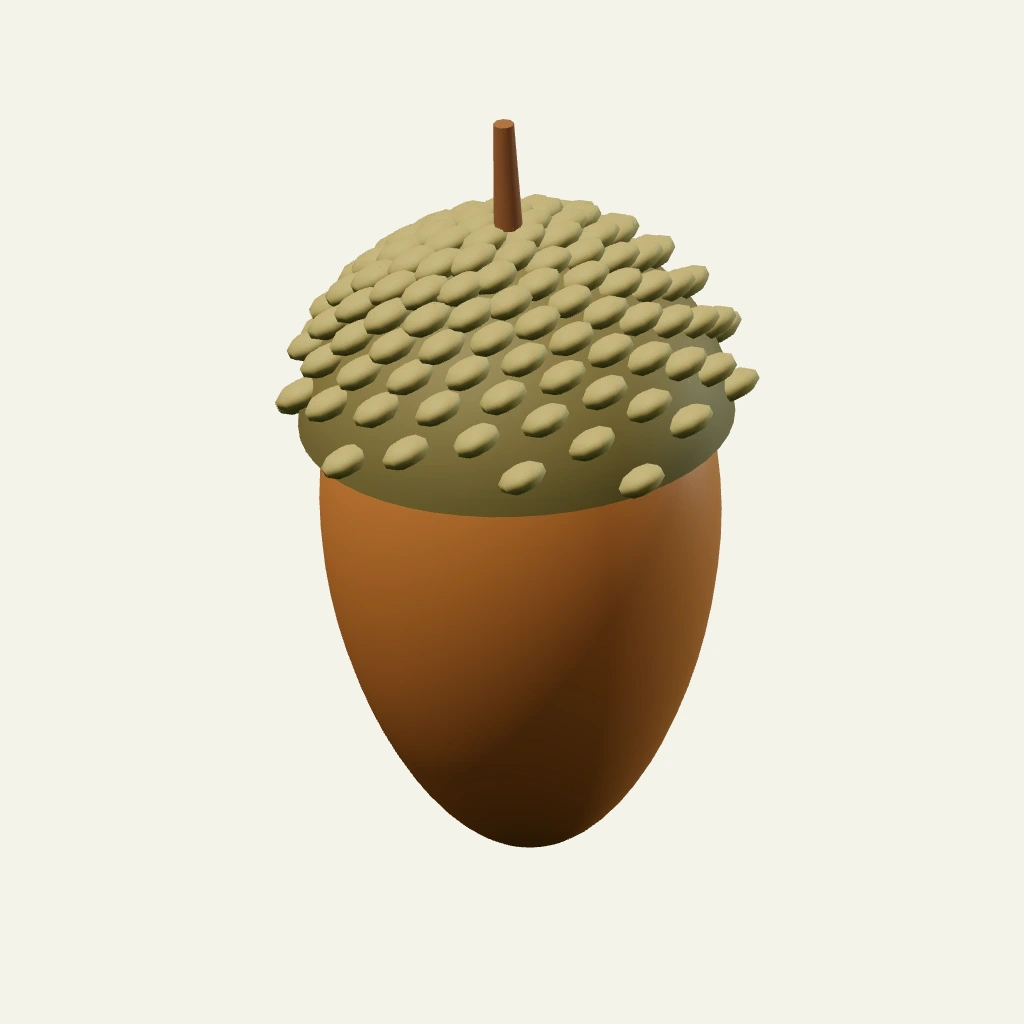
Acorn · fruit
- Acorn length · fruit
- 10–15 mmSource notes
Acorns mature in the second year; the cup encloses about one-third to one-half of the nut.
- Fruiting reference
- Autumn
North Carolina botanical account
Organs are enlarged independently. Refer to the named measurement, not image size.
05 / Habitat
Native range & growing context
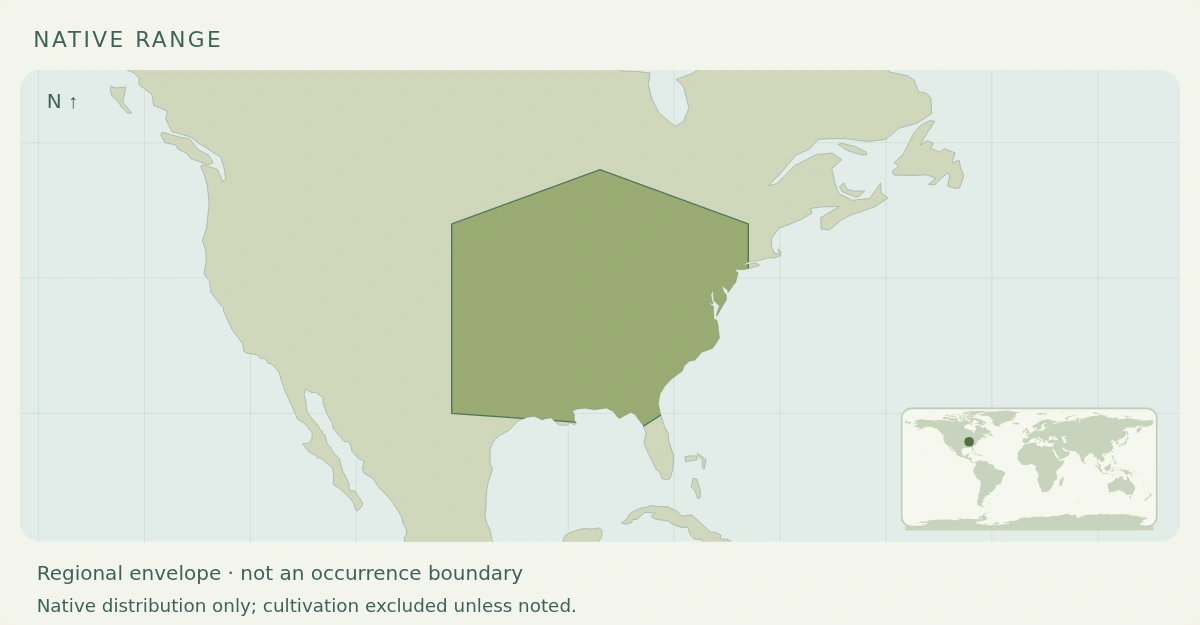
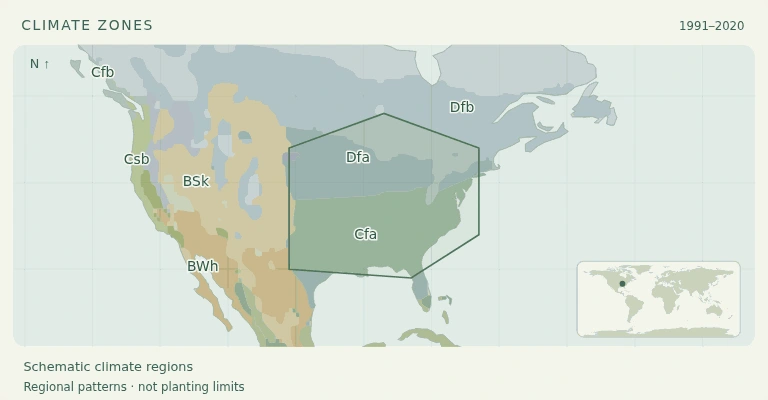
Native range & growing context
Central and eastern United States, from Pennsylvania to Georgia and west toward Kansas.
- Reference spread
- Not documented
- Moisture
- Not documented
- Growth tendency
- Slow
- Life span
- No numerical lifespan is assigned from these references. Model age is not a survival forecast.
Regional context, not a measured occurrence or suitability map.
06 / Sources & interpretation
Read the evidence behind the illustration
Names & classification
- Family
- Fagaceae
- Genus
- Quercus
- Synonyms
- —
- Alternate glossy leaves are oblong to lanceolate, usually unlobed, with a terminal bristle; some dry leaves persist through winter.
- Acorns mature in the second year; the cup encloses about one-third to one-half of the nut.
Source-informed teaching reconstruction, not a surveyed specimen. Crown dimensions, branch counts, growth ages and root geometry are ArborAI. Individual trees vary with provenance, competition, climate and management.
ArborAI teaching geometry; coefficients and ages are not measured species constants.
- NC State Extension · Quercus imbricaria ↗plants.ces.ncsu.edu
- Oregon State University · Quercus imbricaria ↗landscapeplants.oregonstate.edu
Plant data and references · 5
| Native range | Central and eastern United States, from Pennsylvania to Georgia and west toward Kansas.Transferred from the existing catalogue; independent botanical review remains pending.plants.ces.ncsu.edu |
|---|---|
| Leaf lengthmm | [70, 160]Transferred from the existing catalogue; independent botanical review remains pending.landscapeplants.oregonstate.edu |
| Seed lengthmm | [10, 15]Transferred from the existing catalogue; independent botanical review remains pending.landscapeplants.oregonstate.edu |
| Reference phenologycategory | {"flowering": {"seasons": ["spring"]}, "fruiting": {"seasons": ["autumn"]}, "reference": "North Carolina botanical account", "source": "https://plants.ces.ncsu.edu/plants/quercus-imbricaria/", "reviewed": "2026-10-16"}Regional observations. Fruit display may include persistence and is not automatically ripening. Missing dates remain unspecified. Independent botanical review remains pending.plants.ces.ncsu.edu |
| Usda hardinesscategory | {"system": "USDA", "zones": [4, 8], "source": "usda-hardiness", "subzones": ["4a", "8b"]}Reported horticultural recommendation; winter minimum only, not a heat or overall suitability limitplants.ces.ncsu.edu |