Guía botánica de campo
Xanthoceras sorbifolium
Xanthoceras sorbifolium
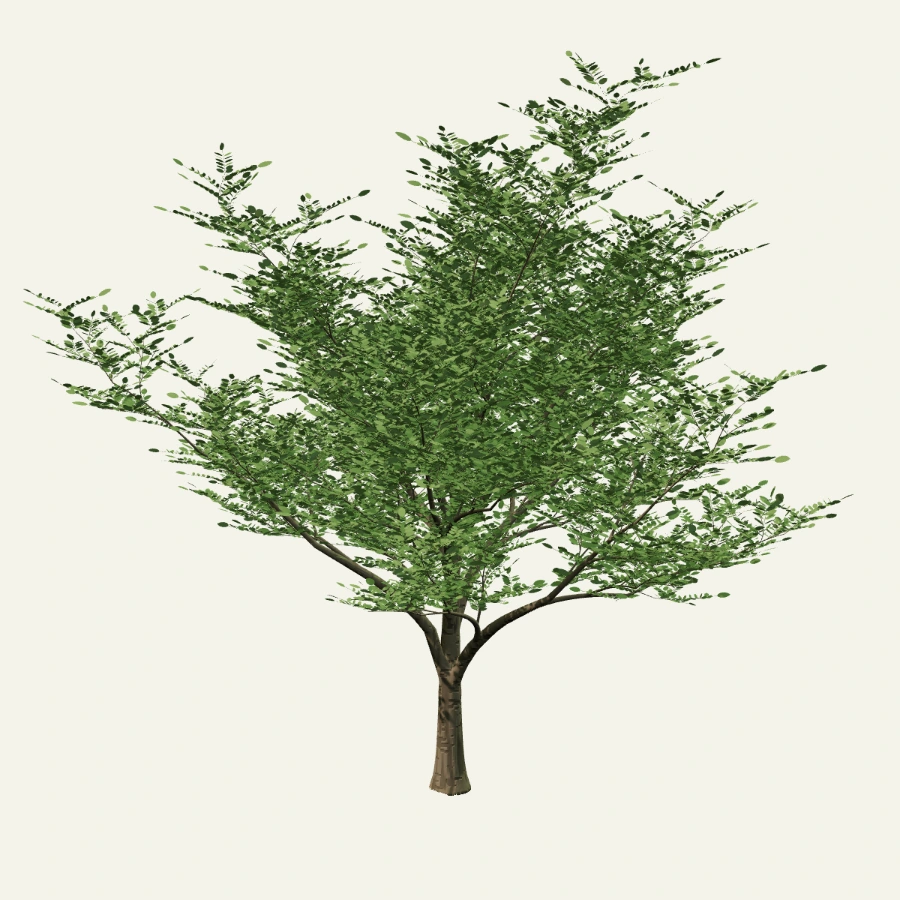
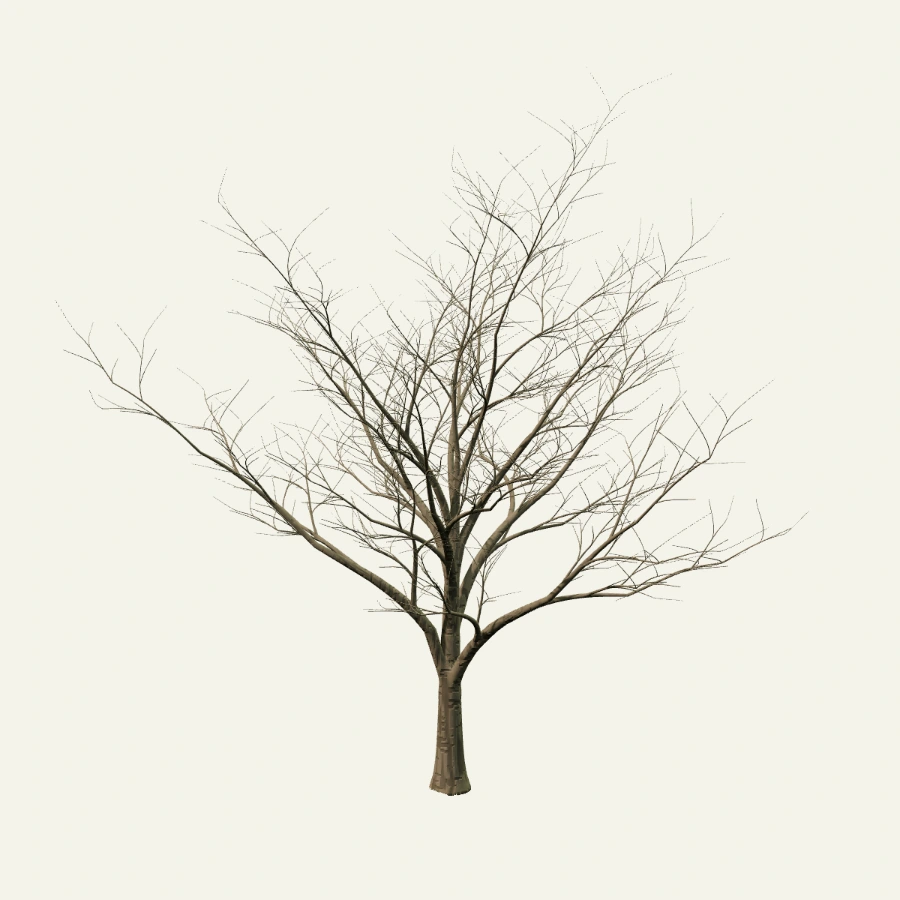
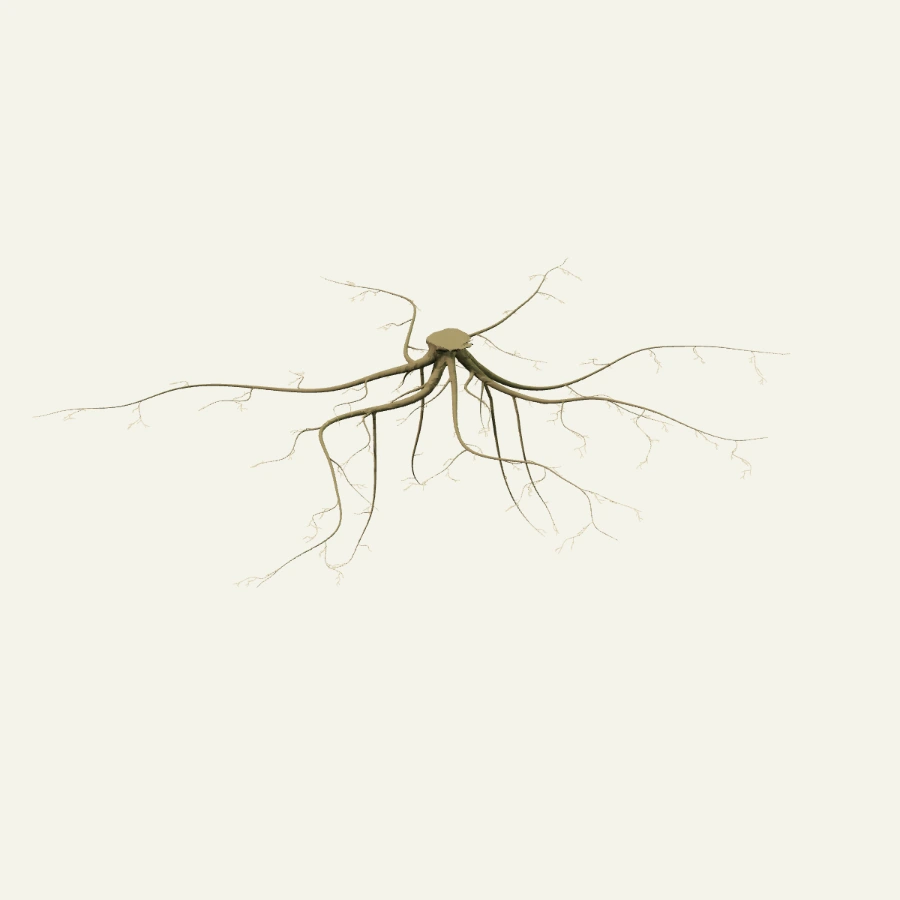
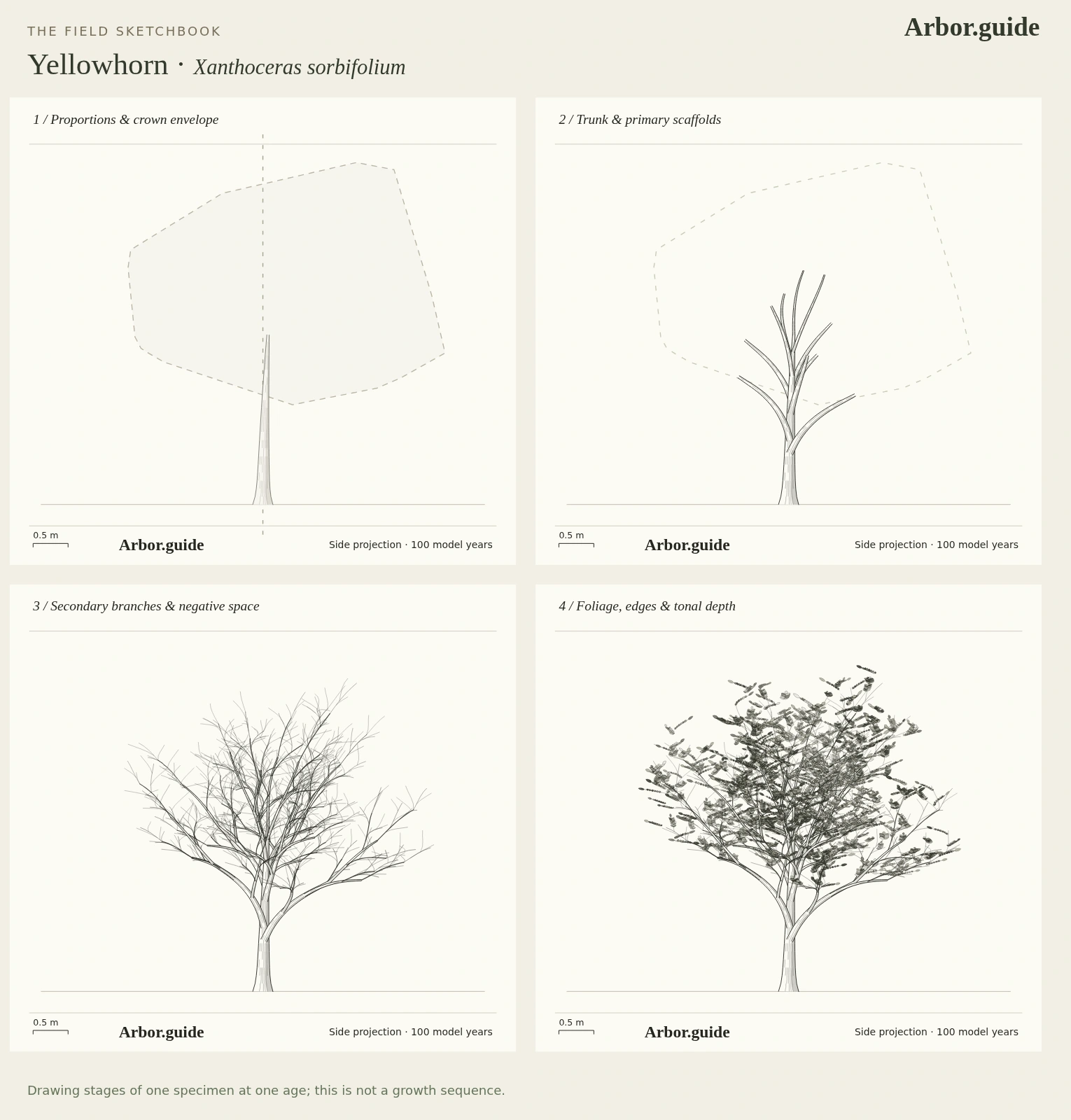
Árbol / Sapindaceae
La planta, en detalle
Condiciones registradas: Pleno sol (6 o más horas de sol directo al día); Buen drenaje · Suelo ocasionalmente seco.
- Altura de referencia
- 2,4–7,6 m
- Tipo de follaje
- Caducifolia
- Zonas USDA
- 4–7
- Luz
- Pleno sol
Intervalo hortícola de referencia en metros. Los cultivares y las condiciones varían; no es el máximo de la especie.
Copa
Vase corona de referencia. Las proporciones están guiadas por el rango de tamaño del paisaje citado.
Ramificación
Inserción de follaje alternativa; colocación de andamios.
Corteza
El color varía con la edad del tallo; textura descrita en la fuente.
Raíces
Un marco raíz esquemático que se extiende. La fuente seleccionada no cuantifica la profundidad o el radio de la raíz.
02 / Estaciones
A lo largo de las estaciones
Cuatro retratos. Una planta.
Observe juntos la copa, el follaje y las estructuras reproductivas. Las cuatro vistas comparan aspectos estacionales; las notas indican qué está documentado.
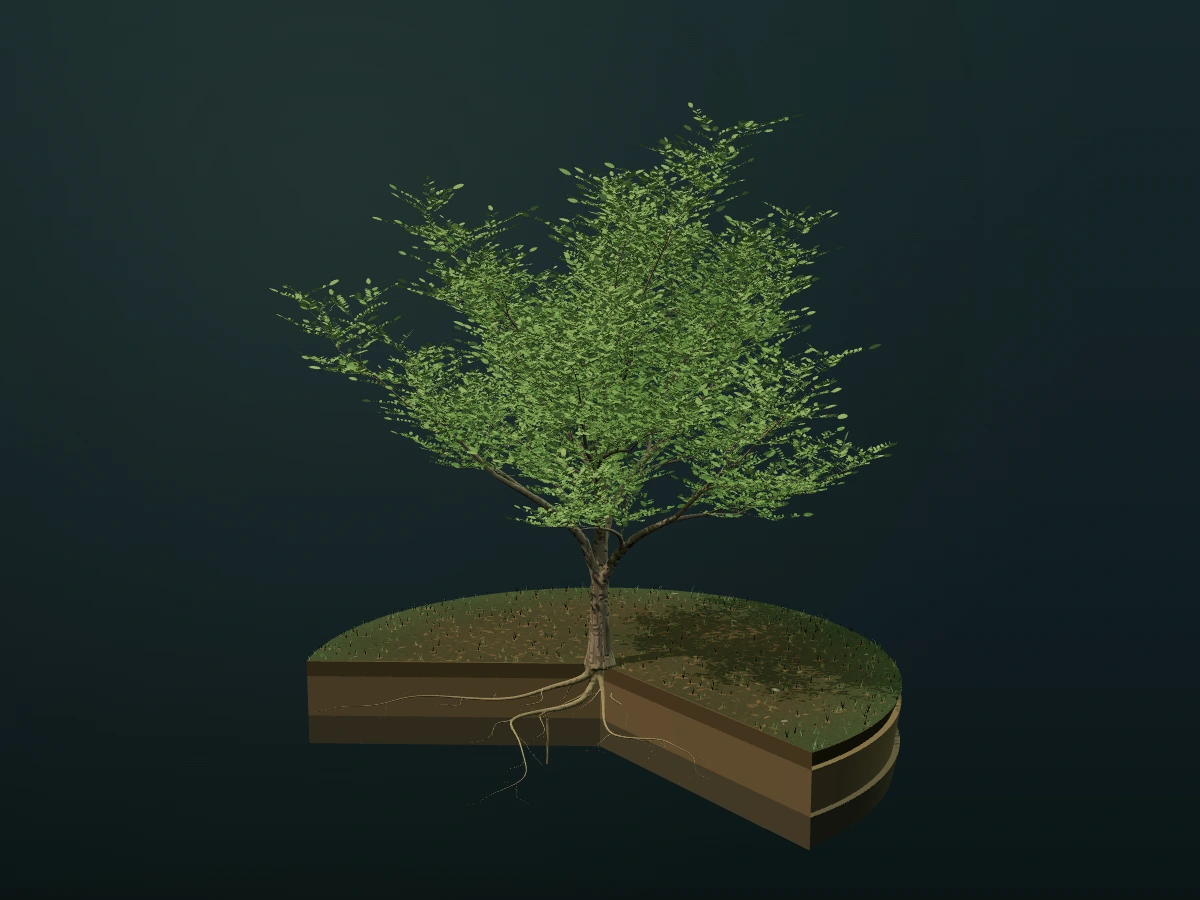
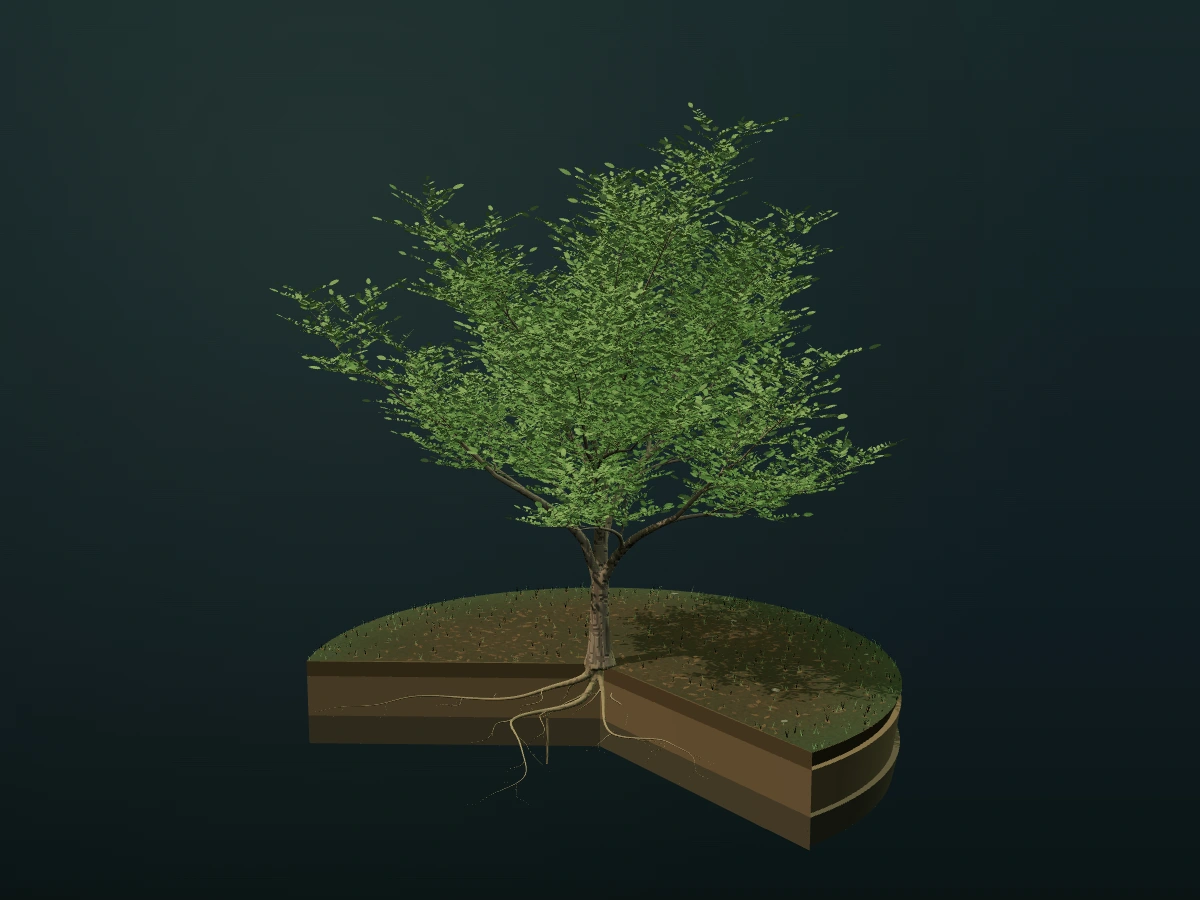
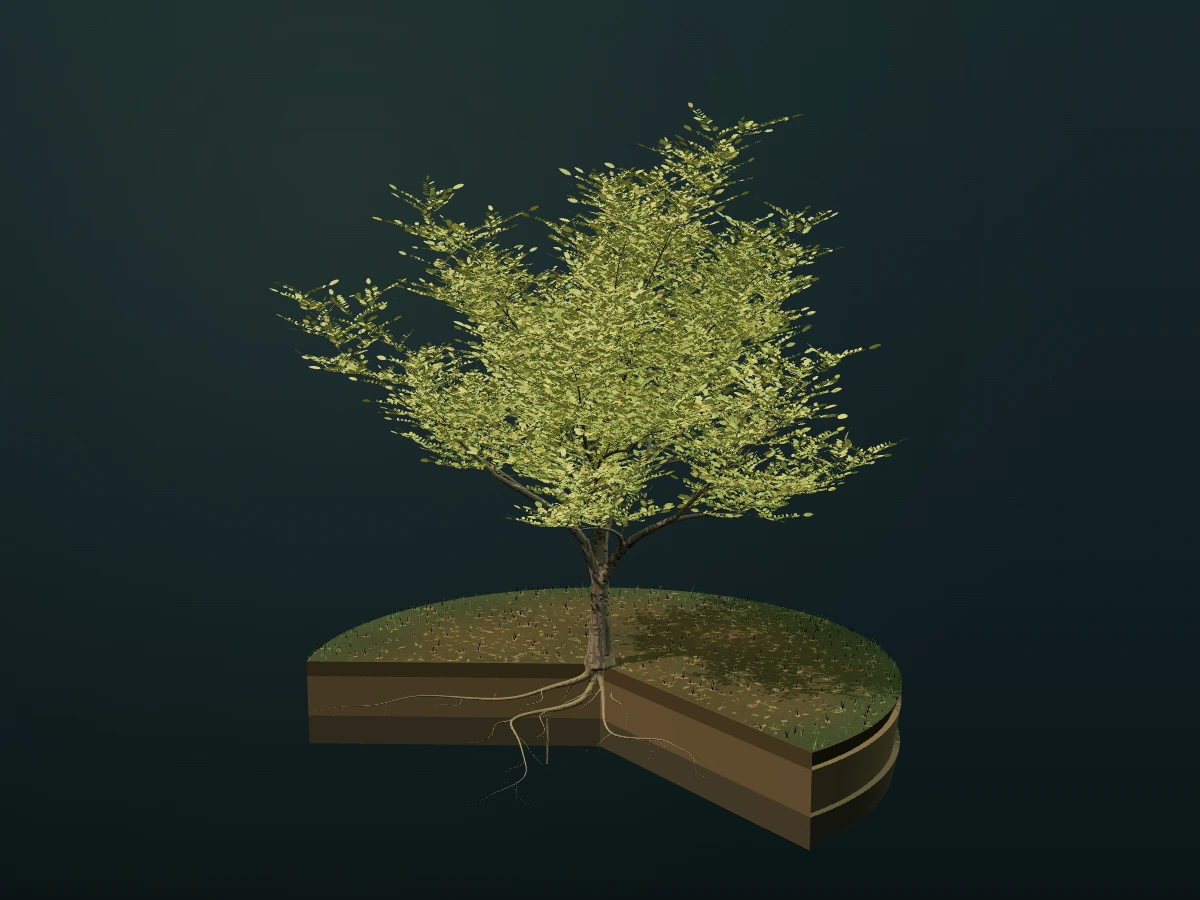
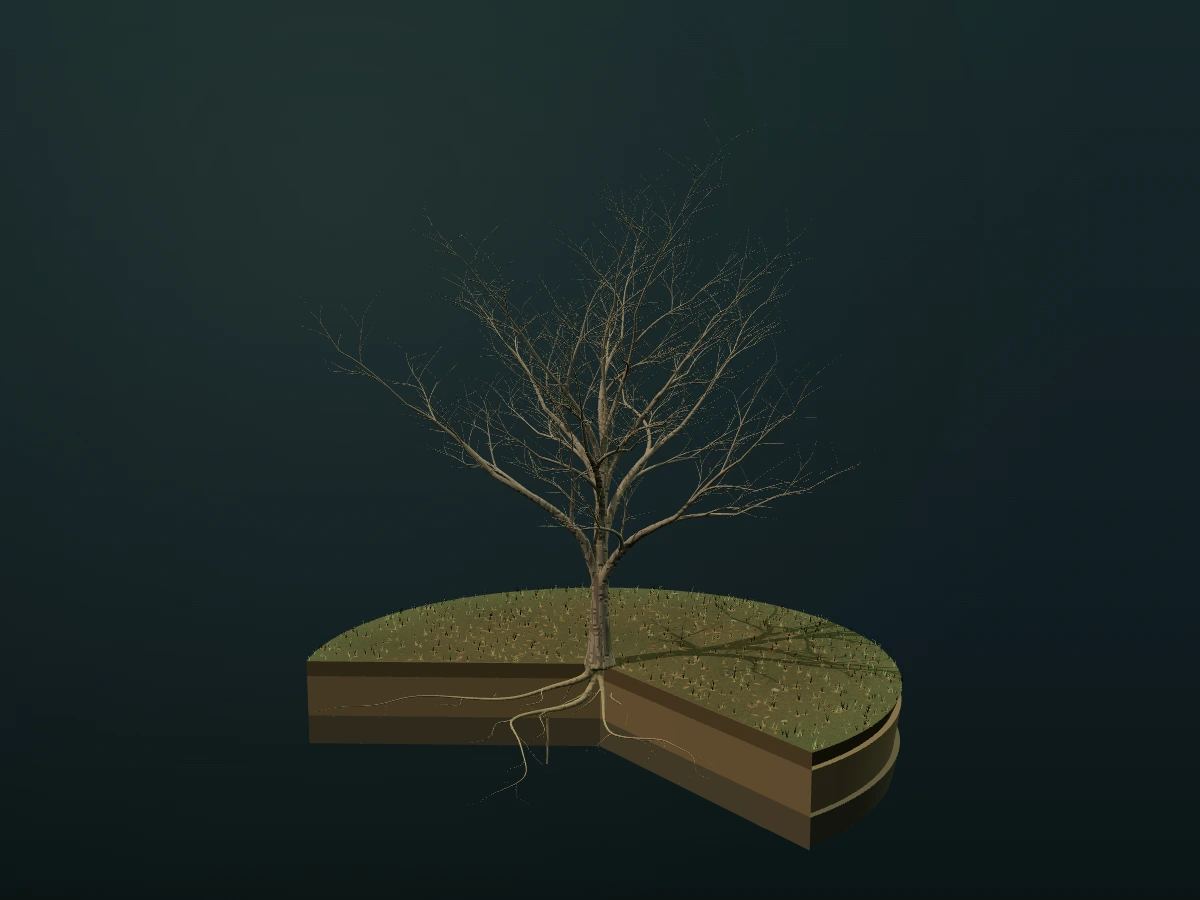
Ilustración estacional: la misma planta, edad y cámara en las cuatro vistas.
Registro estacional
Descripción botánica de Carolina del Norte
- Floración
- Primavera[1]
- Fructificación / dispersión
- Época no documentada
Renovación foliar
Caduco[1]
La ficha describe una planta caduca: el follaje se renueva tras una fase sin hojas o con pocas hojas. Las vistas ilustran ese ciclo sin fijar fechas para un lugar de cultivo.
Notas sobre el color
Dorado / amarillo[1]
Son colores posibles descritos en las fuentes. Los tonos y su distribución son ilustrativos; el aspecto puede variar en un otoño concreto.
Cómo interpretar estas vistas
Los nombres de las estaciones organizan las cuatro vistas, no un calendario universal. Hemisferio, clima local, cultivar y manejo pueden cambiar las fechas; solo se muestran meses registrados explícitamente.
Las vistas destacan la estructura de la copa. Yemas, flores pequeñas, hojas persistentes individuales y cambios reproductivos finos pueden no resolverse; la edad y el número de frutos no pronostican producción.
Esta ficha no configura una representación separada de frutos en la planta.
Fuentes estacionales
- NC State Extension · Xanthoceras sorbifolium ↗plants.ces.ncsu.edu
03 / Hojas y flores
Los órganos, de cerca
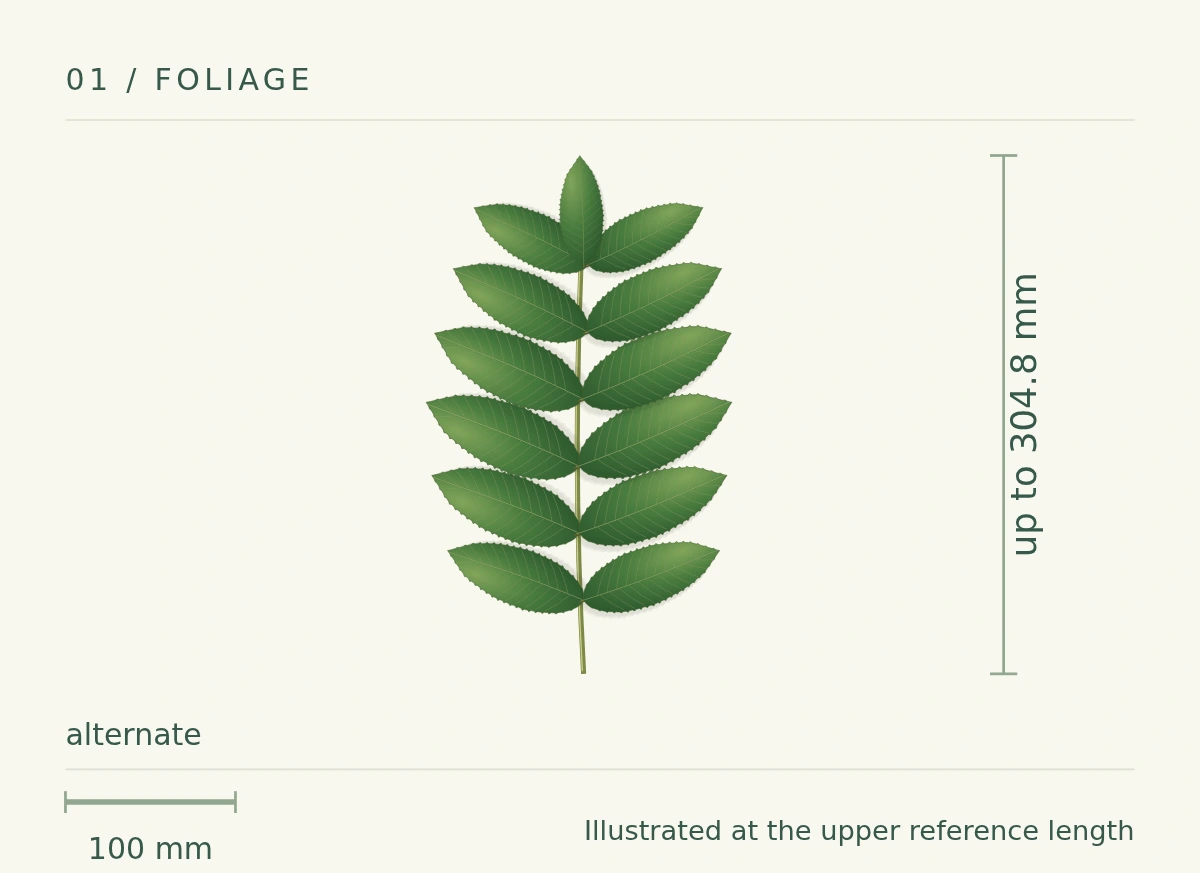
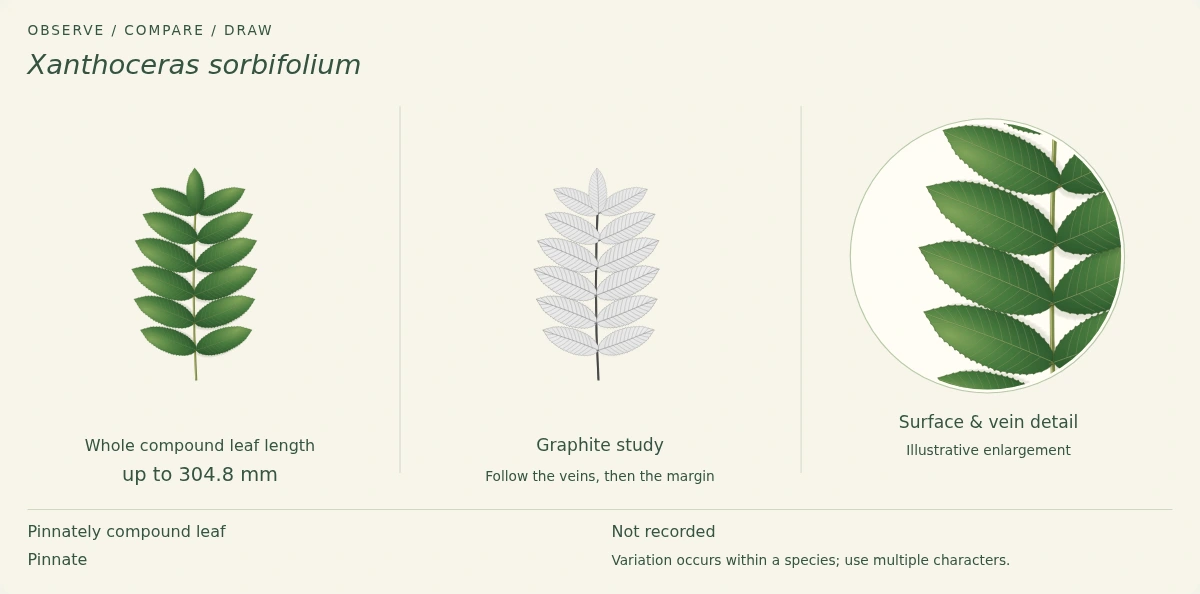
Hojas
- Longitud de la hoja del compuesto entero
- ≤ 304,8 mmNotas de las fuentes
Las hojas pinnadas contienen de nueve a diecisiete panecillos dentados.
Hoja pinnaticompuesta · Sin datos · Pinnato · Alterna
Notas estacionales
Se trata de una paleta representativa de colores reportados, sin un calendario fijo de temporada.
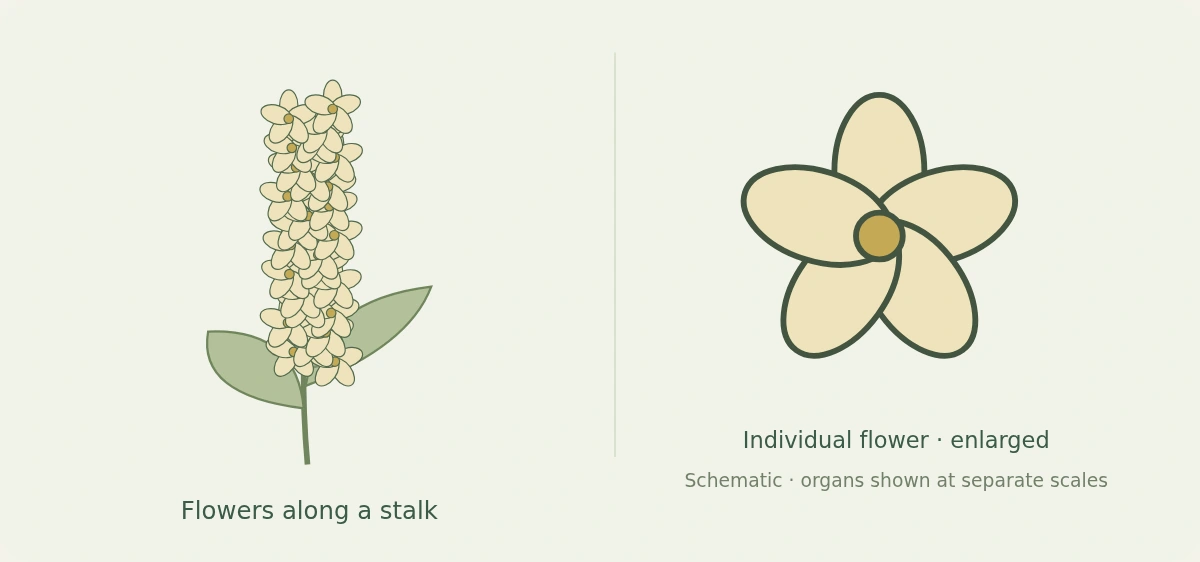
- Floración de referencia
- Primavera
04 / Frutos y semillas
Estructuras identificadas, escalas independientes
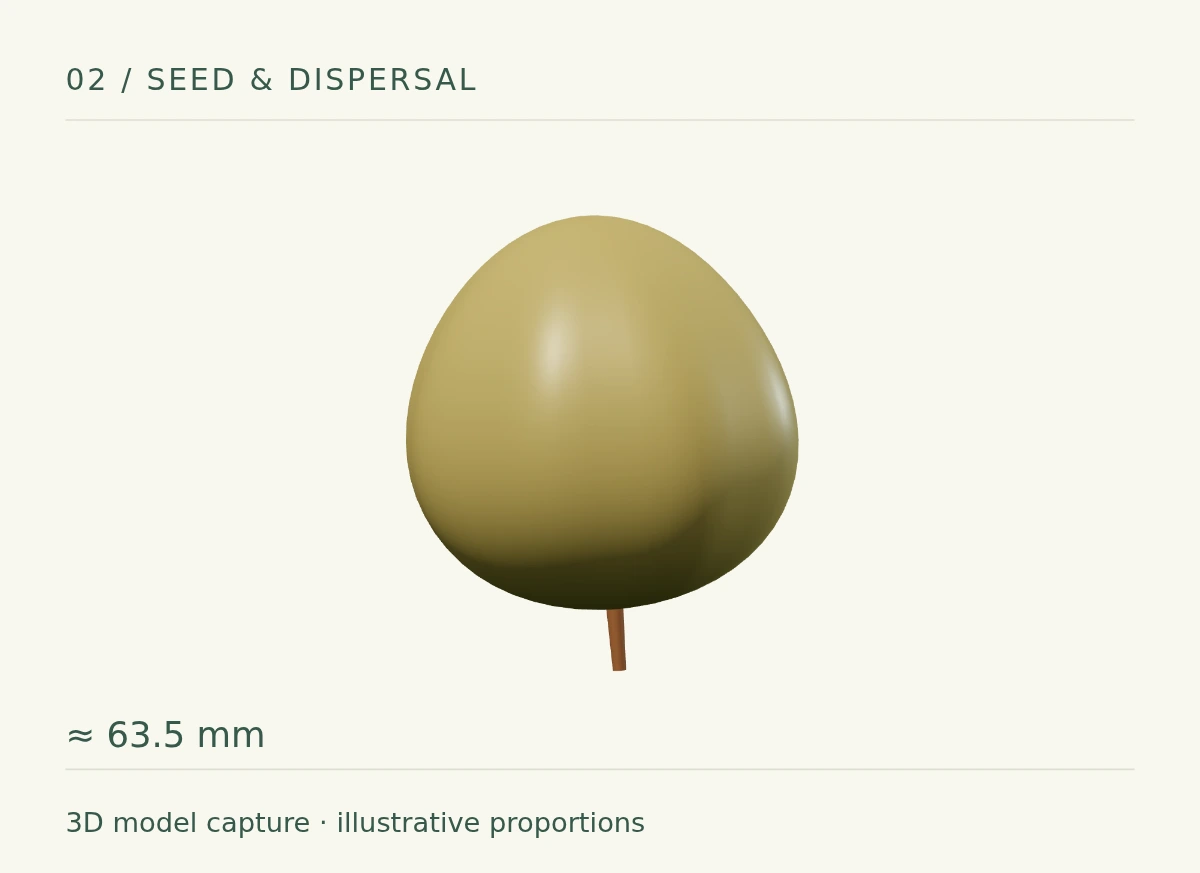
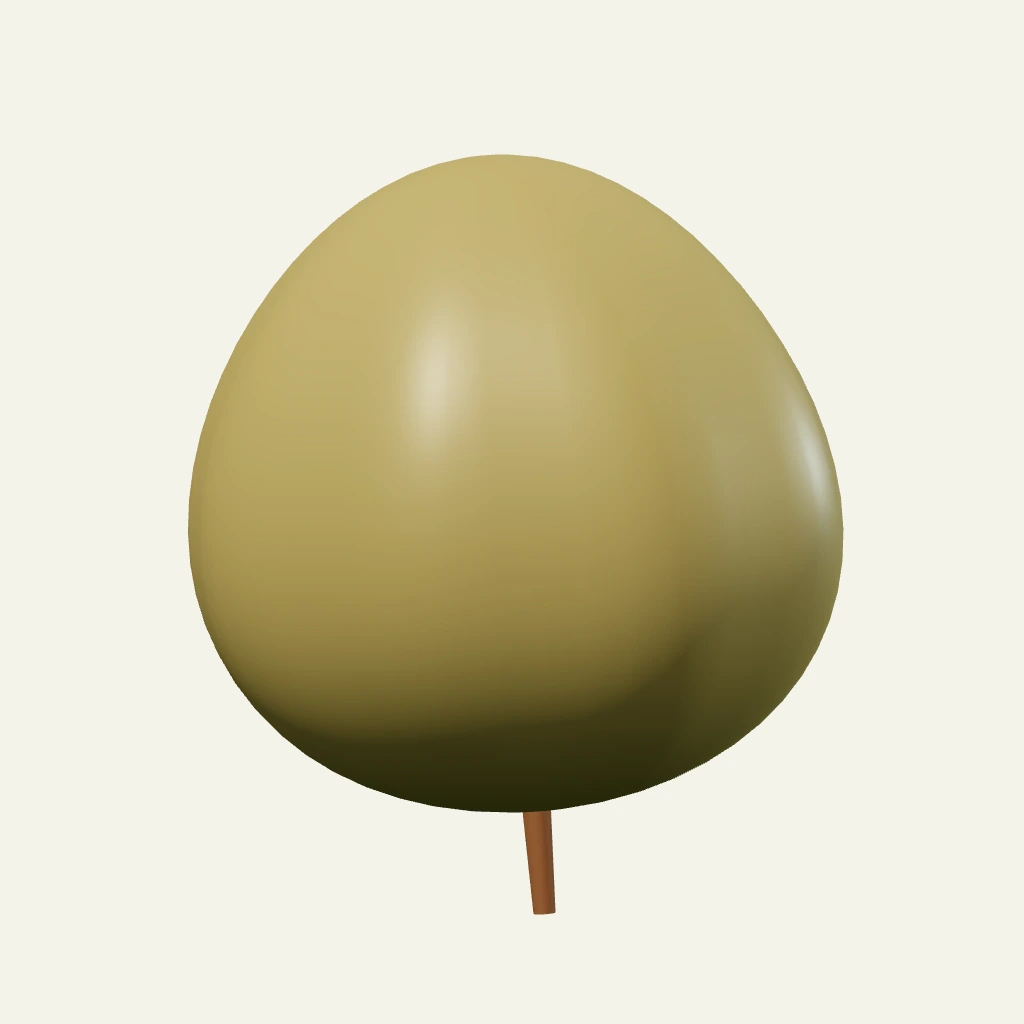
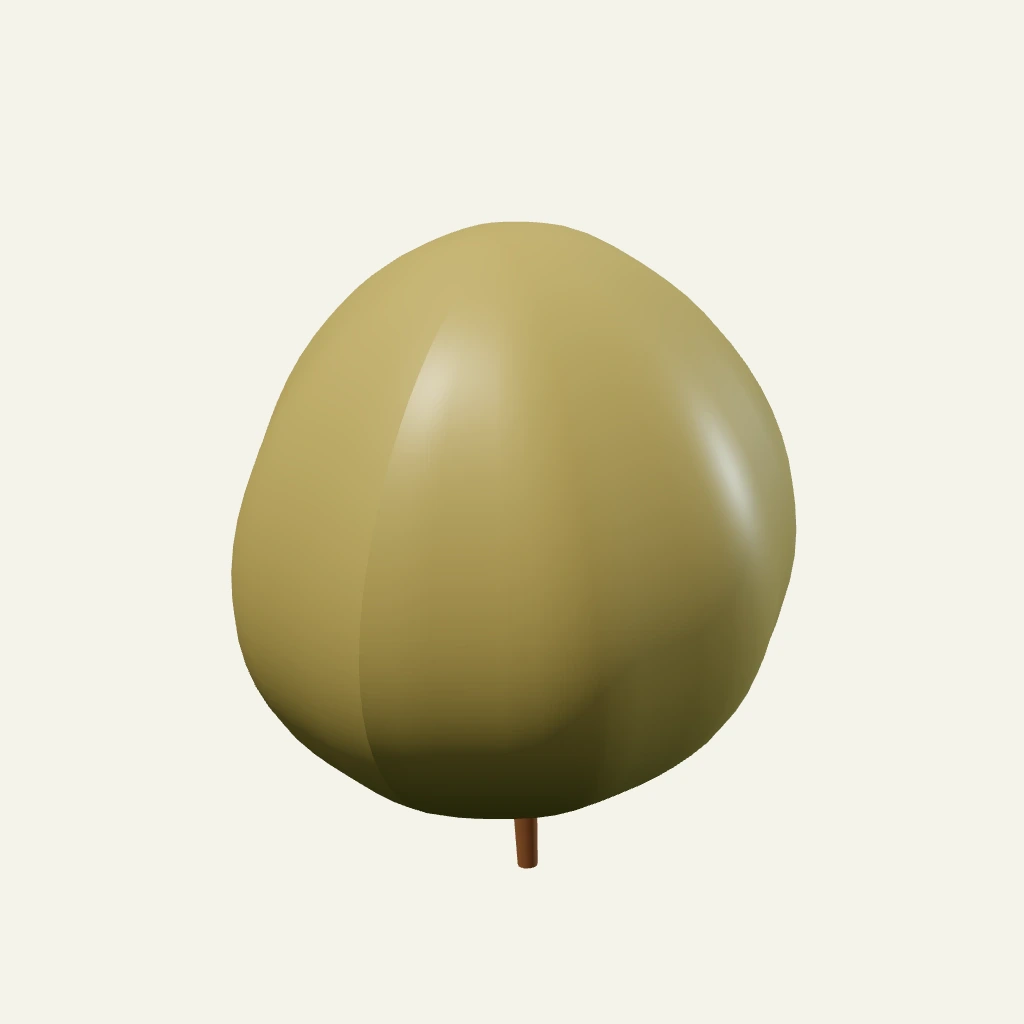
Fruto / unidad de dispersión
- Longitud entera de la cápsula
- ≈ 63,5 mmNotas de las fuentes
Cápsulas grandes redondeadas abiertas para exponer varias semillas oscuras. El dibujo muestra la unidad reproductora; las dimensiones de la semilla cerrada están separadas.
- Fructificación de referencia
- No documentado
North Carolina botanical account
Los órganos se amplían de forma independiente. Consulta la medida indicada, no el tamaño de la imagen.
05 / Hábitat
Área nativa y contexto de crecimiento
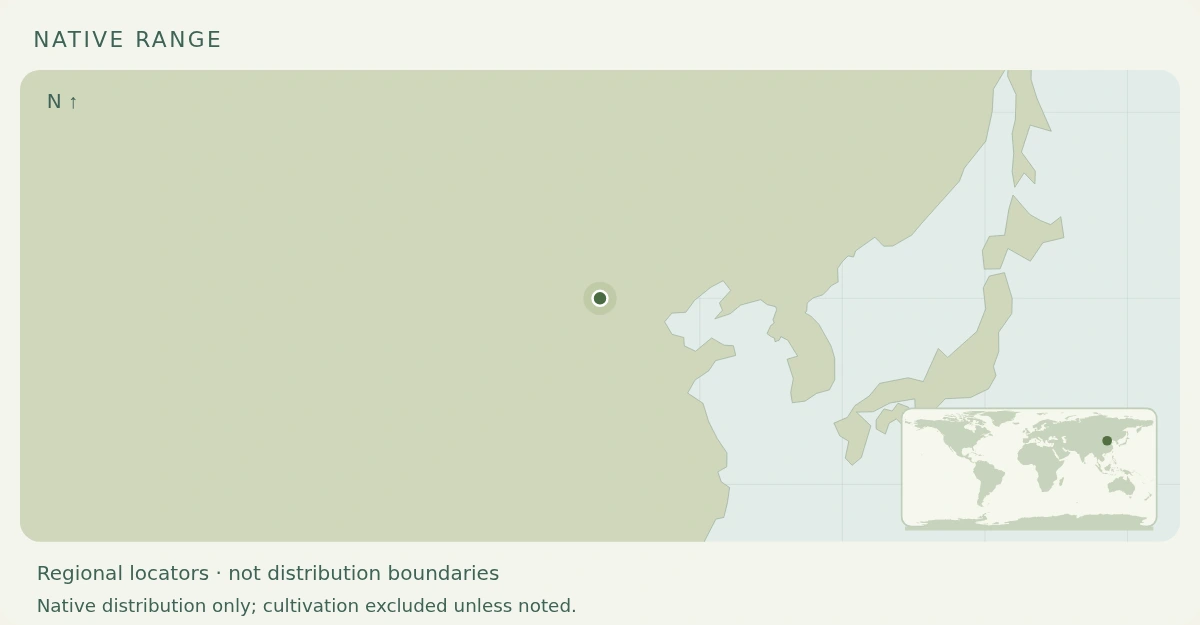
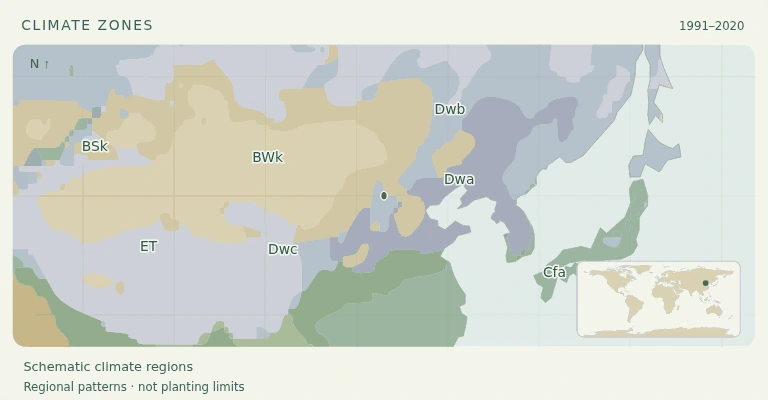
Área nativa y contexto de crecimiento
Norte de China
- Extensión de referencia
- 3–7,6 m
- Humedad
- suelo drenado · suelo seco
- Ritmo de crecimiento
- Lenta
- Longevidad
- Esta referencia no establece una vida útil numérica. La edad del modelo es un parámetro de ilustración.
Contexto regional; no es un mapa de presencia medida ni de idoneidad.
06 / Fuentes e interpretación
Consulta las fuentes de la ilustración
Nombres y clasificación
- Familia
- Sapindaceae
- Género
- Xanthoceras
- Sinónimos
- —
- Las hojas pinnadas contienen de nueve a diecisiete panecillos dentados.
- Cápsulas grandes redondeadas abiertas para exponer varias semillas oscuras.
- Métodos de propagación documentados: Semilla.
Las proporciones de la corona siguen la altura del paisaje citado y los rangos de propagación; las posiciones de la rama, edades, extensiones de raíz y colores son ilustrativas. Foliage se agranda. No es un espécimen estudiado ni un pronóstico de crecimiento calibrado.
Las proporciones de la corona siguen la altura del paisaje citado y los rangos de propagación; las posiciones de la rama, edades, extensiones de raíz y colores son ilustrativas. Foliage se agranda. No es un espécimen estudiado ni un pronóstico de crecimiento calibrado.
- NC State Extension · Xanthoceras sorbifolium ↗plants.ces.ncsu.edu
- NCBI taxonomy · Xanthoceras sorbifolium ↗www.ncbi.nlm.nih.gov
Datos de la planta y referencias · 14
| Heightm | [2.4384, 7.62]Species-level reference. Cultivation, provenance and individual variation apply. The GBIF string match incorrectly returned a Poaceae homonym with a different authorship. It is rejected. NC State and NCBI place yellowhorn in Sapindaceae, Sapindales.plants.ces.ncsu.edu |
|---|---|
| Spreadm | [3.048, 7.62]Species-level reference. Cultivation, provenance and individual variation apply. The GBIF string match incorrectly returned a Poaceae homonym with a different authorship. It is rejected. NC State and NCBI place yellowhorn in Sapindaceae, Sapindales.plants.ces.ncsu.edu |
| Nativerange | Northern ChinaSpecies-level reference. Cultivation, provenance and individual variation apply. The GBIF string match incorrectly returned a Poaceae homonym with a different authorship. It is rejected. NC State and NCBI place yellowhorn in Sapindaceae, Sapindales.plants.ces.ncsu.edu |
| Leafhabitcategory | DeciduousSpecies-level reference. Cultivation, provenance and individual variation apply. The GBIF string match incorrectly returned a Poaceae homonym with a different authorship. It is rejected. NC State and NCBI place yellowhorn in Sapindaceae, Sapindales.plants.ces.ncsu.edu |
| Botany organs leaf lengthmm | [null, 304.8]Species-level reference. Cultivation, provenance and individual variation apply. The GBIF string match incorrectly returned a Poaceae homonym with a different authorship. It is rejected. NC State and NCBI place yellowhorn in Sapindaceae, Sapindales.plants.ces.ncsu.edu |
| Botany organs seed lengthmm | [63.5, 63.5]Species-level reference. Cultivation, provenance and individual variation apply. The GBIF string match incorrectly returned a Poaceae homonym with a different authorship. It is rejected. NC State and NCBI place yellowhorn in Sapindaceae, Sapindales.plants.ces.ncsu.edu |
| Botany shoot arrangementcategory | alternateSpecies-level reference. Cultivation, provenance and individual variation apply. The GBIF string match incorrectly returned a Poaceae homonym with a different authorship. It is rejected. NC State and NCBI place yellowhorn in Sapindaceae, Sapindales.plants.ces.ncsu.edu |
| Architecture leaves | Pinnate leaves contain nine to seventeen toothed leaflets.Species-level reference. Cultivation, provenance and individual variation apply. The GBIF string match incorrectly returned a Poaceae homonym with a different authorship. It is rejected. NC State and NCBI place yellowhorn in Sapindaceae, Sapindales.plants.ces.ncsu.edu |
| Architecture reproduction | Large rounded capsules open to expose several dark seeds.Species-level reference. Cultivation, provenance and individual variation apply. The GBIF string match incorrectly returned a Poaceae homonym with a different authorship. It is rejected. NC State and NCBI place yellowhorn in Sapindaceae, Sapindales.plants.ces.ncsu.edu |
| Lightcategory | ["sun"]Species-level reference. Cultivation, provenance and individual variation apply. The GBIF string match incorrectly returned a Poaceae homonym with a different authorship. It is rejected. NC State and NCBI place yellowhorn in Sapindaceae, Sapindales.plants.ces.ncsu.edu |
| Moisturecategory | ["drained", "dry"]Species-level reference. Cultivation, provenance and individual variation apply. The GBIF string match incorrectly returned a Poaceae homonym with a different authorship. It is rejected. NC State and NCBI place yellowhorn in Sapindaceae, Sapindales.plants.ces.ncsu.edu |
| Hardinesscategory | {"system": "USDA", "zones": [4, 7], "source": "ncsu"}Species-level reference. Cultivation, provenance and individual variation apply. The GBIF string match incorrectly returned a Poaceae homonym with a different authorship. It is rejected. NC State and NCBI place yellowhorn in Sapindaceae, Sapindales.plants.ces.ncsu.edu |
| Taxonomy familycategory | SapindaceaeSpecies-level reference. Cultivation, provenance and individual variation apply. The GBIF string match incorrectly returned a Poaceae homonym with a different authorship. It is rejected. NC State and NCBI place yellowhorn in Sapindaceae, Sapindales.www.ncbi.nlm.nih.gov |
| Reference phenologycategory | {"flowering": {"seasons": ["spring"]}, "fruiting": {"seasons": []}, "reference": "North Carolina botanical account", "source": "https://plants.ces.ncsu.edu/plants/xanthoceras-sorbifolium/", "reviewed": "2026-10-16"}Regional observations. Fruit display may include persistence and is not automatically ripening. Missing dates remain unspecified. Independent botanical review remains pending.plants.ces.ncsu.edu |